
Key Highlights
Here are the key takeaways for your 3-year-old’s sleep:
- Age-appropriate bedtimes are important for supporting your child’s health and development.
- Three-year-olds need about 10-13 hours of total sleep, including naps.
- A systematic review and expert guidelines, such as those from the American Academy of Pediatrics, recommend 10 to 13 hours of sleep for children aged 3 to 5 years.
- Getting enough sleep is essential for your child’s health, including boosting immune function and supporting overall well-being.
- A consistent sleep routine is essential for better sleep and a happy child.
- The ideal bedtime depends on whether your child still naps during the day.
- Look for signs of tiredness like moodiness or hyperactivity to know if they need more rest.
- The recommended hours of sleep will change as your child gets older.
- Sudden sleep issues could be a sign of sleep regression due to developmental changes.
Introduction
Figuring out the ideal bedtime for your 3-year-old can feel like a puzzle. Is 7 p.m. too early? Is 8 p.m. too late? Setting an age-appropriate bedtime is crucial for supporting your child’s health, as good sleep habits boost their immune system and reduce the risk of illness. Establishing healthy sleep patterns now with consistent routines will set them up for success. This guide will help you understand your child’s sleep needs and create a bedtime schedule that works for your whole family, ensuring everyone gets a good night’s rest based on expert guidelines and evidence.
There’s a ton to explore on Feral Toddler
Click below to find the hub you need, whether you’re dealing with toddler play, sleep, meals, or tantrums.
Understanding Sleep Needs for 3 Year Olds
Your 3-year-old is a bundle of energy, and all that running, playing, and learning requires a lot of rest to recharge. Understanding your preschooler’s specific sleep needs is the first step toward building a healthy routine. When considering how much sleep a 3-year-old needs, most experts recommend 10 to 13 hours in a 24-hour period. The right amount of sleep helps with everything from their mood to their ability to learn new things.
The total hours of total sleep a child needs can vary, but there are general guidelines for sleep duration that can help you. Establishing an age-appropriate sleep routine is important to meet your child’s developmental needs and promote healthy sleep habits. We will explore how many hours your child should be sleeping, what to do if they aren’t getting enough rest, and how sleep needs change over the years. These sleep duration guidelines are based on a systematic review of research, ensuring recommendations are supported by comprehensive evidence.
If your child suddenly starts fighting bedtime, the behavior may mirror what happens during the 3 year old sleep regression, which often disrupts even well established routines.
How Many Hours of Sleep Does a 3 Year Old Need?
The American Academy of Pediatrics recommends that children aged 3 to 5 get between 10 and 13 hours of sleep in a 24-hour period. This is how much sleep is considered optimal for healthy growth and development at this age, and it includes both nighttime sleep and any naps during the day. These are age appropriate bedtimes based on expert recommendations.
You might notice your child needs a little more or less sleep than the average amount. The best way to know if they are getting enough hours of sleep is to observe their mood and energy levels during the day. A well-rested child is generally happy and alert, while a tired one might be grumpy or hyperactive.
As children grow, their sleep needs change. For instance, you may wonder, “How many hours of sleep does a 12 year old need each night?” Experts recommend that pre-teens get 9 to 12 hours of sleep, which is slightly less than a preschooler but still vital for their development.
Comparing Bedtimes by Age: 3, 4, 5, and 6 Year Olds
A child’s sleep needs evolve quickly during the preschool and early school years. What works for a 3-year-old might not be right for a 5-year-old, so it’s important to set an appropriate bedtime based on your child’s age and sleep requirements. As they grow, their nap schedules change, which directly impacts their bedtime. An official government organization, the Centers for Disease Control and Prevention (CDC), supports pediatric guidelines on sleep duration. Other factors, such as individual needs, family routines, and developmental changes, can also influence the best bedtime for your child.
Here is a general look at how sleep needs change across these age groups:
| Age | Recommended Total Sleep (in 24 hours) |
|---|---|
| 3-Year-Old | 10-13 hours |
| 4-Year-Old | 10-13 hours |
| 5-Year-Old | 10-13 hours |
| 6-Year-Old (school aged) | 9-12 hours |
Maintaining a regular sleep schedule is important for all age groups, even as they get older. For school aged children, such as 6-year-olds, setting an appropriate bedtime and keeping it consistent is key to supporting healthy sleep habits. While you might wonder if bedtime for a 12-year-old can change on weekends, experts advise keeping bedtimes consistent. Sticking to a schedule helps regulate their internal clock, making it easier to fall asleep and wake up, whether they’re three or twelve.

Signs Your Child Isn’t Getting Enough Sleep
Sometimes it’s hard to tell if your child is getting enough sleep, especially since a tired toddler can often look hyperactive instead of drowsy. Insufficient sleep can lead to various sleep problems and impact their energy levels and even their mental health. Paying attention to their behavior is key.
Are you worried your preschooler isn’t getting adequate rest? Monitoring your child’s sleep is important to ensure they are getting the quality and quantity of rest needed for healthy development. Here are a few common signs that your child might need more sleep:
- Increased crankiness, moodiness, or frequent meltdowns
- Hyperactivity in the evenings
- Falling asleep on short car rides or during meals
- Difficulty waking up in the morning
These signs are surprisingly consistent across different ages. The same indicators that a 3-year-old isn’t getting enough rest, such as moodiness and difficulty concentrating, also apply to a 12-year-old. If you notice these behaviors, it might be time to adjust their bedtime or routine.
Good sleep reduces irritability and hyperactivity in children.
On nights with repeated stalling or leaving the room, reinforce boundaries using the simple strategies from how to keep toddler in bed.
Choosing the Ideal Bedtime for 3 Year Olds
Now that you understand your child’s sleep needs, it’s time to figure out the perfect, age-appropriate bedtime. The goal is to find a time that allows them to get enough night sleep so they wake up refreshed. Choosing an age appropriate bedtime is key to building a consistent 3-year sleep schedule around a predictable bedtime.
Establishing age appropriate bedtimes helps ensure a good night’s sleep for your child. An effective bedtime routine is your best tool for making this happen. A calming set of activities before bed signals to your child that it’s time to wind down. In the following sections, we’ll explore specific bedtime recommendations and discuss how to handle common challenges.
What Time Should a 3 Year Old Go to Bed?
The ideal appropriate bedtime for a 3-year-old largely depends on whether they still nap. For a child who has dropped their nap, an earlier bedtime between 6:30 p.m. and 7:30 p.m. is often necessary to ensure they get sufficient sleep overnight. This helps prevent them from becoming overtired, which can make it harder to fall asleep.
If your 3-year-old still takes a solid afternoon nap, a later bedtime between 8:00 p.m. and 9:00 p.m. might work well. Age appropriate bedtimes should align with your child’s circadian rhythm and nap schedule, allowing enough awake time after their nap so they are ready for sleep again. The key is to establish a regular bedtime that matches their sleep patterns and provides enough rest.
Just like with preschoolers, older children have recommended bedtimes. For example, a 12-year-old who needs about 9-10 hours of sleep and wakes up at 7 a.m. for school should ideally be in bed between 9 p.m. and 10 p.m. The principle of a regular bedtime remains the same, even as the exact time shifts.
Bedtime for 4 Year Old vs. 3 Year Old: What’s Different?
The biggest difference between a 3-year-old’s and a 4-year-old’s bedtime often comes down to one thing: naps. Many 3-year-olds still rely on an afternoon nap, while a significant number of 4-year-olds are transitioning away from daytime sleep. This is a major developmental milestone that changes a child’s sleep needs, making it important to set an age-appropriate bedtime as children grow.
When a child stops napping, their regular bedtime needs to shift earlier. Without a nap to break up the day, older children get tired sooner in the evening. A 4-year-old who doesn’t nap might be ready for bed as early as 6:30 p.m., while a 3-year-old who napped for an hour might not be sleepy until 8:00 p.m. Other factors, such as individual temperament and family routines, can also affect what bedtime works best for your child.
The need for adequate sleep remains critical for school readiness and performance at any age. Just as a lack of sleep can make a preschooler moody, inadequate sleep can seriously affect a 12-year-old’s performance at school, leading to trouble concentrating, irritability, and poor academic results.

Is 8pm Too Late for a 3 Year Old?
Whether 8 p.m. is too late for a 3-year-old really depends on their daily schedule and what is considered an appropriate bedtime for their age. If your child takes a good, long nap in the afternoon, an 8 p.m. bedtime could be perfectly fine. They will have had enough awake time to build up sleep pressure again.
When considering age appropriate bedtimes, it’s important to factor in whether your 3-year-old still naps and their individual sleep needs. If your 3-year-old has stopped napping or only takes a very short nap, 8 p.m. is likely too late. A late bedtime for a non-napping child can lead to overtiredness, disrupt their natural circadian rhythm, and cause night wakings or early morning rising. A good sign of enough sleep is waking up naturally without an alarm clock.
Resistance to bedtime is normal at this age as they test boundaries. It’s also normal for older kids to push back. It is very common for a 12-year-old to resist going to bed, as they seek more independence, making a consistent routine all the more important.
Building a Consistent Sleep Routine
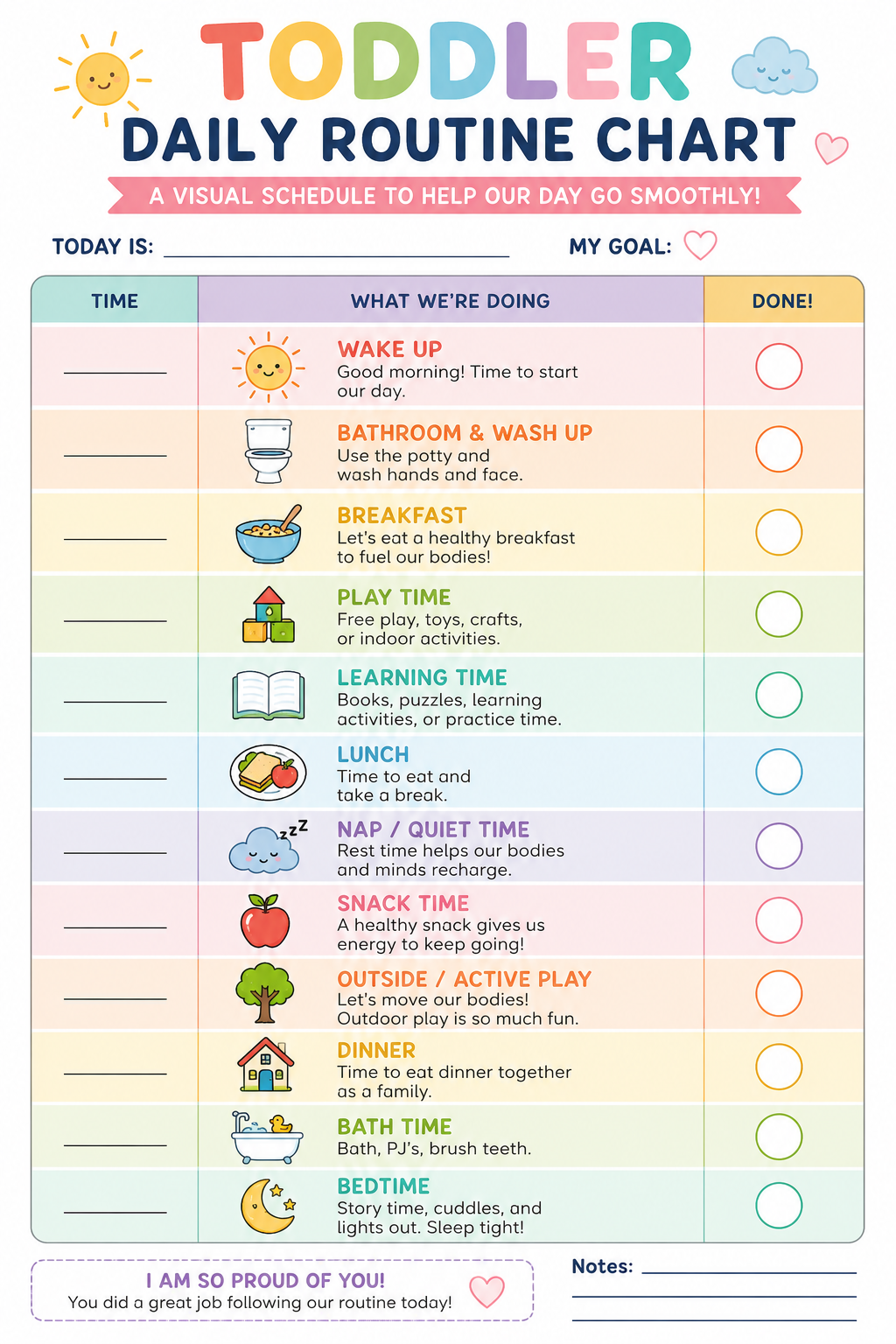
One of the most powerful tools you have for ensuring a good night’s sleep is a consistent bedtime routine. The benefits of a bedtime routine go beyond just getting your child into bed; it provides security, predictability, and a chance to connect at the end of the day. A regular sleep schedule is the foundation of healthy sleep.
Creating this routine doesn’t have to be complicated. Simple, calming activities can provide the sleep support your child needs to wind down. Let’s look at how you can set up a calming ritual and find tips to make the entire process easier.
Setting Up a Calming Bedtime Ritual
A calming bedtime ritual helps signal to your child’s brain and body that it’s time for sleep. The key is to choose activities that are relaxing and to follow the same steps in the same order every night. These consistent routines create a sense of safety and predictability, leading to better sleep.
This period of quiet time should be screen-free and focused on winding down. Try incorporating a few of these simple activities into your routine:
- A warm bath
- Brushing teeth and putting on pajamas
- Reading a few books together
- Singing a lullaby or talking quietly about the day
This concept works for all ages. An effective bedtime routine for a 12-year-old might include reading a chapter of a book, listening to calm music, or journaling instead of a lullaby, but the principle of a relaxing, screen-free wind-down period remains the same. Using positive reinforcement, like praise for getting ready for bed, can also help.
Tips for Making Bedtime Easier
Even with a great bedtime routine, some nights can still be a struggle. Toddlers are known for testing limits, and bedtime is a prime time for this. Consistency is your best friend. Sticking to the plan, even when it’s tough, will pay off in the long run.
Here are a few tips to make your bedtime routine smoother:
- Turn off screens: Shut down tablets, TVs, and phones at least an hour before bed.
- Offer choices: Let your child choose their pajamas or the book you read to give them a sense of control.
- Set clear boundaries: Be firm but loving if they try to stall. Say, “It’s time for sleep now,” and stick to it.
- Stay calm: Your child feeds off your energy. A calm parent helps create a calm child.
These strategies are effective for older kids, too. Parents can help a 12-year-old stick to a regular bedtime by setting clear expectations, modeling good habits, and keeping electronics out of the bedroom at night.
Adjusting Bedtimes on Weekends and Holidays
It can be tempting to let the regular sleep schedule slide on weekends or holidays, but this can backfire. Big shifts in bedtime and wake time can throw off your child’s internal clock, leading to what feels like a mini jet lag. This disruption can cause a sleep regression, making it difficult to get back on track.
For toddlers and younger age groups, it’s best to keep bedtimes and wake times within 30-60 minutes of the weekday schedule. This consistency helps maintain the routine you’ve worked so hard to build and prevents overtiredness.
This advice holds true for older children as well. While a 12-year-old’s bedtime might shift slightly on weekends, letting them stay up hours later and sleep in can make Monday mornings miserable. A consistent schedule is beneficial for everyone, regardless of age, to keep their sleep cycle regulated.
Creating the Optimal Sleep Environment
Setting up the right sleep environment is a key part of helping your child fall asleep easily and develop healthy sleep habits. The bedroom should be a calm, inviting space that signals to your child it’s time to wind down. Start by making sure the room is dark—blackout curtains can block out early morning light or streetlights that might disrupt your child’s sleep. Keeping the room quiet is also important; a white noise machine can help mask household sounds and create a soothing background for sleep.
Comfort matters, too. A cozy mattress and supportive pillows can make a big difference in how quickly your child settles in their own bed and stays asleep through the night. The temperature should be comfortable—not too hot or too cold—to encourage deep, restful sleep.
A consistent bedtime routine is just as important as the physical environment. Simple rituals like reading a favorite book, singing a lullaby, or gentle cuddling help your child relax and signal that bedtime is approaching. Avoid screens such as TVs, tablets, or phones at least an hour before bed, as the blue light can interfere with your child’s ability to fall asleep.
By creating a sleep-friendly environment and sticking to a consistent bedtime routine, parents can support their child’s healthy sleep habits and help them get the sleep they need to grow, learn, and thrive.
Common Sleep Challenges in Preschoolers
Even with the perfect routine, you might still face sleep problems with your 3-year-old. Most children experience sleep issues such as nightmares, night terrors, sleepwalking, and sleeptalking at some point. Resistance, night wakings, and early rising are also common challenges for this age group. Insufficient sleep can contribute to these common sleep challenges. Most of the time, these are just a phase, but it’s helpful to know how to handle them when they pop up.
Understanding the “why” behind each type of sleep problem can help you find the right solution. In the next sections, we’ll explore some of the most frequent sleep challenges and offer strategies to overcome them, so everyone in the family can get more rest.
Why Do 3 Year Olds Resist Bedtime?
Bedtime resistance is one of the most common sleep problems for 3-year-olds. Your child might suddenly have a million excuses: they need another drink, one more story, or to say goodnight to every toy. This behavior often stems from a combination of factors, including a growing sense of independence and not wanting to miss out on the fun.
Sometimes, the issue is related to their sleep patterns. If they aren’t tired enough, they’ll fight sleep. On the other hand, an overtired child can be too wired to settle down. It’s a delicate balance that requires you to pay close attention to your child’s needs and sleep cues.
This resistance is a normal developmental stage. It’s also quite normal for a 12-year-old to resist going to bed as they push for more autonomy. For both ages, the solution involves empathy, clear boundaries, and a consistent routine.
Night Wakings and Early Morning Rising
Waking up in the middle of the night or rising before the sun can be exhausting for both you and your child. These disruptions in night sleep can be caused by many things. Often, being overtired at bedtime is the culprit. When a child is too tired, their body produces stress hormones that can cause them to wake up overnight.
Other causes include the nap transition, developmental leaps, or even nightmares. Ensuring good quality of sleep starts with having the right daytime schedule. If naps are too long or too late, it can interfere with night sleep. Providing consistent sleep support and a comforting response when they wake can help them get back to sleep.
Poor sleep impacts everyone’s next day. A 3-year-old who wakes up all night will be cranky, and similarly, inadequate sleep significantly affects a 12-year-old’s mood and performance at school, making them irritable and unable to focus.
When Should Bedtime Change as Kids Get Older? (Bedtime for 5 Year Old & Bedtime for 6 Year Old)
As your child grows, their bedtime will naturally shift. Some children need more or less sleep than others, so it’s important to observe your child’s individual needs. A bedtime for a 5-year-old, who has likely given up naps, will be earlier than that of a 3-year-old who still naps. By the time they are 6, most school-aged children are well-adjusted to a full day of school and can handle a slightly later regular bedtime, often between 7:30 p.m. and 8:30 p.m.
The key is to adjust the bedtime routine gradually based on their changing sleep needs. If your 5- or 6-year-old seems tired during the day or is hard to wake for school, their bedtime might be too late. Always consult your healthcare provider if you have concerns about their sleep.
Deciding when to stop setting a strict bedtime is a gradual process that happens during the teen years. There’s no magic age. It involves teaching them to manage their own sleep needs, but even a 12-year-old still benefits from parental guidance and a consistent bedtime framework.
Understanding and Managing Sleep Regression
Sleep regression can be a challenging phase for both children and parents. It’s a period when a child who previously slept well suddenly has trouble falling asleep, staying asleep, or wakes up more often during the night. This change in sleep patterns is often linked to developmental milestones, changes in routine, or even the onset of sleep disorders.
Understanding that sleep regression is a normal part of childhood can help parents approach it with patience and confidence. During these times, sticking to a consistent bedtime routine is more important than ever. Calming activities before bed, such as reading or quiet time, can help reinforce healthy sleep habits and make it easier for your child to settle down.
It’s also helpful to create a sleep-conducive environment—keep the bedroom dark, quiet, and comfortable, and avoid stimulating activities or screens before bedtime. If your child’s sleep regression persists or you notice signs of sleep disorders, don’t hesitate to reach out to your pediatrician or a sleep specialist for advice tailored to your child’s needs.
By understanding and managing sleep regression with consistent routines and a supportive environment, parents can help their child get back on track with healthy sleep habits and ensure they get the sleep they need for their well-being.
Expert Advice and Guidelines for 3 Year Old Bedtimes
When it comes to your child’s health, it’s reassuring to know what the experts recommend. Sleep is essential for a child’s health, supporting immune function and overall well-being. Leading organizations like the American Academy of Pediatrics and the American Academy of Sleep Medicine have published guidelines on sleep duration for children of all ages. These recommendations are based on a systematic review of research, consolidating evidence from multiple studies.
These expert guidelines can help you feel confident that you are meeting your child’s sleep needs. Let’s take a closer look at what the pediatric sleep recommendations are and how you can best support your child’s healthy sleep habits at home.
Pediatric Sleep Recommendations
Experts in pediatric sleep medicine are clear about the importance of sleep. The American Academy of Sleep Medicine (AASM) has issued consensus statements on the recommended hours of sleep for children, which are endorsed by the American Academy of Pediatrics. For preschoolers aged 3 to 5, this recommendation is 10 to 13 hours per 24-hour period.
Deep sleep is especially vital for a growing child, as growth hormones are primarily secreted during this stage, supporting physical growth and brain development.
These guidelines are designed to promote optimal health, including better attention, behavior, learning, memory, and emotional regulation. Following these recommendations can help prevent the negative effects of sleep deprivation.
And yes, there are expert guidelines for setting bedtime for 12-year-olds, too. The same organizations recommend 9 to 12 hours of sleep for children aged 6 to 12. This guidance helps parents ensure their older children and pre-teens are also getting the rest they need to thrive in school and in life.
How Parents Can Support Healthy Sleep Habits
As a parent, you play the biggest role in establishing healthy sleep habits. Your consistency and support create the environment your child needs to learn how to sleep well. It’s an ongoing process that evolves as your child grows, but the core principles remain the same.
Here are some ways you can provide sleep support and encourage good habits:
- Be a role model: Model good sleep habits yourself.
- Create a sleep-friendly bedroom: Keep the room cool, dark, and quiet.
- Use positive reinforcement: Praise your child for staying in bed and following the routine.
- Be consistent: Stick to the bedtime routine every single night.
These strategies are universal. Parents can help a 12-year-old stick to a regular bedtime using the same tactics: setting clear rules about electronics, encouraging a consistent schedule, and talking to them about why sleep is important for their health and goals. If sleep problems persist, speak to a doctor to rule out any medical condition.
Conclusion
In conclusion, establishing an ideal bedtime for your 3-year-old is crucial for their overall health and development. By understanding their unique sleep needs and building a consistent bedtime routine, you can help ensure they get the rest they require. Paying attention to signs of sleep deprivation and common challenges can make the process smoother for both you and your child.
Remember that a calming bedtime ritual not only promotes better sleep but also strengthens your bond with your little one. If you’re ready to take the next step towards creating a peaceful sleep environment, don’t hesitate to reach out for expert advice or guidance tailored to your family’s needs.
Once your child is past toddlerhood, you may still reference the broader sleep framework inside the toddler sleep hub.
Want more expert-backed toddler sleep info?






Leave a Reply