
Small Entryway Drop Zones for Families Without a Mudroom
A place for backpacks and shoes when you don't have a mudroom

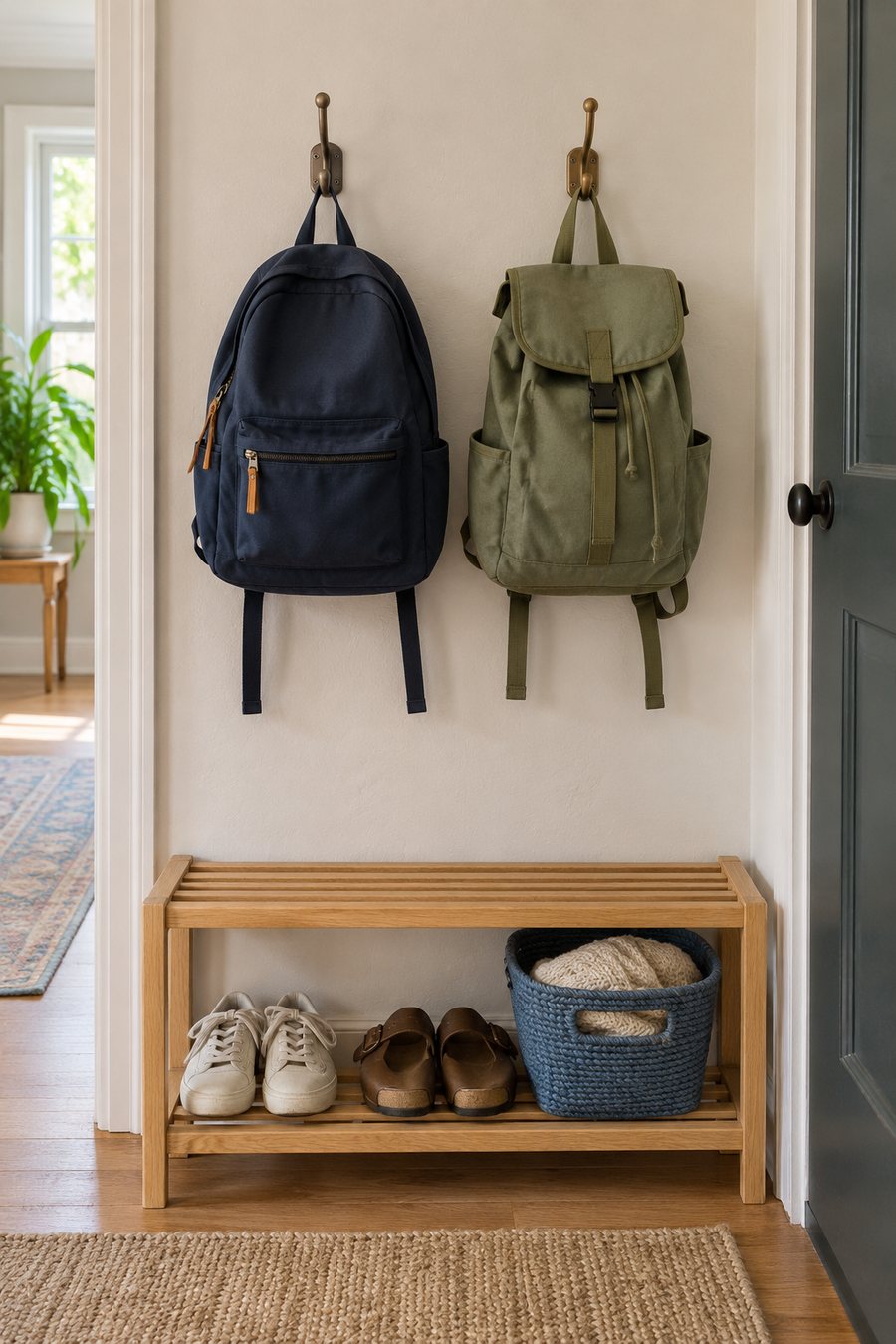
If the first backpack to come through the door lands on the floor, the second one will land on top of it. Before you buy a bench, watch where everybody stops. A drop zone works when the hooks and shoes are on that route, the door still swings freely, and you don’t have to move yesterday’s stuff to put today’s bag away.
Affiliate disclosure: I may earn a commission if you buy through an affiliate link. As an Amazon Associate I earn from qualifying purchases.
Choose storage by the space you have
The IKEA TJUSIG shoe rack is about 31⅛ inches wide by 12⅝ inches deep and 14⅝ inches tall. It’s an open two-tier option for a stretch of wall where the depth won’t pinch your route. Measure with your largest shoes on it, including any overhang. It’s a rack, so plan somewhere else to sit if sitting down to take off shoes is part of the routine.
If you want an Amazon option, the SONGMICS ULSA12BK two-tier rack (affiliate link) is a wide alternative, listed around 36¼ by 11¾ inches across the floor. It trades width for a little less depth than the TJUSIG. Skip it if you are short on wall length.
If depth is the real problem, compare IKEA TRONES shoe storage. It’s about 20½ inches wide, 7⅛ inches deep and 15⅜ inches tall per cabinet. It needs to be fixed to the wall according to IKEA’s instructions. Check how far it opens and whether your shoes fit before deciding how many to buy. It’s a different choice from an open rack: less stuff in view, but one more thing to open each time.
For a no-build trial, use a low open basket or tote already in the house. A small IKEA KUGGIS box is a simple option for hats or gloves, but there’s no reason to buy one if you’ve got a container that fits. I’d use the basket for one category only. If it holds hats, library books and the rock somebody found on Tuesday, it’s just a smaller version of the old pile.
If your wall can take hooks, use a rail or individual hooks installed to the maker’s directions. Weigh the backpack packed, not empty. The Command Large Utility Hook is an option for lighter items where the surface and load match the instructions, rather than a default for full backpacks. If the load is too heavy or the wall isn’t compatible, use a floor basket or a properly installed rail.
What buyers noticed
These notes draw on linked owner reviews, independent testing where identified, and product details. I’ve called out individual experiences and gaps in the feedback so you can weigh them when you shop.
IKEA TJUSIG
IKEA reviewers praise the straightforward assembly, sturdy feel and usefulness in an entryway. One found that some shoes still had to sit under or in front of it. Fit your longest shoes and highest boots before counting how many pairs will live here.
SONGMICS two-tier rack
I couldn’t verify a consistent buyer theme for the linked ULSA12BK. Its lower profile is only useful if the shoes you’re storing clear the upper shelf. Measure your tallest regular pair before giving it the wall space.
IKEA TRONES
IKEA buyers like clearing shoes off a narrow hall floor without leaving them in view. One found that each cabinet only held two pairs for their household. Treat that as a real example, not a universal capacity; test an adult pair and the largest kids’ pair before planning the whole wall.
IKEA KUGGIS
IKEA reviewers like the straight sides and tidy look when grouping small items. The review page includes several sizes, so check the dimensions of the small one you’re buying. For daily hats, I’d leave the lid off and see whether the bin is easier to use than the basket already at home.
Command Large Utility Hook
Home Depot reviews, including some collected in a promotion, describe using this hook for towels or other light items. That’s a better analogue for a hat or empty tote than a loaded school bag. Check the exact wall finish and packed weight against the maker’s directions.

Make the drop zone work in four passes
Mark the space on the floor
Lay out cardboard the size of the rack or bench you’re considering. Open the door all the way, step inside carrying a grocery bag, and try the route with another person coming through. Check whether the door, floor vent or closet is affected. A few inches of clear wall mean nothing if there’s nowhere for your feet.
Give each child one obvious spot
Try one bag spot and one shoe spot per child. If you can use hooks, pick their positions after trying with loaded bags held there by an adult. Check whether the bottom of each bag overlaps the shoes, and whether a wet jacket would drip onto clean gear. Start with the two backpacks you use now rather than planning space for every bag in the house.
Make a place for the item you lose most
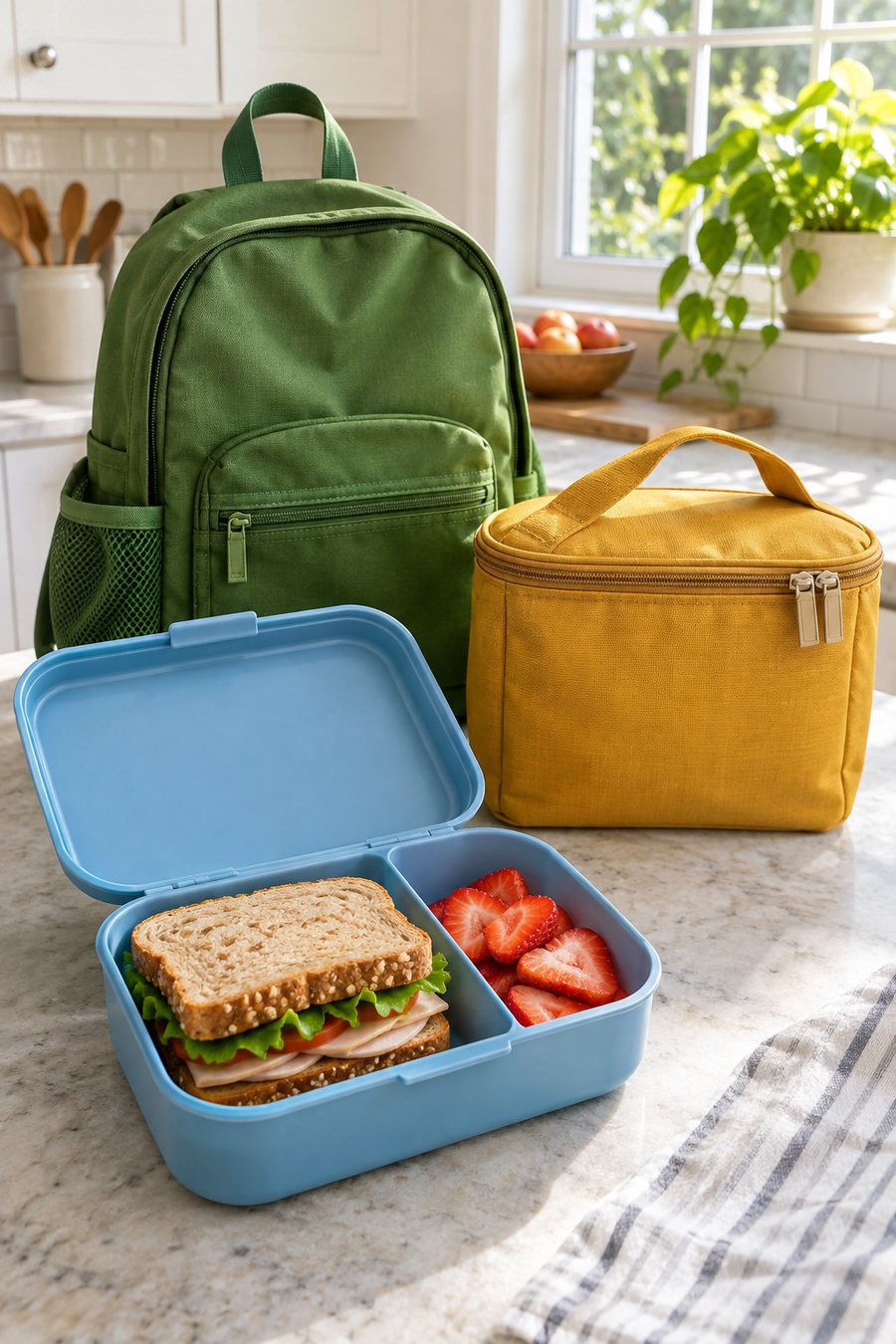
If it’s mittens, use one open basket. If it’s tomorrow’s papers, use a small folder you take elsewhere to sort instead of turning the entrance into a filing cabinet. For the lunch bag, use the same backpack fit check before deciding whether it can go in the bag spot or needs its own.
Reset it after one ordinary afternoon
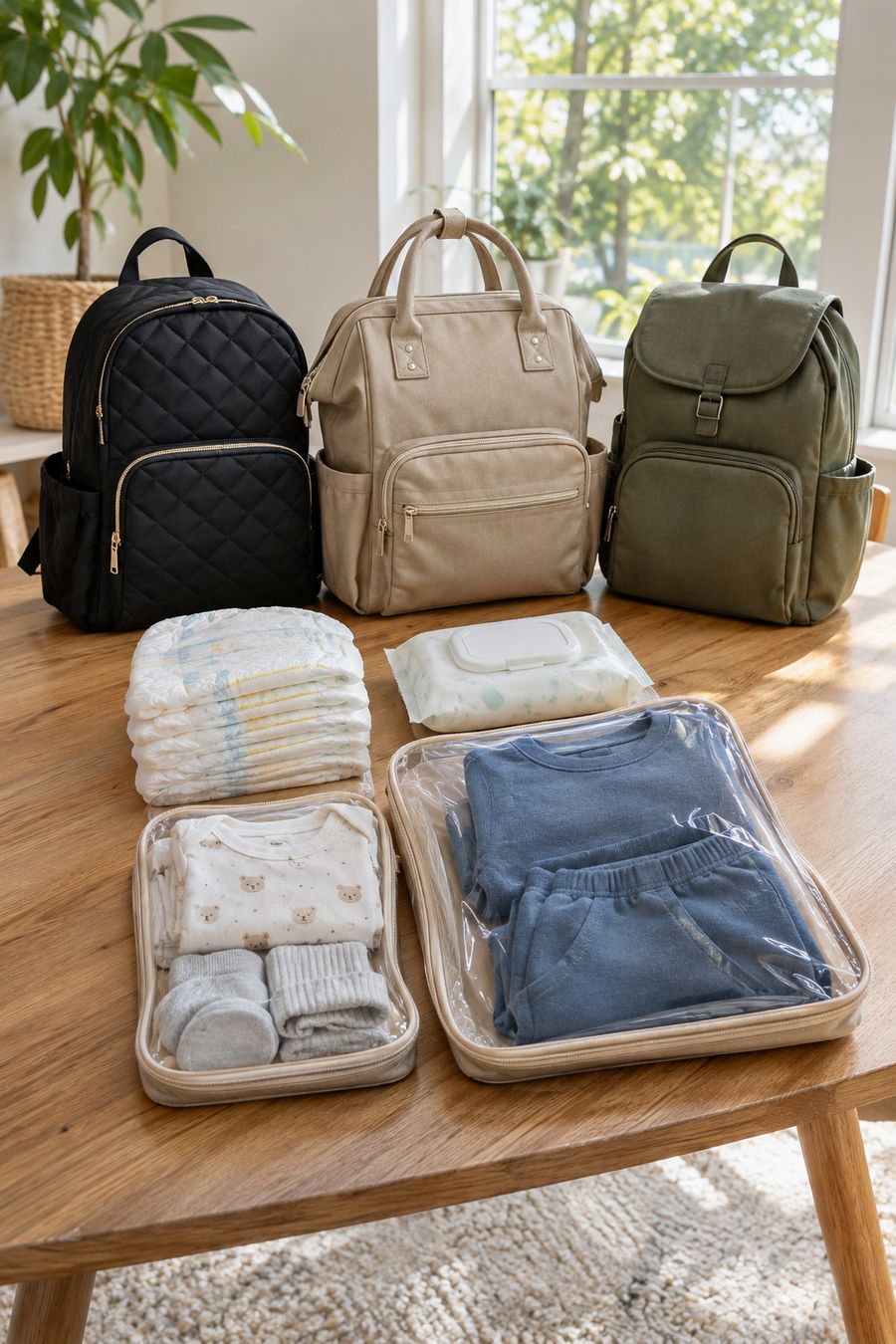
Clear out the stuff that didn’t move at all during the day. Put spare shoes back in the closet and keep the pairs you reach for near the door. If the next morning involves a trip to the airport, stage the packed flight tote separately so it can’t be mistaken for a school bag.

Fix the clutter that comes back
Shoes keep ending up in the doorway
Move their spot to the side where people take them off. If you still need to cross the door swing to use it, try a shallower setup or move the shoe storage farther in.
The hooks are too close together
Space them around the width of loaded bags. Start with fewer hooks and add another only if the jackets and backpacks can hang without covering each other.
The basket becomes a junk drawer
Choose one job and give unrelated items somewhere else to go. At the end of the week, tip out anything that’s there by accident.
The storage looks tidy but takes too long
Try leaving the basket open or removing one step. If you have to lift a lid and move a bag to put shoes away, there are two reasons the shoes will stay on the floor.
Three small layouts to try
The narrow hall
Test the depth with cardboard before committing to a wall cabinet. If opening a cabinet would still block the hallway, use a nearby closet and bring out only the shoes needed for tomorrow.
The rental
Use a low basket for bags and a freestanding rack where there’s room. Don’t count on a removable hook for a heavy bag just because it doesn’t need screws.
The family that comes in through the garage
Put a small washable shoe tray where you actually step out of shoes, and give backpacks a spot inside the house. A single setup doesn’t have to hold things that naturally get dropped in different places.

Once the bags have a home, keep the school routine simple. Put a lunchbox note with the clean lunch gear, choose from daycare lunch ideas for tomorrow, and keep travel snacks somewhere you can refill the bags without emptying the entryway basket.
FAQs
How do I make an entryway drop zone without a mudroom?
Choose a stretch of wall near the route you already take. Start with one spot for shoes and one for bags, then see what still ends up on the floor before adding anything.
How deep should shoe storage be in a small hallway?
There is no useful universal number. Measure your usable walkway with the door open, and check the depth of the unit with your shoes in it or the cabinet open.
What can I use if I'm not allowed to drill?
Try an open floor basket and a low freestanding shoe rack that fits the space. Use adhesive products only for compatible surfaces and loads according to their instructions.
Do I need a bench at the front door?
Only if you need a place to sit and have room to use it. An open shoe rack is a better use of space when seating already exists a few steps away.
How do I keep the entryway from filling up again?
Keep only the current shoes and school bags there. Give overflow its own home and reset the area after the day you bring the most stuff through the door.
Leave a Reply