
Key Highlights
Witnessing your infant’s night terrors can be alarming, but understanding them is the first step. Here are the key takeaways from our guide:
- The main causes of night terrors include sleep deprivation, an immature nervous system, and fever.
- Night terrors are different from nightmares; your child won’t remember a night terror episode the next day.
- These sleep disorders are often linked to genetics, so a family history can increase the likelihood.
- A consistent bedtime routine is crucial for preventing episodes.
- Night terror episodes typically last only a few minutes, even though they may seem longer.
- Baby screams are a common symptom during a night terror episode, but the baby is not fully awake.
- Night terrors in children are more common than in infants, and true night terrors are rare in babies. While true night terrors are rare in infants, what you’re seeing could be another common sleep disturbance.

Introduction
Watching your baby scream in the middle of the night can be a terrifying experience for any parent. During a night terror, a baby experiences intense crying, sudden movement, or even sitting up in bed, often appearing frightened but not fully awake. You might wonder if they are in pain or having a bad dream. However, bad dreams (nightmares) are different from night terrors—nightmares usually occur later in the night and your child may remember them, while night terrors happen earlier and your baby typically has no memory of the event. Often, these episodes are night terrors, a type of sleep disorder that is different from a nightmare. While distressing to watch, they are usually harmless to your child. This guide will help you understand the causes of night terrors, how to identify them, and what you can do to manage them. Remember, this is not medical advice, but a starting point for improving your child’s sleep.
There’s a ton to explore on Feral Toddler
Click below to find the hub you need:
Understanding Sleep Terrors in Infants
Sleep terrors in infants are a type of sleep disturbance known as a parasomnia. These episodes happen when your child partially awakens from a very deep stage of sleep but remains caught in a state between sleeping and being awake. During a night terror, the infant is in a semi conscious state—appearing awake but not fully aware. This is why they may seem awake but are completely unresponsive to you.
These events usually occur during the first few hours of the night, during non rapid eye movement (NREM) sleep stages. Unusual movements, such as thrashing or kicking, are common during these episodes. Interestingly, children who experience sleep terrors may also be more likely to have episodes of childhood sleepwalking. Understanding the signs and causes can help you feel more prepared.
If your baby also wakes crying between sleep cycles, the tips in baby waking every hour can help you understand what is triggering the disruptions.
Night Terrors vs. Nightmares: Key Differences
Is your baby having a night terror or just a bad dream? The main difference between night terrors and nightmares is your child’s awareness and memory of the event. Nightmares are frightening dreams that your child might remember, allowing you to comfort them. A night terror, another type of parasomnia, is an episode they won’t recall at all. During a night terror, your child may show signs of intense fear or appear to be feeling scared, even though they are not fully awake.

These two events also happen during different sleep stages. Night terrors occur during the transition from deep non-REM sleep, usually within the first third of the night. Nightmares, on the other hand, happen during the lighter REM sleep stage, often in the early morning hours.
Here are a few key differences to help you tell them apart:
- Recall: Your child will have no memory of the event after a night terror but can often recall a nightmare.
- Awakening: It is very difficult to wake a child during a night terror, but they wake up easily from a nightmare.
- Comfort: A child can be soothed after a nightmare but is typically inconsolable during a night terror.
How Common Are Night Terrors in Babies?
You might be worried if you think your baby is having night terrors, but how common are they really? True night terrors are actually quite rare in the youngest age group, specifically infants under 18 months old. Night terrors start most often between 18 months and 7 years of age, with the highest prevalence in preschool-aged children. Many children experience night terrors during these years, but the episodes often resolve as they grow older. Studies show that about 5% of children experience night terrors.
While many parents report what seems like night terrors in their infants, these sleep issues are often other types of nighttime awakenings. As babies start to develop more regular sleep cycles and enter dream (REM) sleep, their sleep patterns change, which can influence the occurrence of night terrors. Newborns and young babies have different sleep patterns and reflexes that can mimic the signs of a night terror.
Some infants show more intense episodes during big changes like those described in 6 month old waking hourly, especially when sleep pressure shifts.
The occurrence of night terrors changes as children get older, typically fading away by the teen years. Here is a general look at how common they are across different age groups.
| Age Group | Occurrence of Night Terrors |
|---|---|
| Infants (Under 1.5 Years) | Very rare; often mistaken for other sleep disturbances like active sleep or the Moro reflex. |
| Preschoolers (3–7 Years) | This is the most common age group for night terrors. |
| Older Children & Teens | The episodes become much less frequent and usually disappear completely by adolescence. |
Signs of Night Terrors in Your Child
Identifying baby’s night terrors in young children can be confusing, as the episodes look very dramatic. Your child might suddenly sit bolt upright in bed, scream, or cry intensely. They will appear to be in a state of panic, with wide eyes and a terrified expression, but they are not actually awake.
If your baby wakes during or after a night terror, remain calm and avoid trying to fully awaken them, as this can increase confusion. Instead, gently ensure their safety and wait for the episode to pass.
You may also notice physical signs of fear, such as sweating, breathing quickly, and a rapid heart rate. These sleep disruptions can be very upsetting to witness, but it’s important to know what to look for so you can respond calmly. The following sections break down the specific behaviors and symptoms.
Typical Behaviors and Symptoms
During an episode of night terrors, your child will seem to be in an extreme state of panic. These sleep disturbances happen abruptly out of the deepest sleep stages, which is why the behavior can seem so intense. You might see them thrashing, kicking, or even trying to get out of bed.
Despite the screaming and crying, your child is not responsive to you. They may have a glassy-eyed stare and won’t recognize you or their surroundings. Trying to hold or comfort them might even make the episode worse. The duration can vary, typically lasting anywhere from 10 to 40 minutes before your child settles back into a deep sleep.
Common symptoms you might observe include:
- Sudden screaming, crying, or shouting
- Sweating and a rapid heart rate
- Sitting up abruptly or jumping out of bed
- Being difficult to comfort or wake up
Is Child Shaking at Night a Sign of Night Terror?
Yes, shaking or thrashing movements can be a sign of night terrors. These movements are part of the intense physical response that happens during an episode. When a child experiences one of these sleep disorders, their nervous system becomes over-aroused as it tries to transition between sleep cycles, which can cause a rapid heart rate and physical agitation. The ongoing development of the baby’s central nervous system can contribute to these sleep disturbances, making infants more susceptible to night terrors and overstimulation during sleep.
However, in very young babies, other factors could cause shaking or twitching. For example, newborns experience “active sleep,” where they might kick, grimace, or twitch while still fully asleep. The Moro reflex, an involuntary startle response, can also cause a baby to suddenly fling their arms out and cry. These are normal and usually disappear as their nervous system matures.
Distinguishing between these events is key. A night terror is a prolonged episode where the child is inconsolable and seems terrified. In contrast, movements from active sleep are brief, and a baby waking from a Moro reflex can usually be comforted. If you have any concerns, a conversation with a sleep medicine specialist can provide clarity.
Main Causes of Night Terrors in Infants
There isn’t one single reason for night terrors, but several factors are known to contribute to these sleep disorders. Night terrors are one of several other sleep disorders that can affect infants, each with their own symptoms and causes. The primary cause is thought to be related to the brain’s developmental stage. A child’s brain is still learning to transition smoothly between sleep cycles, and sometimes it gets “stuck” between deep sleep and wakefulness.
Other common triggers include sleep deprivation, stress, and even fever. When a child is overtired, they spend more time in deep sleep, which increases the opportunity for a night terror to occur. In rare cases, night terrors may be linked to underlying medical conditions such as seizures or other serious health issues, so medical evaluation may be necessary. Below, we’ll explore some of these causes in more detail.
Developmental Stage and Brain Activity
A child’s developmental stage plays a major role in night terrors. These episodes are closely linked to the immaturity of a child’s central nervous system. As the brain develops, it gets better at managing the transitions between different sleep stages. In young children, these transitions aren’t always smooth, leading to a partial arousal from deep sleep that triggers a night terror.
The brain activity during night terrors is very different from that during dreams. Night terrors arise from non-REM sleep, which is the deepest phase of sleep. This is why children appear so disoriented and are not actually “dreaming” in the way we think of it. In contrast, nightmares occur during REM sleep, a lighter sleep stage.
Because night terrors are linked to brain maturation, most children simply outgrow them. As their nervous system develops and they learn to regulate their sleep cycles more effectively, the episodes become less frequent and eventually stop altogether, usually by the time they are teenagers.
Role of Genetics: Are Night Terrors Genetic?
If you or your partner had night terrors as a child, you might wonder if genetics are at play. Research strongly suggests that they are. There appears to be a significant genetic link, meaning the likelihood of night terrors increases if there is a family history of them or other parasomnias like sleepwalking.
One study highlighted just how strong this connection can be. It found that the chance of a child having night terrors was as high as 60% if both parents had experienced them. This indicates that the tendency for these sleep disturbances can be passed down through generations.
While genetics can increase the risk, it’s not a guarantee that your child will have them. It simply means they are more predisposed. Other factors, like sleep deprivation or stress, often act as triggers for the episodes. Think of genetics as setting the stage, while lifestyle factors may cue the performance. It is important to know this is not a medical condition but a predisposition.
Environmental and Lifestyle Triggers
Beyond development and genetics, certain environmental triggers and lifestyle factors can increase the chances of a night terror. Everyday stimulation and routines in your child’s daily life, such as changes in activities or environment, can impact sleep and trigger night terrors. Anything that disrupts your child’s sleep or makes them overtired can be a potential trigger. Establishing good sleep habits, like a consistent bedtime routine, can help reduce the risk of night terrors. An inconsistent sleep routine, not getting enough hours of sleep, or even stressful events during the day can contribute. Exposure to scary stories before bed, whether in books, shows, or fairy tales, can also increase the likelihood of night terrors.
A noisy sleep environment or a room that is too warm can also cause sleep disruptions that lead to an episode. Understanding these triggers is helpful because many of them are within your control. We’ll look closer at how changes in routine and other factors can affect your child’s sleep.
Changes in Sleep Schedule and Routine
Yes, changes in a baby’s sleep schedule can absolutely cause night terrors. Consistency is key for a child’s sleep, and any disruption to their regular routine can lead to them becoming overtired. Difficulty falling asleep due to changes in routine can also increase the risk of night terrors, as unsettled sleep onset may trigger sleep disturbances. When a child is suffering from sleep deprivation, their body tries to compensate by spending more time in deep sleep, the very stage where night terrors happen.
An unpredictable sleep schedule, a missed nap, or a later-than-usual bedtime can all throw off your child’s internal clock. This makes it harder for their brain to transition smoothly through the sleep cycles, increasing the risk of a partial arousal. Creating a calm and consistent bedtime routine signals to your child’s body that it’s time to wind down for sleep.
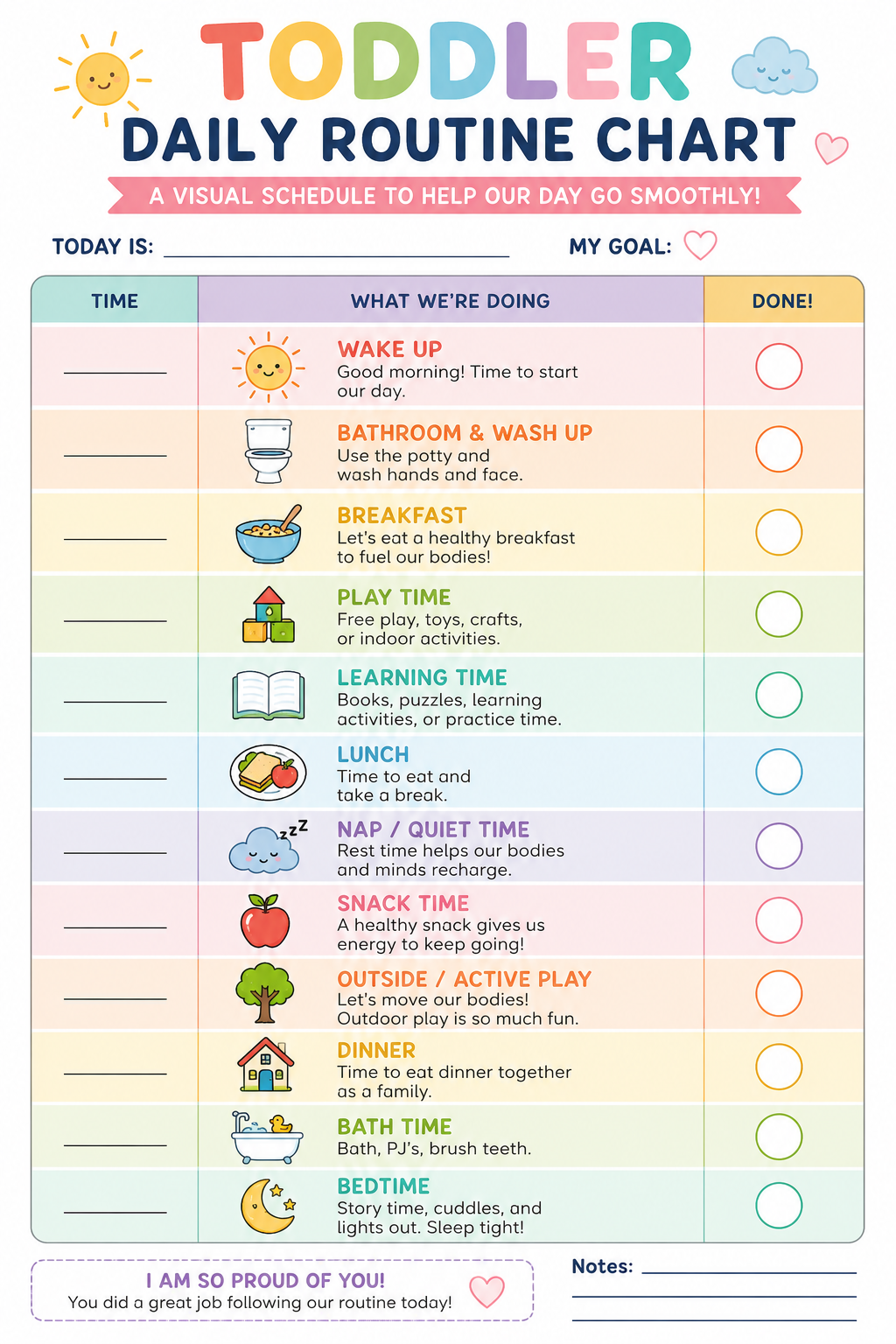
Establishing a consistent bedtime routine is one of the most effective ways to prevent night terrors. This routine should be relaxing and predictable, including activities like a warm bath, reading a story, or quiet cuddles. Ensuring your child gets enough total hours of sleep for their age is just as important.
Medical Conditions Associated with Sleep Terrors in Infants
In some cases, an underlying medical condition can trigger sleep terrors. Though less common, these issues can disrupt sleep and lead to the partial arousals that cause night terrors. For example, conditions that interfere with breathing, such as obstructive sleep apnea (OSA), can cause brief awakenings throughout the night, increasing the risk.
Other medical problems like reflux, where stomach acid causes discomfort, or even a high fever can also be triggers. A fever increases the amount of time the body spends in deep sleep, making a night terror more likely. Certain medications may also list night terrors as a potential side effect.
If your child’s night terrors are frequent, severe, or you suspect another issue, it’s wise to consult a doctor. A sleep medicine specialist may recommend a sleep study (polysomnography) to monitor your child’s brain activity and breathing. This can help rule out or diagnose an underlying medical condition that may need treatment.
Baby Sleep and Night Terrors
Night terrors in babies can be unsettling for both parents and little ones, especially when they disrupt what should be a peaceful night. These sleep disorders typically occur during the deepest stages of baby sleep, most often in the first few hours after your child falls asleep. Unlike nightmares, night terrors happen earlier in the night and are not linked to dream sleep, but rather to a sudden arousal from deep sleep.
When night terrors in babies occur, your child may seem distressed or inconsolable, but they are not fully awake and usually have no memory of the event the next day. These episodes can interrupt the natural flow of baby sleep cycles, sometimes leaving both you and your baby feeling unsettled. While night terrors tend to be more common in older children, they can occasionally affect infants, especially if their sleep is disrupted or they are overtired.
Because quality sleep is so important for your baby’s growth and development, it’s natural to worry when sleep disorders like night terrors affect your child’s rest. The good news is that most babies outgrow these episodes as their central nervous system matures and their sleep cycles become more regular. In the meantime, focusing on a calming bedtime routine and a safe sleep environment can help reduce night terrors and support better sleep for your little one. Remember, while night terrors can be alarming, they are usually harmless and a normal part of childhood sleep development.
Identifying and Managing Night Terrors at Home
When your child is having a night terror, your first instinct might be to wake them up, but this can make things worse. Take a deep breath and stay calm—your reassurance is important. The best thing you can do is stay calm and ensure they are safe. If your child is prone to getting out of bed during a night terror, lock doors to prevent wandering and keep the environment secure. Don’t try to restrain them unless they are at risk of hurting themselves. Instead, wait until the night terror ends before intervening or gently guiding them back to bed.
The good news is that your child will have no memory of the event the next day. Once the episode is over, you can gently guide them back to their own bed if they’ve gotten out. While you can’t always stop night terrors immediately, prevention and management strategies—like ensuring enough sleep and avoiding sleep deprivation—can help reduce their frequency. The focus should be on prevention by ensuring they get enough sleep and avoiding sleep deprivation.
Tips for Soothing and Preventing Episodes
While you can’t stop a night terror once it has started, you can take steps to prevent them. Night terrors treatment usually focuses on supportive care, maintaining a consistent routine, and providing reassurance, rather than medication. Prevention is focused on creating a soothing sleep environment and a predictable routine. The goal is to reduce triggers like overtiredness and stress, which are common causes of these episodes.
A solid bedtime routine is your best tool. Consistency helps regulate your child’s internal clock and promotes better sleep quality. If episodes persist and happen at the same time each night, some healthcare professionals might suggest a technique called “scheduled awakenings.” This involves gently waking your child 15-30 minutes before the terror usually occurs to disrupt the sleep cycle. However, this should only be done under the guidance of a doctor.
Here are some tips to help prevent night terrors:
- Establish a consistent and relaxing bedtime routine.
- Ensure your child gets enough sleep for their age.
- Create a safe sleep environment by removing hazards from the bedroom.
- Avoid overstimulation before bed.
- Keep the bedroom cool, dark, and quiet.
- Night terrors are typically treated by ensuring your child’s safety and providing reassurance during and after an episode.
- If episodes are frequent, discuss them with your pediatrician.
If night terrors persist despite these measures, consult a healthcare professional for further evaluation and guidance on night terrors treatment options.
Conclusion
Understanding the causes of night terrors in infants can be crucial for parents navigating these challenging episodes. While night terrors can stem from various factors, including developmental stages and environmental triggers, recognizing the signs and symptoms is essential for effective management. By creating a soothing sleep environment and maintaining consistent routines, parents can help reduce the frequency of these occurrences. Remember, you are not alone in this journey; many parents experience similar challenges. If you have further questions or need personalized advice, don’t hesitate to reach out for guidance. Your child’s restful sleep is worth it!
For more sleep support across every stage, you can always visit the complete toddler sleep resource page.
Frequently Asked Questions
Can fever cause night terrors in babies?
Yes, a fever can cause night terrors in infants and children. Fevers can increase the amount of time the body spends in deep sleep. Since night terrors arise from this stage of sleep, the change in sleep patterns during an illness can trigger these intense sleep disturbances.
When should parents seek medical help for sleep terrors in infants?
You should seek medical help for night terrors if they happen very frequently, cause your child to get hurt, or lead to extreme sleepiness during the day. Your child’s doctor can rule out other conditions and, if needed, may recommend a sleep study for further evaluation.
How can parents tell the difference between night terrors and other nighttime disturbances?
The key difference between night terrors and nightmares lies in awareness and memory. During a night terror, your child is asleep, inconsolable, and will have no memory of the event. After a nightmare, your child wakes up, can often remember the bad dream, and can be comforted by you.
Want more expert-backed toddler sleep info?




Leave a Reply