
Key Highlights
- Understanding your toddler’s sleep can feel complex, but post-nap screaming often has a clear cause.
- Common reasons for these sleep disturbances include night terrors, separation anxiety, and physical discomforts like teething or hunger.
- Developmental leaps, such as learning to walk or talk, can disrupt sleep cycles and cause emotional overwhelm, leading to post-nap distress.
- Bad dreams can also cause toddlers to wake up screaming from naps and may require extra soothing and reassurance.
- Establishing an early bedtime can help prevent overtiredness and reduce the likelihood of post-nap screaming.
- A temporary sleep regression can disrupt your toddler’s normal sleep patterns, leading to tears upon waking.
- Ensuring your child gets enough hours of sleep is crucial, as overtiredness can make the problem worse.
- A consistent and calming sleep routine is one of the best tools for preventing post-nap hysterics.
Introduction
It can be startling and upsetting when your toddler wakes from a nap screaming. You rush to their side, only to find them inconsolable. Sometimes, this reaction can be triggered by a developmental leap—a period of rapid growth that can temporarily disrupt sleep patterns. This challenging part of toddler sleep can leave you feeling worried and helpless. The good news is that this behavior is often a normal, temporary phase. Understanding the potential causes, from night terrors to disruptions in their sleep cycle, is the first step. With a little patience and a solid sleep routine, you can help your child get back to peaceful naps.
There’s a ton to explore on Feral Toddler
Click below to find the hub you need, whether you’re dealing with toddler play, sleep, meals, or tantrums.

Common Reasons Toddlers Wake Up Screaming from Naps
When your toddler wakes up screaming, it’s natural to wonder why. Their sleep can be interrupted by many of the same issues that affect babies, but toddlerhood brings its own unique challenges. A toddler wake episode can often be triggered by being in the middle of a developmental leap, which is common for kids at this age. The common causes range from developmental leaps to scary dreams, and being in the middle of these changes can make sleep disruptions more likely.
Understanding these triggers can empower you to respond effectively. Issues like sleep terrors, a frightening bad dream, or even just the transition between sleep cycles can cause this distress. Bad dreams are another reason toddlers may wake up screaming from naps. While it’s rarely a sign of a serious sleep disorder, knowing what might be happening can help you soothe your little one. Let’s look at some of the most frequent reasons for these tearful awakenings. Sometimes what looks like nap screaming is really part of the 10 month sleep regression, especially when it shows up alongside new milestones.
Normal Sleep Transitions and Confusional Arousals
Have you ever been woken up suddenly and felt completely lost for a moment? This can happen to your toddler, too, and it’s known as a confusional arousal. These episodes often occur when a child is waking up from the deepest part of their sleep cycle. Instead of waking up alert and happy, they seem confused, disoriented, and upset.
This experience is linked to your toddler’s developing central nervous system. Their brain is still learning how to smoothly transition between different sleep stages, from deep non-rapid eye movement (non-REM) sleep to lighter REM sleep. Sometimes, they get “stuck” between being asleep and being awake, which can be frightening for them and lead to crying or screaming.

Confusional arousals are generally harmless and are something your child will outgrow. The key is to recognize it for what it is: a brief period of disorientation. Offering calm reassurance is the best way to help them through it until they are fully awake and aware of their surroundings.
When screaming from naps is paired with battles at bedtime, you may also want the step by step strategies in toddler resisting bedtime.
Emotional Development and Toddler Tantrum After Nap
A toddler’s world is full of big emotions they are just learning to manage. This ongoing emotional development plays a significant role in their behavior, even during sleep. Sometimes, what looks like a toddler tantrum after a nap is really just your child being overwhelmed by feelings they can’t yet express upon waking. It’s also common for toddlers to wake up grumpy after a nap, especially if the nap was too short or poorly timed.
If your toddler seems angry or upset after napping, they might be struggling with separation anxiety or processing an active morning. Their growing imagination can also lead to fears that surface when they wake up alone. They aren’t trying to be difficult; they are simply reacting to their internal world in the only way they know how.
The best way to help is with patience and comfort. Acknowledge their feelings and offer a soothing cuddle. Sticking to a consistent sleep routine helps create a sense of security, which can reduce the intensity of these emotional outbursts. Ensuring they get enough hours of sleep also prevents the overtiredness that can make emotions even harder to handle.
Occasional crying or screaming after a nap is typically developmentally normal for toddlers. If nap screaming started after a recent schedule change, it can help to review your daytime rhythm alongside when to drop to 3 naps.
Night Terrors vs. Nightmares During Nap Time
It can be terrifying to see your child screaming, thrashing, and seeming completely panicked, but it’s important to know whether they are having a night terror or a nightmare. While both can be upsetting, they are very different experiences. Nightmares are simply a bad dream that wakes your toddler up, leaving them scared and wanting comfort.
In contrast, during sleep terrors, your child is not actually awake. These episodes happen during the deepest stage of sleep and your child will have no memory of it afterward. One of the main causes of night terrors is sleep deprivation, so an overtired toddler may be more likely to experience them.
If you suspect night terrors, the best thing to do is to stay calm and ensure your child is safe. Don’t try to wake them, as this can increase their confusion and agitation. The episode will pass on its own. Understanding the difference can help you respond appropriately.
| Feature | Night Terror | Nightmare |
|---|---|---|
| State of Wakefulness | Child is asleep and unaware of your presence. | Child wakes up and is aware of their surroundings. |
| Memory of Event | No memory of the event the next day. | Can often remember parts of the bad dream. |
| Comfort | Resists comfort and may seem more agitated if held. | Seeks and is calmed by parental comfort. |
| Time of Night | Usually occurs in the first half of the night. | Typically happens in the second half of the night. |
| Return to Sleep | Falls back into a deep sleep quickly after the episode. | May be afraid to go back to sleep. |
How Sleep Cycles Affect Toddlers During Naps
Sleep cycles play a big part in how toddlers feel when they wake up. Generally, young children move through different sleep stages, including light and deep sleep. Waking up during a deep sleep phase can lead to confusion and distress, resulting in sudden cries or screams. This reaction may feel like night terrors but is often just a response to being pulled from a restful state. Ensuring that naps align with your toddler’s natural sleep patterns can help avoid these abrupt wake-ups.
Deep Sleep and Sudden Awakenings
During deep sleep, toddlers experience important restorative processes that help their bodies and minds grow. If they wake suddenly during this stage, it can lead to confusion or fear, resulting in screams or cries. These sudden awakenings are often abrupt and distressing, as the child’s central nervous system struggles to transition from a deep state to awareness. Understanding these sleep cycles is key to offering support and gentle reassurance, helping your little one feel safe during these unexpected moments.
Role of Overtiredness in Toddler Cries After Nap
Overtiredness can play a big role in how toddlers react when they wake up from a nap. If they haven’t had enough sleep, they might feel cranky and scream instead of waking up peacefully. Children often need consistent sleep routines to help them avoid this. Additionally, when they’re overtired, their bodies can struggle to return from deep sleep, leading to sudden awakenings that can be unsettling. Ensuring a regular sleep schedule can help keep those cries at bay.
Physical Causes for Post-Nap Distress
Awakening from a nap can lead to distress due to several physical causes. Often, hunger or discomfort can play a significant role, causing toddlers to cry. Additionally, factors like room temperature can impact their comfort level. An irregular sleep schedule may also interfere with their mood upon waking. In some cases, being sick or experiencing illness or teething issues may leave them feeling unwell, leading to sudden outbursts. Waking up screaming can also be a sign that a toddler is experiencing discomfort or overstimulation. Understanding these physical elements is key to helping your little one feel better after their nap.
Hunger or Discomfort Upon Waking
Waking up after a nap can sometimes mean your little one is feeling hungry or uncomfortable. Food intake and low blood sugar can play a significant role in post-nap distress. If your toddler hasn’t had enough hours of sleep or a proper snack before their nap, their discomfort might lead to sudden cries. Low blood sugar can lead to crankiness and crying upon waking from a nap. This reaction could signal they need something to eat or a diaper change. Offering a snack after waking can help soothe a toddler who wakes up crying. Keeping a consistent routine that includes healthy snacks and appropriate sleep times can help minimize these distressing moments, ensuring your child feels safe and secure upon waking.
Sleep Environment and Its Impact
Creating a comfortable sleep environment plays a crucial role in how toddlers experience naps. Ensuring your child sleeps in a safe and comfortable crib is essential for their well-being and can help prevent injuries during episodes like night terrors or sleepwalking. Using a sound machine can create a calming nap environment by providing gentle background noise and avoiding abrupt awakenings. Creating a dark, quiet, and comfortable sleep environment is ideal for toddlers, and the optimal room temperature for toddler sleep is around 68–72°F or 20–22°C. Comfortable bedding and a soothing atmosphere can help reduce disruptions. Creating a calming nap environment can help toddlers wake up happier from naps. Maintaining a consistent sleep routine that includes these elements can help minimize the chances of sudden awakenings and post-nap crying, ensuring happier wake-ups for your little one.

Illness or Teething Issues
Screaming upon waking from a nap can sometimes be linked to illness or teething issues. Discomfort from teething can disrupt a toddler’s deep sleep, leading to sudden awakenings filled with cries. Illnesses, like colds or fevers, may also affect sleep patterns, causing anxiety during sleep transitions. It’s essential to observe your child for signs of discomfort, ensuring a consistent bedtime routine that promotes restful sleep. Providing comfort and addressing these physical ailments can help soothe their post-nap distress.
Behavioral and Emotional Triggers
Understanding the feelings and behaviors of toddlers can provide insight into their post-nap distress. Often, separation anxiety surfaces, making them feel insecure when they wake alone, and separation anxiety can trigger distress in toddlers waking alone. Introducing a favorite transitional object, like a stuffed animal, may help them feel safe. Some toddlers may need physical reassurance, such as a hug, after waking up, while others may prefer space. Sitting with your child or talking softly to them as they wake can help them transition from sleep to wakefulness. Overstimulation before naptime can also contribute, leaving little ones anxious instead of relaxed. Ensuring a calm environment and a consistent nap routine can nurture better emotional health, promoting restful afternoons and smoother awakenings.
Separation Anxiety and Transitional Objects
Separation anxiety can make naptime tricky for toddlers. Waking up from a nap, they might cry due to missing their caregivers. This feeling often hits during transitional periods in their development. Transitional objects, like a favorite blanket or stuffed animal, can help comfort them and provide a sense of security. Having these items nearby encourages independent sleep and lessens distress. Establishing a consistent routine around naps is also beneficial, as it fosters a sense of stability and helps ease their fears.
Overstimulation Before Naptime
A busy day filled with fun activities can lead to overstimulation, making it hard for toddlers to wind down. When their little brains are overwhelmed, it becomes challenging to transition into a peaceful nap. This overstimulation can disrupt their natural sleep cycle, leading to challenges like sleep disturbances or even night terrors. To help avoid this, creating a calming pre-nap routine with quiet time and gentle activities can foster better relaxation and support healthy sleep habits.
Nutrition and Sleep: How Diet Influences Nap Quality
What your toddler eats can have a big impact on how well they sleep, both at night and during nap time. A balanced diet supports restful sleep and can even help prevent night terrors and night waking. If your little one is having trouble settling or wakes up from naps crying, it might be worth looking at their nutrition as part of the solution.
Toddlers need enough sleep and steady energy throughout the day, so offering a small snack before nap time can help prevent low blood sugar, which is a common reason for post-nap grumpiness and tears. Choose snacks that are easy to digest and provide lasting energy, like a banana, a few whole grain crackers, or a slice of cheese. Avoid sugary treats or heavy meals right before sleep, as these can disrupt deep sleep and make it harder for your child to settle.
A consistent sleep routine that includes a calming activity—like reading a book or singing a quiet song—can signal to your toddler that it’s time to rest. Limiting screen time before naps and bedtime is also important, as screens can interfere with the brain’s natural sleep signals. By combining a healthy diet, a small snack before nap time, and a consistent routine, you can help your toddler enjoy more restful sleep and reduce the chances of post-nap crying.
For a full overview of regressions, nap transitions, and bedtime routines, you can always come back to the main toddler sleep hub.
How to Respond When Your Toddler Wakes Up Screaming
When your toddler wakes up in tears, your first instinct is to rush in and fix it. The best thing you can do is remain calm and soothing. It is helpful to create a calm environment during wake-up to prevent a toddler from having a nap tantrum. Allowing toddlers to wake up naturally can also improve their mood after naps. Your steady presence is often the most comforting thing for them. The goal is to offer gentle soothing without making the wake-up too stimulating.
Adults can also experience symptoms like grogginess or crankiness after abrupt awakenings, so it’s important to remember that these reactions are normal for all ages.
Over time, your calm response, combined with consistent nap routines, will teach your child that they are safe and can settle back down. This approach helps build healthy sleep habits and encourages independent sleep skills. Below are some practical strategies you can use to calm your child and adjust their routine for more peaceful naps.
Gentle Soothing Strategies for Calming Your Child
The best way to calm a hysterical toddler is with gentle soothing techniques that don’t overstimulate them. When you enter their room, keep the lights dim and your voice soft. Your toddler will pick up on your calm energy, which can help them regulate their own emotions.
Instead of a lot of chatter, try quiet, reassuring actions. A gentle back rub, a soft hum, or simply sitting near their bed can provide immense comfort. This creates a calm environment that signals it’s still time for rest. Let them know you’re there and that everything is okay without starting a playful interaction.
If your child is old enough, you can even encourage them to take a deep breath with you. Here are a few simple but effective strategies:
- Use a low, monotonous voice to say reassuring phrases like, “You’re safe, it’s time to rest.”
- Offer a comforting physical touch, such as holding their hand or stroking their hair.
- Stay with them until they are calm, reinforcing the security of their bedtime routine.
Adjusting Nap Routines to Avoid Post-Nap Tears
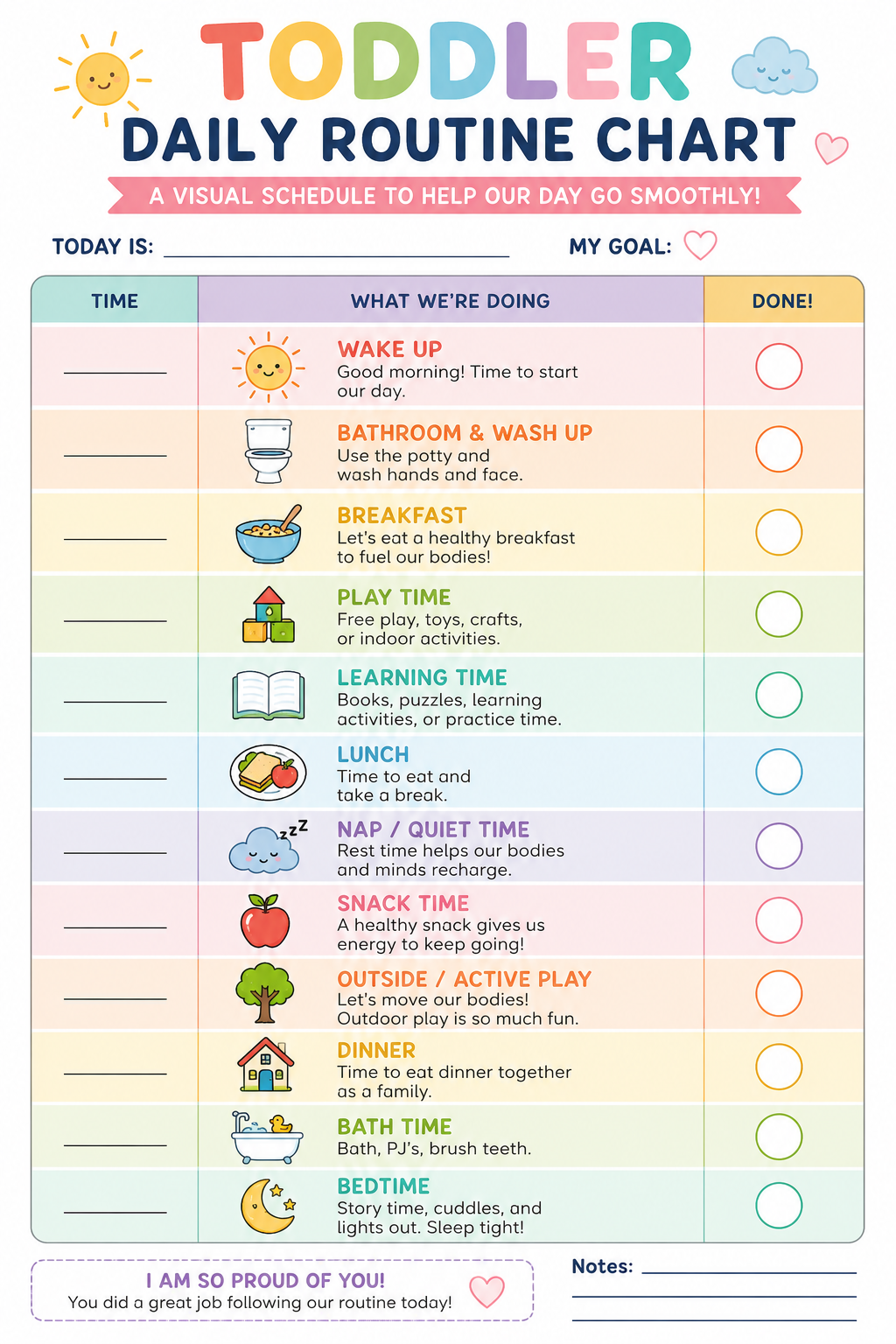
A predictable nap routine is one of your most powerful tools for preventing post-nap tantrums. When your toddler knows what to expect, their body and mind can more easily transition into and out of sleep. A consistent sleep routine helps regulate their internal clock, making awakenings less jarring and helping toddlers feel more secure.
Think about the timing of the afternoon nap. If it’s happening too late in the day—especially after the hour of 3:30 or 4:00 PM—it can interfere with your toddler’s natural sleep-wake rhythm and disrupt their circadian rhythm. Napping too late may also make it harder for your child to fall asleep at bedtime, leading to an overtired and cranky child. Adjusting nap timing to earlier in the day can lead to smoother wake-ups and better overall sleep quality. Ensuring the nap happens at roughly the same time each day provides the structure toddlers crave, especially in the early years.
Making small adjustments can have a big impact on the quality of their rest. A consistent pre-nap wind-down, similar to your bedtime ritual, can signal that it’s time to slow down. Consider these adjustments:
- Establish a simple, calming pre-nap routine, like reading a short book or singing a quiet song.
- Pay attention to sleep cues and start the nap before your toddler becomes overtired.
- Ensure the nap schedule allows for enough wake time before bed to build adequate sleep pressure.
Monitoring Progress and Adjusting Strategies Over Time
Helping your toddler develop healthy sleep habits is an ongoing process, and it’s important to monitor their progress and adjust your strategies as needed. Keep a simple log of your toddler’s sleep patterns, including when they go to bed, wake up, and take naps. This can help you spot patterns—like sleep regression, night terrors, or frequent post-nap crying—and figure out what might be causing disruptions.
If you notice your toddler waking up upset after nap time, try to identify any changes in their routine or environment. For example, if hunger seems to be the culprit, having a snack ready before nap time can make a big difference. If separation anxiety is leading to tears, offer comfort and reassurance, perhaps by sitting with your child for a few minutes as they settle in bed.
Remember, every toddler is different, and their sleep needs will change as they grow. Be patient and flexible—what works for your child at one age may need to be adjusted as they get older. If you’re dealing with ongoing issues like night terrors or sleep regression, don’t hesitate to reach out to your pediatrician for guidance. With time, consistency, and a willingness to adapt, you’ll help your toddler move toward more peaceful naps and nights.
Conclusion
In conclusion, understanding why your toddler wakes up screaming from naps is essential for both their emotional development and your peace of mind. By recognizing the common reasons behind these awakenings—such as normal sleep transitions, physical discomfort, or emotional triggers—you can better address their needs. Implementing gentle soothing strategies and adjusting nap routines can make a significant difference in minimizing post-nap tears. Remember, it’s a phase many toddlers go through, and with patience and care, you can help them navigate these transitions more smoothly. If you need personalized advice or support, don’t hesitate to reach out for a free consultation.
Frequently Asked Questions
Is it normal for my toddler to scream after naps?
Yes, it is surprisingly normal for toddlers to scream after naps. These sleep disturbances are often caused by things like confusional arousals, sleep regression, or even night terrors. It’s usually a temporary phase in your toddler’s sleep development, and a consistent sleep routine can help minimize these episodes.
When should I worry about my toddler’s post-nap crying?
While usually normal, you should contact your pediatrician if the screaming persists for several weeks, is accompanied by other symptoms like a fever, or severely disrupts daytime behavior. Persistent night wakings or concerns about a potential sleep disorder are also valid reasons to seek professional advice.
Can nap routines reduce toddler tantrum after nap?
Yes, absolutely. A consistent sleep routine is key to preventing a toddler tantrum after a nap. It helps regulate their body clock, prevents overtiredness, and provides a sense of security. A predictable nap routine is a cornerstone of building healthy sleep habits and can make awakenings much smoother.
Want more expert-backed toddler sleep info?





Leave a Reply