
These quiet sensory activities for toddlers help support calm play and focus.
In this post:
- calming sensory ideas
- low stimulation activities
- easy setups
Key Highlights
- Quiet time activities are vital for helping toddlers wind down and recharge.
- Calm sensory play reduces the risk of sensory overload and supports emotional regulation.
- Setting up a peaceful environment is just as important as the activity itself.
- Simple sensory input, like exploring soft textures or watching glitter fall, can be very calming.
- Many effective quiet time activities use everyday household items, making them easy to set up.
- These activities help toddlers develop focus, fine motor skills, and independence.
Introduction
Even the most energetic toddler needs moments of calm. Quiet time is a crucial part of your child’s day, giving them a chance to rest their bodies and minds. If you’re looking for ways to transition from busy play to a more relaxed state, you’re in the right place. This guide offers a variety of quiet time activities designed to provide gentle sensory experiences. These ideas for quiet play will help your little one settle down, recharge, and find peace in their day.

Understanding Calm Sensory Play for Toddlers
Calm sensory play is all about providing your toddler with gentle sensory input that soothes rather than stimulates. For young children, the world can sometimes be a loud and overwhelming place, leading to sensory overload.
These quiet activities are designed to help your child process their surroundings in a peaceful way. By focusing on one or two senses at a time, you can encourage relaxation and create a perfect opportunity for quiet time. Let’s explore what makes this type of play so calming and beneficial.

What Makes Sensory Play Calming
Calming sensory play works by focusing your toddler’s attention without overwhelming them. Unlike activities with loud noises, bright flashing lights, or too many moving parts, this type of play is simple and predictable. It helps prevent sensory overload by providing gentle and repetitive sensory input.
Think about the soothing feeling of running your hands through dry rice or the quiet focus needed to string large beads onto a shoelace. These activities engage the senses in a gentle manner. They allow your toddler to explore textures, shapes, and colors at their own pace, which naturally promotes relaxation.
The best quiet activities for toddlers who need help with sensory regulation often involve tactile exploration. Activities like squishing soft playdough, sorting fluffy pom-poms, or working with chunky wooden puzzles give your child a calming focus point, helping them feel grounded and secure.

Benefits of Peaceful Toddler Play for Emotional Regulation
Peaceful play is more than just a way to pass the time; it’s a powerful tool for your toddler’s emotional development. When your child engages in a calm activity, they are learning how to self-soothe and manage their feelings. This is a foundational skill for emotional regulation.
These quiet moments give your toddler a break from the constant stimulation of their environment, which can significantly reduce the frequency and intensity of meltdowns. Instead of becoming overwhelmed, they have a healthy outlet to channel their energy into something focused and peaceful, which fosters a sense of independence and confidence.
Ultimately, these activities create a space for relaxation. Effective quiet activities for toddlers experiencing sensory overload provide a safe harbor where they can decompress. This emotional downtime is just as important as physical rest for their overall well-being.
Setting Up a Calm Environment at Home
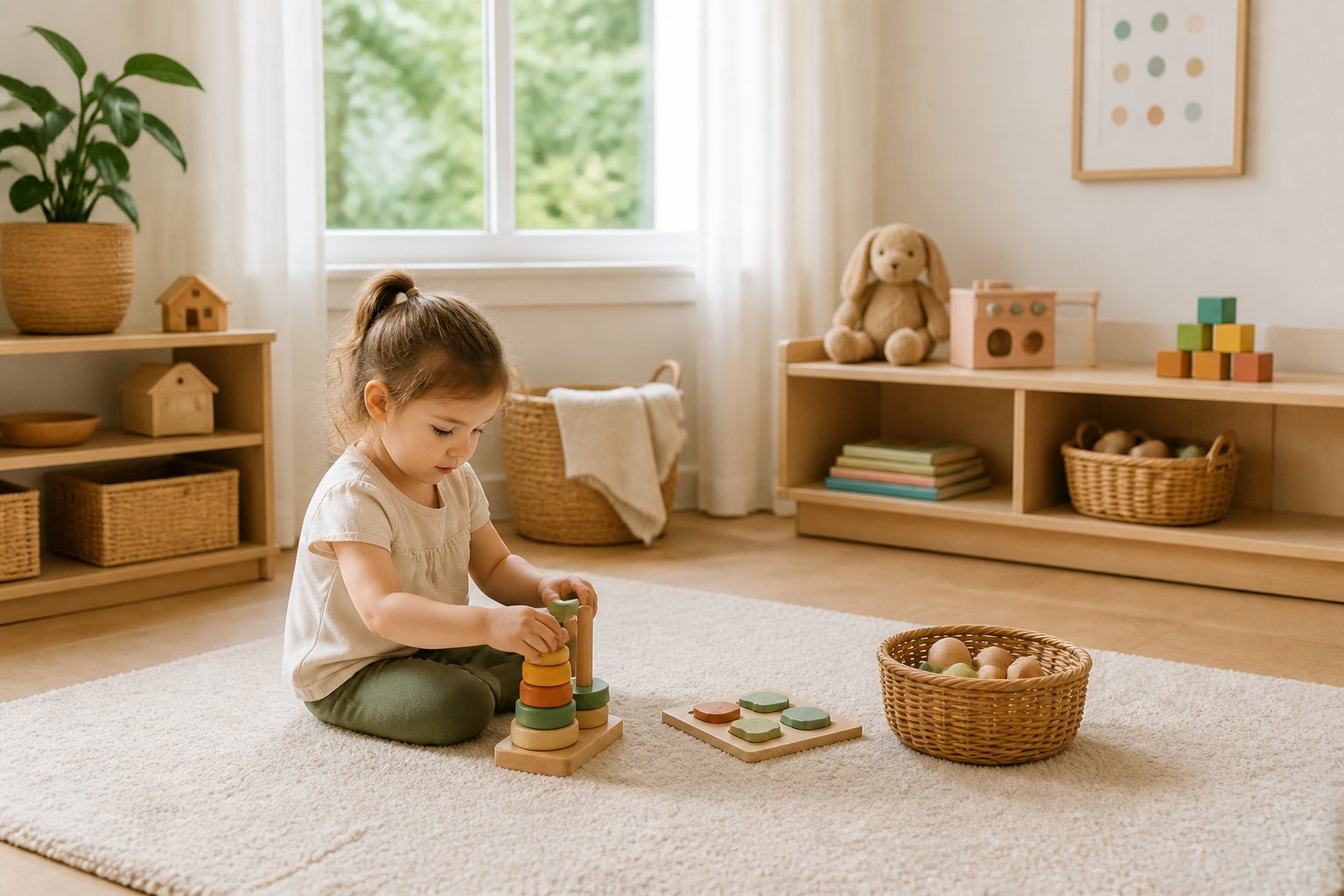
Creating the right atmosphere is the first step to successful quiet play. A calm environment helps signal to your toddler that it’s time to wind down. The goal is to create a dedicated quiet space that feels safe and inviting, free from the usual hustle and bustle.
When you intentionally reduce distractions, you help your child avoid sensory overload and better engage with the activity at hand. Always ensure the area is safe for young children, especially if they will be enjoying independent play that requires less supervision.
Choosing the Right Space for Quiet Sensory Activities
How do you create a calming environment with sensory activities for your toddler? Start by selecting a dedicated quiet space in your home. This could be a cozy corner of their bedroom, a nook in the living room with soft pillows, or even a small tent. The key is to make it feel special and separate from their main play area.
To enhance the calm, try dimming the lights or playing soft background music. Avoid areas with screens or loud toys that could pull their attention away from quiet play. This space should be a signal for rest and relaxation, helping your child transition more easily into a peaceful state of mind.
It’s also a good idea to limit the number of available activities. Offering just two or three simple options prevents your toddler from feeling overwhelmed by choice. A small basket with a book, a puzzle, and a few stacking blocks is plenty for a successful quiet time.
Simple Tips to Reduce Overstimulation for Toddlers
Helping your toddler avoid sensory overload is key to successful quiet time. The goal is to create a predictable and soothing routine that supports their emotional regulation. If your child is feeling overwhelmed, their ability to settle down and play quietly will be limited.
A few simple adjustments can make a huge difference. Try incorporating these tips into your daily schedule, especially around nap time or when you notice your little one is becoming fussy or overexcited.
- Keep it screen-free. Screens can be overstimulating and interfere with relaxation.
- Limit choices. Offer only two or three quiet activities at a time.
- Create a routine. Having quiet time at the same time each day helps your child know what to expect.
- Allow for boredom. Don’t feel the need to fill every second. Boredom can encourage your toddler to rest or play imaginatively.
Everyday Calm Sensory Play Ideas
You don’t need fancy toys to create meaningful sensory experiences. Many wonderful quiet time activities can be set up using items you already have at home. These ideas provide gentle sensory input and encourage independent play, giving you and your toddler a much-needed break.
By offering a few different activities, you can follow your child’s lead and see what engages them most on any given day. From squishy dough to soft fabrics, these simple ideas are perfect for creating moments of calm.
Soft Playdough and Simple Sensory Bin Activities
Playdough is a classic for a reason. Its soft, pliable texture is perfect for quiet, tactile exploration, which helps develop fine motor skills. You can make your own or use a store-bought variety. Add a play mat and invite your toddler to roll, squish, and create.
Wondering how to set up a simple sensory bin that isn’t too loud? The key is to choose quiet fillers. A sensory bin doesn’t have to be noisy or messy to be effective.
- Fill a small bin with cotton balls or pom-poms and add scoops or tongs.
- Use dry pasta or beans for a gentle scooping and pouring activity.
- Create a simple water bin with a few drops of food coloring and some plastic cups.
These different activities provide a focused, calming experience that engages your child’s sense of touch without creating a lot of noise.
Exploring Fabrics and Textures for Gentle Play
Exploring different textures is a fantastic and quiet way to provide sensory input. You can easily create a “treasure basket” filled with various fabric swatches for your toddler to touch and feel. This is a great way to use items you may already have at home.
Gather pieces of silk, velvet, corduroy, felt, and wool. Let your child explore the different feelings—smooth, bumpy, soft, and rough. You can talk about how each one feels, or just let them enjoy the quiet exploration. This simple activity encourages focus and tactile discovery.
You can also turn this into a matching game. Cut two squares of each fabric and place them in a basket. Your toddler can then work on finding the matching pairs. These different activities offer a wonderful opportunity for gentle play and learning.
Quiet Sensory Games and Activities for Focus
Some sensory activities are perfect for helping your toddler develop focus and concentration. These quiet games often involve sorting, matching, or building, which strengthens fine motor skills and encourages problem-solving. They are great for promoting independent play.
By providing a clear goal, these activities capture your child’s attention without being overstimulating. They can also spark imaginative play as your toddler creates stories around the objects they are using. Let’s look at a few ideas that build focus through quiet fun.
Matching Games Using Household Objects
Matching games are incredibly easy to set up and are a great option for quiet time. These activities are perfect for toddlers who get easily overwhelmed because they are simple, repetitive, and have a clear objective. You can use a variety of items you already have around the house.
This kind of focused play encourages cognitive development and can be a gateway to imaginative play. For example, after matching pairs of animal figures, your toddler might start making them walk and interact.
Here are a few simple matching games you can prepare:
- Match colorful pairs of socks.
- Sort and match paint samples from the hardware store.
- Use picture cards or pairs of their favorite small toys.
This type of independent play helps your child build confidence as they successfully complete the task on their own.
Puzzles and Sorting Activities for Sensory Play for Focus
Puzzles are a classic quiet time activity that helps build focus. For toddlers, choose puzzles with large, chunky pieces or knobs that are easy to grasp. The tactile feedback of fitting a piece into its correct spot provides a satisfying and calming sensory experience. This type of sensory play sharpens problem-solving skills and fine motor control.
Sorting activities also do a wonderful job of helping toddlers concentrate. Give your child a container of large buttons, colorful blocks, or even different types of pasta and ask them to sort by color, shape, or size. This simple task requires focus and can keep a toddler peacefully engaged.
Pairing these activities with picture books can extend the quiet time. After completing a puzzle of farm animals, you can read a book about a farm, reinforcing themes in a calm, connected way.
Mindfulness-Based Sensory Calming Ideas
Introducing simple mindfulness practices can create deeply calm experiences for your toddler. These activities are designed to help your child connect with their body and breath, promoting relaxation in a gentle and playful way. They are perfect for quiet time or as a transition before a nap.
By bringing a sense of awareness to the present moment, you can help your toddler learn to self-regulate and find their inner calm. Let’s explore a couple of mindfulness-based ideas that are easy to try at home.
Guided Breathing with Bubbles
Did you know you can use bubbles to teach your toddler mindful breathing? This simple and fun activity is a great way to introduce the concept of slow, controlled breaths. All you need is a bottle of bubble solution and a wand.
Show your child how to take a slow, deep breath in and then blow out just as slowly to create big, beautiful bubbles. If they blow too fast, the bubbles will pop right away. This gives them immediate feedback and encourages them to slow down their breathing.
This practice is wonderfully calming and helps with relaxation. It’s a playful way to manage energy and is perfect for winding down before a nap. What a fun mindfulness-based quiet sensory activity to try with your toddler!
Story Time with Sensory Props for Calm Experiences
You can transform regular story time into one of your go-to calm experiences by adding simple sensory props. This method enhances engagement while keeping the activity peaceful. As you read picture books, provide related objects for your toddler to hold and explore.
For instance, if you’re reading a book about the beach, offer a large seashell to touch. If the story is set in a forest, let them feel a smooth stone or a textured pinecone. This adds a gentle layer of sensory input that connects them more deeply to the story without causing overstimulation.
This approach makes story time a multi-sensory activity that is both engaging and soothing. It’s an excellent calming sensory play idea for toddlers during quiet time, helping them focus their attention and settle their bodies.
Gentle Water and Nature Play Indoors
Bringing elements of water and nature indoors can provide unique and calming sensory input. These activities don’t have to be messy to be effective. With a little preparation, you can create contained play experiences that allow your preschool-aged toddler to explore and recharge.
The gentle sound of pouring water or the interesting textures of natural objects can be incredibly soothing. These screen-free games provide a much-needed break from a busy day and allow your child to connect with the natural world in a peaceful setting.
Water Transfer Games with Cups and Spoons
Water transfer games are a fantastic screen-free sensory activity for toddlers. The simple act of scooping, pouring, and transferring water is both meditative and great for developing fine motor skills. All you need is a few basic supplies and a towel underneath to catch any spills.
Set up two bowls on a tray, one filled with a small amount of water and the other empty. Give your child different tools like cups and spoons to move the water from one bowl to the other. You can add a few drops of food coloring or some floating beads for extra visual interest.
This activity is wonderfully repetitive and allows your child to focus on a single task, which is very calming.
| Item Needed | How to Use |
|---|---|
| Two bowls | Place side-by-side; one with water, one empty. |
| Spoons/Ladles | For scooping and carefully transferring water. |
| Sponges | For soaking up water and squeezing it into the other bowl. |
| Small cups | For practicing pouring water between the containers. |
Nature Basket Exploration for Peaceful Toddler Play
Create a nature basket for some peaceful toddler play. This activity invites your child to explore the textures, smells, and shapes of the natural world in a calm and contained way. It is one of the easiest different activities to set up and provides endless opportunities for quiet discovery.
Simply gather a few safe, natural items on your next walk outside or in your backyard. Look for things with interesting textures, like a smooth, flat stone, a bumpy pinecone, a soft feather, or a large, sturdy leaf. Place these items in a small basket for your child to explore.
Your toddler can touch, smell, and examine each object at their own pace. This quiet exploration engages their senses gently and fosters a connection to nature. It’s a perfect activity to help your child wind down and enjoy a moment of peaceful play.
Screen-Free Sensory Calming Activities
In a world full of screens, offering screen-free activities is essential for helping toddlers relax. Quiet time is the perfect opportunity to put away the devices and engage in hands-on play that calms the mind and fights boredom.
Sensory bottles and light play are two wonderful options that are visually engaging without being overstimulating. These activities use simple materials like glitter and light to create mesmerizing effects that can hold a toddler’s attention and promote a sense of peace.
Soundless Sensory Bottles and Jars
Soundless sensory bottles are a great choice for quiet, visual stimulation. These mesmerizing jars are easy to make at home and can keep a toddler peacefully occupied as they watch the contents swirl and settle. They are one of the best quiet sensory activities you can do with your toddler at home.
To make one, find a clear, empty plastic bottle. Fill it with a mixture of water, clear glue or baby oil, and some visually interesting items. Make sure to glue the lid on tightly to prevent any leaks or spills.
Here are a few ideas for what to put inside:
- Glitter and water for a classic calming jar.
- Water, blue food coloring, and small plastic fish.
- Baby oil and water with small beads that will float between the layers.
Watching the elements slowly drift inside the bottle is incredibly relaxing and a perfect activity for quiet time.
Shadow Play and Light Table Fun
You can create magical moments of quiet play using just light and shadows. On a dim day or in a darkened room, use a flashlight to cast shadows on a wall. Show your toddler how to make hand puppets or use their favorite toys to create moving shapes. This simple activity sparks imaginative play and is completely silent.
If you have a light table, it’s a wonderful tool for calm sensory exploration. If you don’t, you can create a DIY version by placing a string of battery-operated fairy lights in a clear plastic bin.
Offer translucent materials like colored plastic blocks, magnetic tiles, or even colorful paint samples for your child to explore on the light table. The glowing colors are captivating and provide a gentle visual experience. This is a great suggestion for a quiet sensory activity that uses items you may already have.
Conclusion
In conclusion, creating calm sensory activities for toddlers not only encourages peaceful play but also supports emotional regulation and focus. By incorporating gentle textures, simple games, and mindful practices into your daily routine, you can foster a nurturing environment that promotes tranquility. Remember to prioritize a calming space, minimize overstimulation, and engage your little ones with soothing activities. These quiet moments can significantly enhance their well-being and help them develop essential skills. If you’d like personalized support in setting up calming play experiences for your child, don’t hesitate to get a free consultation with our experts.
There’s a ton to explore on Feral Toddler
Click below to find the hub you need, whether you’re dealing with toddler play, sleep, meals, or tantrums.
Frequently Asked Questions
What are some calming activities for toddlers who get easily overwhelmed?
For toddlers who are easily overwhelmed by sensory overload, try activities in a quiet space that offer gentle play. Exploring different activities like sorting soft pom-poms, looking through picture books, or squishing playdough can provide relaxation. These simple tasks help them focus without being overstimulating.
How do I set up a quiet sensory bin using everyday items?
To set up a quiet sensory bin, fill a small container with soft fillers like cotton balls, fabric scraps, or dry pasta. You can also use water with a few drops of food coloring. Add scoops and cups for pouring. These different activities are great for independent play but always require supervision.
Which sensory calming ideas help with toddler focus during quiet time?
To help with focus during quiet time, offer activities with a clear goal. Chunky puzzles, sorting games, and simple matching activities are excellent choices. These tasks require concentration, build fine motor skills, and can encourage imaginative play, all while keeping the environment calm and peaceful.





Leave a Reply