

Key Highlights
- Sound sensitivity in young children is a common concern, where everyday sounds seem overwhelming.
- This sensitivity can manifest as covering ears, tantrums, or avoiding noisy environments.
- It’s important to distinguish between normal toddler fears and a consistent pattern of sound sensitivity, which could indicate a sensory issue.
- Underlying causes can range from how the brain processes sensory input to conditions like hyperacusis.
- At-home strategies and professional support from an occupational therapist can help manage your child’s response to sound.
- Understanding your toddler’s reaction to everyday sounds is the first step toward providing the right support.
Introduction
Does your toddler cover their ears and get distressed by sounds like the vacuum cleaner or a flushing toilet? You’re not alone. Many parents notice their young children reacting strongly to everyday noises. While this can sometimes be a normal developmental phase, it can also be a sign of sensory issues. Understanding why your child reacts this way is crucial. This heightened response to sensory input might mean their brain is having a tough time processing sounds that others find manageable.
Common Sounds That Overwhelm Sensitive Toddlers
Many toddlers with sound sensitivity react strongly to noises adults barely notice. Recognizing patterns can help you prepare your child before the sound happens.
- Hand dryers in public bathrooms
- Vacuum cleaners and blenders
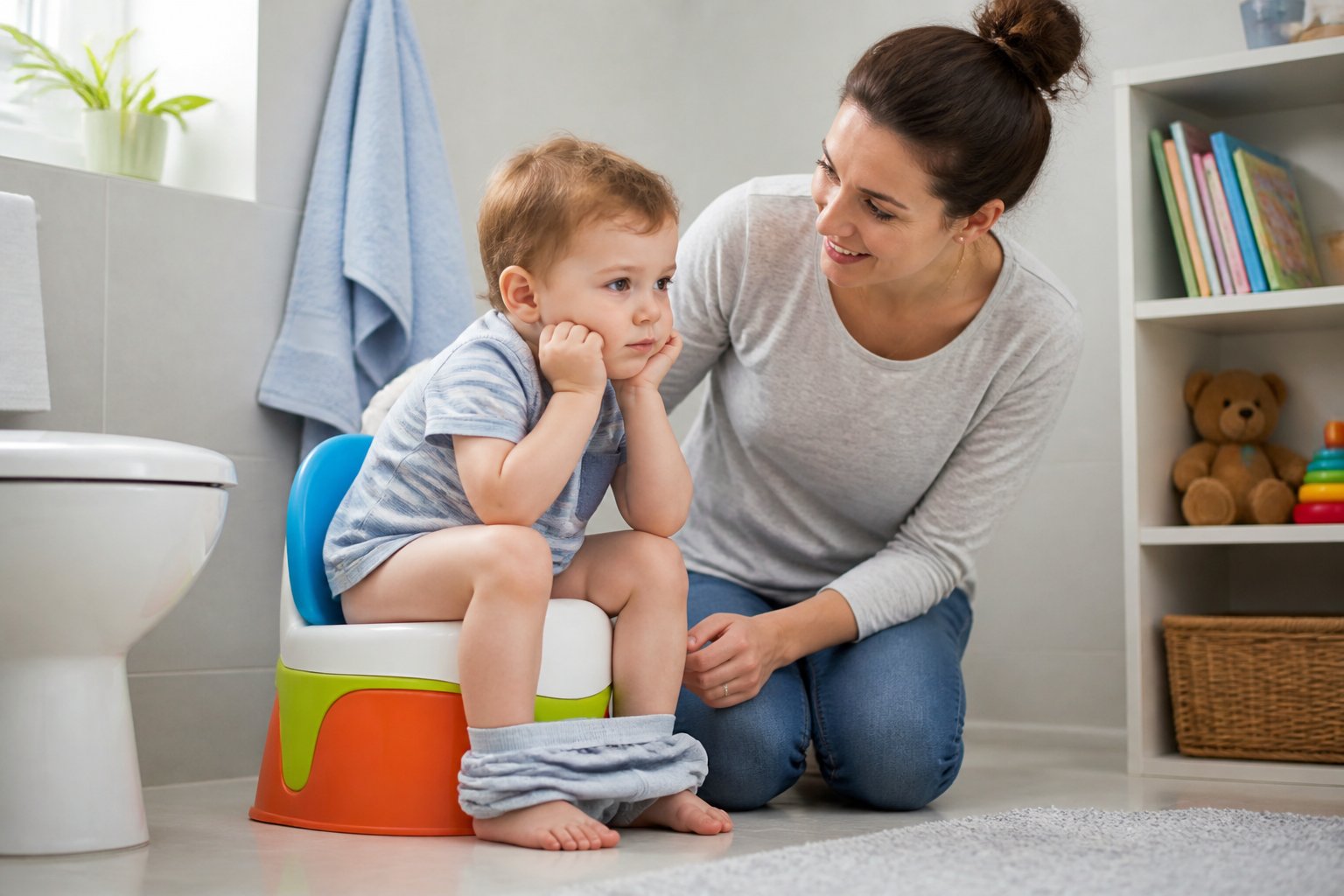
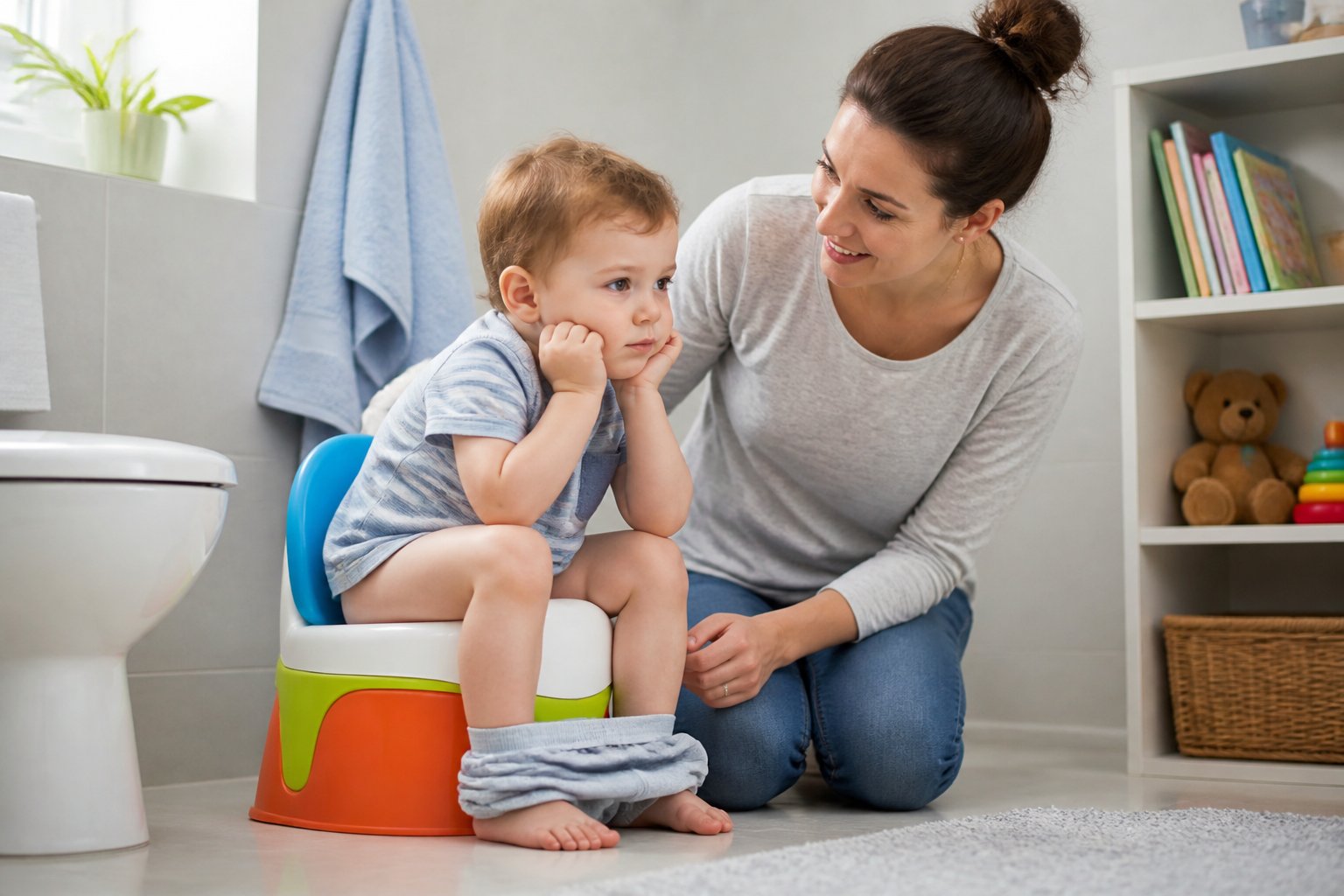
- Toilet flushing sounds
- Birthday parties and crowded restaurants
- Movie theaters or school assemblies
- Fire alarms, sirens, and fireworks
- Dogs barking unexpectedly
Helpful reminder: Your child is not being dramatic or difficult. Their nervous system may genuinely experience these sounds as overwhelming.
Understanding Noise Sensitivity in Toddlers
When a toddler gets upset by loud noises, it’s often because their brain is processing the sensory input differently. What seems like a normal sound to you might feel intensely overwhelming to them, leading to sensory overload. Their brain might be amplifying everyday sounds, making noisy environments feel painful or frightening.
This reaction could indeed signal a sensory processing issue. Instead of just a dislike, it’s an uncomfortable and sometimes distressing experience. Let’s look closer at what this sensitivity looks like and the reasons behind it.
What Does Noise Sensitivity Look Like in Young Children?
Observing your child’s behavior is key to understanding their sound tolerance. Noise sensitivity isn’t just about disliking a loud bang; it’s a consistent pattern of strong emotional responses to sounds that most people can ignore. These reactions happen because their brain struggles to handle the incoming sensory information.
The symptoms can vary, but they often involve visible distress and avoidance. Your child is not trying to be difficult; they are genuinely overwhelmed by their environment.
You might notice specific behaviors that point toward sound sensitivity, including:
- Covering their ears frequently, especially during routine events.
- Having meltdowns or tantrums when exposed to specific noises.
- Complaining that noises “hurt their ears” or head.
- Showing fear or anxiety about going to places they associate with loud sounds, like a public bathroom.
How to Prepare a Sensitive Toddler for Loud Environments
Small adjustments before noisy situations can prevent meltdowns and reduce anxiety.
- Tell your child what sounds to expect before arriving.
- Bring noise-reducing headphones for unpredictable environments.
- Allow breaks outside or in quieter spaces.
- Avoid stacking multiple overstimulating activities in one day.
- Keep snacks and water available since hunger worsens sensory overload.
- Stay calm yourself because toddlers often mirror parent stress.
Pro tip: Many sensitive toddlers do best when they know exactly what is coming next.
Why Some Toddlers Are More Sensitive to Sound
The reasons for heightened sound sensitivity in toddlers often relate to how their nervous systems are wired. For some, it’s a feature of a neurological condition where the brain has difficulty processing sensory input from the environment. This isn’t a hearing problem but a processing one.
A dislike of loud noises can be a sign of sensory processing disorder (SPD), where the brain misinterprets everyday sensory information. Children with SPD might overreact to sounds because their brain perceives them as louder or more threatening than they actually are.
Furthermore, sound sensitivity is a common trait in children with autism spectrum disorder. It can also be associated with other conditions like anxiety or ADHD. Understanding these links is vital for getting your child the right kind of support and recognizing that their reaction is rooted in their unique neurobiology.
Common Signs of a Sensory Sensitive Toddler
A sensory-sensitive toddler will often show clear signs of distress in response to noise. Their behavior is their way of communicating that they are experiencing sensory overload. These reactions go beyond a simple startle; they are consistent and disruptive to daily life. A child with low sound tolerance may have trouble in environments that others find perfectly normal.
Recognizing these patterns is the first step toward helping your child manage their sensory processing difficulties. Let’s explore the specific behaviors to watch for and learn how to tell the difference between typical fears and true sound sensitivity.
Toddler Covering Ears and Other Behaviors to Notice
When a toddler frequently covers their ears, it’s a classic sign of distress from everyday noises. This is a direct attempt to block out the overwhelming sensory input. While some children might be sensory seeking, actively looking for more stimulation, a sound-sensitive child does the opposite—they try to escape it.
When Noise Sensitivity Is Part of a Bigger Sensory Pattern
Some toddlers only react to loud sounds. Others show a wider pattern of sensory overwhelm across noise, textures, movement, and busy environments.
If your child often covers their ears, avoids noisy places, or melts down around sudden sounds, you may also notice signs of a sensory avoiding toddler.
Noise sensitivity can also show up during daily routines. Some toddlers become more upset after daycare, during transitions, or after a long overstimulating day.
When sound sensitivity keeps happening alongside covering ears around loud sounds, it can help to look at your child’s whole sensory picture.
These sensory issues can manifest in various ways beyond just covering the ears. A child might become upset, try to run away from the source of the noise, or have a full-blown meltdown. This isn’t “bad behavior” but a reaction to feeling overwhelmed and unable to cope.
Keep an eye out for these common signs:
- Intense emotional reactions, like anger or anxiety, to specific sounds.
- Avoiding certain places, like school assemblies or shopping centers.
- Difficulty concentrating in noisy settings.
- Complaints of physical discomfort like ear pain when exposed to noise.
Distinguishing Normal Fears From Sound Sensitivity
Many toddlers go through phases of being afraid of loud, sudden noises like fireworks or balloons popping. This is a normal part of development. The key difference lies in the frequency and type of sounds that trigger a reaction. A child with sound sensitivity will react to a wide range of everyday sounds, not just the loud and unexpected ones.
The behavior of a sound-sensitive child is driven by how their brain processes sensory input, not a simple fear. Their emotional responses are tied to a persistent and uncomfortable experience that impacts their everyday life. If your child’s reactions disrupt family routines or cause significant distress on a daily basis, it might be more than a typical fear.
While some children may outgrow a simple fear of noises, a true sensitivity linked to sensory processing often requires support and coping strategies. It’s not “bad behavior” but an involuntary reaction to an overwhelming world.
Exploring the Causes of Toddler Sound Sensitivity
There are several possible causes behind a toddler’s sensitivity to sound. Often, it’s related to how their brain processes auditory information. This can be part of a neurological condition like sensory processing disorder, where the brain essentially “turns up the volume” on everyday sounds, causing them to feel overwhelming.
In some cases, a more specific hearing disorder could be at play. Understanding the different reasons for this sensitivity, from broad processing differences to specific conditions like hyperacusis, can help you find the most effective way to support your child.
Sensory Processing Differences and Their Role
Sensory processing issues are at the heart of why many toddlers react strongly to noise. Their brains have difficulty organizing and responding to the sensory information they receive through their ears. This can lead to what’s known as auditory over-responsiveness, a subtype of sensory processing disorder (SPD).
In children with SPD, sounds that most people find tolerable can feel intrusive, frightening, or even painful. This is not a choice or a behavioral problem but a genuine neurological response. Their dislike of loud noises is a direct symptom of their brain struggling to manage the sensory input.
These sensory challenges are also common in other neurodevelopmental conditions, such as autism spectrum disorder (ASD) and ADHD. A child with these conditions may find it difficult to filter out background noise, leading to feelings of being overwhelmed and anxious in busy environments.
What Is Hyperacusis in Children?
Hyperacusis is a hearing disorder where everyday environmental sounds seem painfully loud and uncomfortable. It’s not a hearing problem in the traditional sense; in fact, children with hyperacusis often have normal hearing. The issue lies in how their brain interprets the loudness of sounds, causing a decreased sound tolerance.
This condition can explain why a toddler reacts so strongly to noises like a vacuum, a blender, or a flushing toilet. For a child with hyperacusis, these sounds may cause actual pain, pressure, or a ringing in the ears known as tinnitus. It can occur in one or both ears and may develop suddenly or over time.
While many young kids have a temporary sensitivity to sound, hyperacusis is a more persistent and severe condition.
| What Hyperacusis Is | What Hyperacusis Is Not |
|---|---|
| An increased sensitivity to ordinary sounds. | A problem with the ability to hear (hearing loss). |
| The brain perceiving sounds as louder than they are. | Simply disliking certain sounds (like in misophonia). |
| A condition that can cause pain or discomfort. | A normal developmental fear of loud noises. |
| Often associated with other conditions like tinnitus. | A behavioral choice to be difficult. |
At-Home Strategies for Supporting a Noise Sensitivity Toddler
Supporting a toddler with sensory processing issues at home is all about creating a sense of safety and predictability. You can make a big difference in their everyday life by implementing simple strategies that reduce auditory stress. From modifying their environment to introducing gentle sensory activities, your approach can help them build coping skills.
The goal isn’t to eliminate sound but to help your child manage it. Gentle exposure and calming techniques can work together to improve their comfort around noises. Let’s look at how you can create a calmer space and gradually help your child get used to everyday sounds.
Creating a Calmer Environment for Your Child
One of the most effective ways to help your noise-sensitive toddler is to make their home a sensory sanctuary. This means reducing the amount of sudden, unpredictable background noise. Lowering the volume on the TV or radio can make a significant difference in preventing overwhelm and reducing negative emotional responses.
Playing soft music or using a white noise machine can also be helpful. This creates a consistent and calming auditory backdrop, which can make sudden loud sounds less jarring and surprising.
Here are a few ways to create a calmer atmosphere:
- Warn your child before you make a loud noise, like starting the vacuum.
- Provide a designated quiet space where they can retreat and recover.
- Teach simple calming techniques like deep breathing to help them manage stress.
- Ensure they get enough sleep, as fatigue can worsen sound sensitivity.
Gentle Ways to Help Toddlers Get Used to Everyday Sounds
Gentle desensitization can help your toddler build tolerance to sounds over time. This process involves controlled and predictable sound exposure, always ensuring your child feels safe. Never force them to endure a noise that is upsetting them; the goal is empowerment, not fear.
One great strategy is to use social stories. These are simple narratives that explain a situation and what to expect, like “When we go to the bathroom, we will hear the toilet flush, and it will be loud for a moment.” This preparation can reduce anxiety.
Consider these gentle sensory activities:
- Let your child make their own loud noises, such as banging a pot or playing with a noisy toy.
- Use auditory integration therapy, where you listen to music together at varying volumes.
- Explain what a sound is and where it’s coming from to demystify it.
- Use noise-canceling headphones or earplugs for particularly stressful outings, but avoid overusing them at home.
When to Seek Help for Your Toddler’s Sound Sensitivity
While many toddlers have brief phases of sound sensitivity, it’s time to seek professional help when the issue consistently disrupts your child’s daily life. If their reactions are severe, frequent, and affecting their ability to participate in family, school, or social activities, it’s a sign that more support is needed.
Consulting with clinicians like your pediatrician, an occupational therapist, or an audiologist can provide clarity and a path forward. These professionals can help determine the underlying cause and recommend effective strategies. Let’s review the specific signs that indicate professional support is necessary.
Signs That Professional Support May Be Needed
It can be hard to know when a toddler’s behavior crosses from a typical phase into something that requires professional support. For sound sensitivity, the key indicators are the intensity and impact of their reactions. If your child is in frequent distress due to noise, it’s a clear signal to seek guidance.
When sensory overload leads to significant behavioral issues or causes your child to avoid essential activities like school or family gatherings, intervention is crucial. These are not just tantrums; they are cries for help from a child whose sensory system is overwhelmed.
Consider seeking professional help if you notice the following:
- The sensitivity is ongoing and not improving with time.
- Your child consistently avoids places or activities they once enjoyed.
- Teachers or caregivers have expressed concern about their reactions to noise.
- The sensitivity is significantly affecting their emotional well-being and daily functioning.
Assessments and Support Options for Sensory Sensitive Toddlers
If you decide to seek help, the first step is usually a visit to your pediatrician. They can rule out any medical issues and refer you to the right specialists. An audiologist can conduct a comprehensive hearing test to check for conditions like hyperacusis and rule out hearing loss. An otolaryngologist (ENT) may also be involved if there are concerns about the physical structure of the ear.
One of the most common and effective forms of support for sensory issues is occupational therapy (OT). An occupational therapist can assess your child’s unique sensory profile and create a personalized plan. This plan might include a “sensory diet” of activities designed to help their nervous system process sound more effectively.
Other therapies, such as cognitive behavioral therapy (CBT), can help older children manage the anxiety associated with noise. The goal of these professional interventions is to provide your child with the tools and support they need to navigate a noisy world more comfortably.
Conclusion
In summary, understanding and addressing noise sensitivity in toddlers is crucial for their emotional well-being. Sensory sensitivity can manifest in various ways, impacting their daily experiences and interactions. By recognizing the signs of sound sensitivity and implementing at-home strategies, parents can create a supportive environment that helps their child navigate their world more comfortably. If you notice persistent challenges or if your toddler’s sensitivity impacts their quality of life, don’t hesitate to seek professional guidance. Your child’s comfort and happiness are paramount, and appropriate support can make all the difference. Remember, you’re not alone in this journey—there are resources and experts available to help you every step of the way.
Frequently Asked Questions
Is toddler sound sensitivity related to behavioral challenges?
Yes, sound sensitivity is often linked to behavioral issues. When a child experiences sensory overload from noise, it can cause significant distress, leading to behaviors like tantrums or avoidance. These are not acts of defiance but are reactions to feeling overwhelmed, which is a common feature of sensory processing disorder.
Can toddlers outgrow their sensitivity to loud noises?
Some toddlers may outgrow mild sound sensitivities as their sensory processing abilities mature. However, for children with underlying neurodevelopmental conditions, the sensitivity may persist. Their emotional responses and behavior can improve significantly with coping strategies and support, enhancing their ability to manage noise.
What professional therapies are available for noise-sensitive toddlers?
Occupational therapy (OT) is a primary form of support for toddlers with SPD. An OT provides sensory therapy to help children better process sounds. An audiologist can diagnose conditions like hyperacusis and may recommend sound therapies. These professionals work together to create a comprehensive support plan.




Leave a Reply