
These quiet activities for 3 year olds are designed to actually hold attention and give you a break. In this post we’ll look at:
- simple quiet play ideas that require minimal set-up
- activities for independent time so you can actually get things done around the house
Key Highlights
- Discover a variety of activity ideas perfect for your three-year-old’s quiet time.
- Learn how to create quiet time boxes to keep activities fresh and exciting.
- This list includes great quiet time activities that are screen-free and low-prep.
- These suggestions are a great way to help your child wind down after play or before nap time.
- Find mess-free options that promote independent play and creativity.
- Help your child recharge without relying on screen time, making rest time more peaceful.
Introduction
Finding ways to help your active three-year-old wind down can be a challenge. Quiet time is a wonderful addition to your daily routine, offering a peaceful break for both you and your child. It helps them transition from energetic play to a calmer state, especially before nap time or bedtime. These moments of quiet allow little hands to stay busy with simple, engaging activities that encourage rest and relaxation, helping everyone recharge for the rest of the day.
There’s a ton to explore on Feral Toddler
Click below to find the hub you need, whether you’re dealing with toddler play, sleep, meals, or tantrums.

12 Easy Quiet Activities for 3 Year Olds You’ll Love
When your toddler drops their nap, it doesn’t mean they no longer need downtime. Introducing a structured quiet time is a great option to ensure they get the rest they need. Having a rotation of engaging and simple activity ideas can make this transition smoother and more enjoyable for your little one.
These activities are designed to be independent, allowing your child to explore and play on their own. From creative crafts to simple building toys, you’ll find plenty of inspiration to make quiet time a fun and anticipated part of your child’s day. Let’s explore some easy activities you can try.
1. Story Time With Picture Books
Setting aside a small basket of books is a perfect choice for quiet time. Picture books with detailed illustrations can capture a child’s imagination for long periods. If your toddler is prone to ripping pages, stick with sturdy board books, which are easier for them to handle. This makes reading time a calm and independent activity.
Interactive books, like those with flaps or different textures, are also a fantastic option. They engage your child’s sense of touch and curiosity, making the experience more immersive. You can also introduce an audiobook to accompany the physical book, which helps your child follow along with the story and gives them an audio cue for how long rest time will last.
This simple activity is a great way to entertain your three-year-old at home without resorting to screen time. It fosters a love for reading and provides a peaceful break in their busy day.
2. Mess-Free Water Painting
Are you looking for a great quiet activity without the cleanup? Mess-free water painting is a fantastic solution. These special books come with a “pen” that you fill with water. As your child “paints,” vibrant colors appear on the page, and then they magically disappear as the page dries, ready to be used again.
This activity is perfect for little hands and requires very low prep. You don’t have to worry about spilled paint or stained clothes, making it a stress-free option for both of you. It’s an engaging way for your child to practice their fine motor skills while enjoying a creative outlet.
Here are some other mess-free alternatives for quiet time:
- Doodle Board: A magnetic drawing board allows for endless drawing and erasing.
- Etch A Sketch: This classic toy is another great screen-free drawing tool.
- Color Wonder Books: These use special markers that only show up on the provided paper.
3. Simple Puzzles and Matching Games
Puzzles are a wonderful independent activity for quiet time. For a three-year-old, choose puzzles with chunky pieces or knobs that are easy for small hands to grasp. This helps build their confidence and fine motor skills. Ensure the puzzle isn’t so difficult that they get frustrated, but challenging enough to keep them engaged.
Matching games are another excellent quiet activity. You can easily create your own by using items from around the house. This encourages them to observe details and find patterns on their own.
Here are a few ideas for simple matching games:
- Matching pairs of colorful socks.
- Sorting large buttons by color or shape.
- Pairing picture cards of animals or objects.
These different activities are great for independent play, as they don’t require your direct supervision once your child understands the concept. Avoid puzzles with too many little pieces that can be a choking hazard.
4. Sticker Collage Creations
If you need a simple and engaging activity for rest time, stickers are a fantastic choice. Creating a sticker collage on a piece of construction paper can keep a three-year-old happily occupied. Look for stickers that are easy for little fingers to peel, like dot stickers or puffy stickers.
Sticker books are also a great option, especially those with reusable stickers. These often have scenes where your child can place and rearrange the stickers, telling their own stories. This type of play sparks creativity and is perfect for quiet, independent fun.
Here are a few ways to use stickers for a fun quiet time:
- Give them a sheet of dot stickers and paper to create patterns.
- Use reusable sticker pads with different backgrounds.
- Provide a themed sticker book that aligns with their interests, like animals or vehicles.
5. Building With Soft Blocks or Magna-Tiles
Building toys are a great way to encourage independent play during quiet time. Soft blocks are a safe and silent option, perfect for a calm environment. Your child can stack, sort, and build without making a lot of noise, allowing them to focus on their creation.
Magna-Tiles are another excellent screen-free choice that both younger and older kids love. The magnetic sides make it easy for toddlers to connect the shapes and build simple structures. For quiet time, you might want to provide just a small set of about 10 tiles to avoid overwhelming them and keep the play contained.
These open-ended toys foster creativity and problem-solving skills. Unlike a magnetic drawing board, which is great for 2D creation, blocks and Magna-Tiles allow for 3D building, offering a different kind of hands-on experience that is perfect for quiet exploration.
6. Sensory Bottles Exploration
Sensory bottles are a fantastic quiet activity that can mesmerize a child. These sealed bottles are filled with various materials that swirl and float when shaken, providing visual stimulation without any noise. They are a great tool for helping a child calm down and focus, making them suitable for many different personalities.
You can easily make your own sensory bottles at home. Just find a clean, empty plastic bottle and fill it with interesting items. Be sure to glue the lid on tightly to prevent any spills or messes. The combination of water, oil, and glitter creates a slow, relaxing motion when shaken.
Sensory bottles can be customized to your child’s interests. Here are a few simple ideas:
| Bottle Theme | Materials Needed |
|---|---|
| Ocean in a Bottle | Water, blue food coloring, baby oil, small plastic sea animals |
| Glitter Galaxy | Water, clear glue, lots of glitter, a few small star-shaped confetti |
| Floating Fun | Water, colorful pom poms, small beads |
7. Lacing Beads and Threading
Lacing and threading activities are excellent for developing fine motor skills and concentration. For a three-year-old, use large wooden or plastic beads with big holes and a thick shoelace with a knot at one end. This setup makes it easier for them to succeed without getting frustrated.
Another fun and simple option is threading pony beads onto pipe cleaners. The stiffness of the pipe cleaners makes them much easier for small hands to handle than a floppy string. Your child can create colorful bracelets or interesting sculptures while practicing their hand-eye coordination.
This activity is a perfect addition to a quiet time basket. It’s self-contained, doesn’t make a mess, and can keep a child engaged as they focus on the repetitive motion of threading the beads. You can find many different lacing kits or simply create your own with supplies you have at home.
8. Playdough Fun With Cookie Cutters
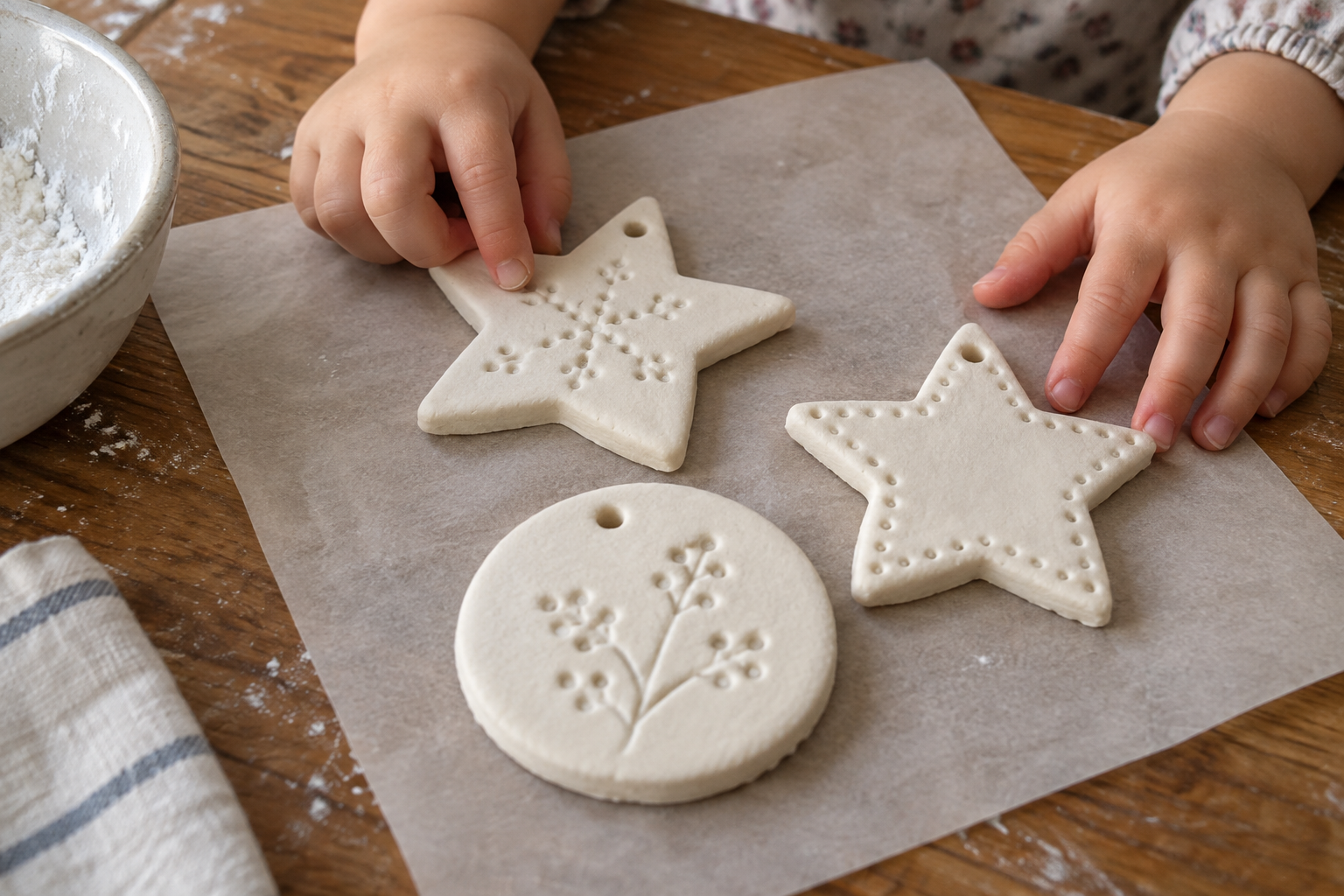
Playdough is a classic and versatile fun activity that’s perfect for quiet time. The soft, squishy texture is great for little hands and provides a wonderful sensory experience. It’s an activity that children can enjoy independently, allowing them to roll, flatten, and shape the dough however they please.
To add another layer of fun, provide a few cookie cutters. Your child can practice pressing the shapes into the playdough and creating their own designs. This simple addition can extend the playtime and keep them engaged for longer, making it a reliable choice for the pre-nap time wind-down.
This activity is a favorite in many parent groups because it’s both calming and creative. It requires minimal setup and can be contained to a small tray for easy cleanup. Just make sure the playdough and tools are age-appropriate and non-toxic.
9. Sorting and Color Matching Activities
Sorting is a great quiet activity that encourages focus and helps develop early math skills. There are many different ways to set up a sorting game using items you already have. For example, you can give your child a pile of colorful pom poms and a few bowls, asking them to sort them by color.
Color matching is another engaging option. You can use paint swatches from a hardware store, colored blocks, or even pairs of socks. The goal is to provide a simple task that your child can complete on their own, which helps build their confidence and encourages independent quiet time.
This type of activity is highly adaptable. You can sort by size, shape, or texture, keeping the challenge fresh and interesting. It’s a quiet, hands-on way for your preschooler to learn and play independently.
10. Listening to Audiobooks or Calm Music
A wonderful screen-free activity for quiet time is listening to an audio book or a calm music playlist. This can help create a relaxing atmosphere and encourage your child to rest and recharge. Many libraries offer children’s audiobooks for free through apps, or you can find them on various streaming services.
Choosing a calm story or a soothing podcast can help your child wind down without being overstimulated. Some children enjoy just zoning out to the sound, while others might like to look at a picture book while the audio book plays. This can be a great way to fill the designated minutes of quiet time.
This activity is especially helpful for children who have a hard time settling down. The continuous sound can provide a comforting background, making it easier for them to relax their bodies and minds. It’s an easy way to introduce a period of rest into their day.
11. Felt Board Storytelling
A felt board with various felt shapes is one of the great quiet time activities for encouraging creativity and storytelling. Your child can move the felt pieces around the board to create scenes and tell their own stories. This is a fantastic independent activity because there’s no right or wrong way to play.
Similar to a quiet book, a felt board is tactile and engaging. You can buy pre-made felt sets with themes like animals, shapes, or characters from favorite stories, or you can cut out your own simple shapes from felt sheets. It’s an activity that can grow with your child as their storytelling skills develop.
This is a perfect option for downtime, as it is completely silent and allows your child to become immersed in their imagination. It’s easy to set up and provides a wonderful outlet for self-expression without needing any help from you.
12. Gentle Yoga or Stretching Moves
For a child who has a hard time sitting still, gentle yoga or stretching can be a great option for rest time. This provides a constructive outlet for their energy while still promoting a sense of calm. You can teach your child a few simple poses, like “cat-cow” or “downward dog,” and practice them together initially.
To encourage independent practice, consider using yoga cards with easy-to-follow pictures. This allows your child to choose their own poses and move through them at their own pace. It’s a great way to help them connect with their body and learn how to wind down before a nap or bedtime.
This activity helps transition an active child into a more restful state. Even just a few minutes of stretching can make a big difference in helping them settle, making it one of the best activities to incorporate before rest time.

Conclusion
In conclusion, incorporating quiet activities into your toddler’s routine not only helps them develop important skills but also fosters a sense of calm and creativity. From story time to sensory exploration, these activities provide opportunities for independent play while keeping their minds engaged. By introducing a variety of fun and easy options, you can create a peaceful environment that encourages learning and self-discovery. Remember, the goal is to cultivate a love for quiet time while supporting your child’s development in a nurturing way. If you’re looking for more ideas or personalized suggestions, feel free to reach out for assistance!
Frequently Asked Questions
How can I set up a quiet time bin or basket for my 3 year old?
To set up a quiet time bin, choose a few engaging and independent activities your toddler can do on their own. Rotate the items in the quiet time basket weekly to keep things interesting. Include different activities like puzzles, books, or a small building set to make quiet time something to look forward to.
What are the best independent quiet activities for a 3 year old?
The best activities for independent play are those that are open-ended and don’t require help. A quiet book, reusable sticker books, simple puzzles, and a felt board are all excellent choices. These activities allow your child to use their imagination and stay engaged without needing your constant supervision.
Can you suggest tips for encouraging independent quiet time for preschoolers?
To encourage independent quiet time, start with short periods and gradually increase the minutes of quiet time. Use a visual timer so your preschooler knows when rest time will end. Keep the rules simple and consistent, and praise them for successful downtime to build positive associations with playing alone.
Looking for additional resources outside of Feral Toddler? Check these out:

Leave a Reply