
If you need toddler activities at home that are quick, simple, and actually work, these ideas are easy to set up and don’t require a ton of effort.
In this post:
- low-prep toddler activities you can do anytime
- ideas for different energy levels
- simple ways to keep toddlers engaged at home
Introduction
Keeping a toddler busy and happy around the house can feel like a full-time job. You want to offer engaging experiences but might not always have the time or energy for elaborate setups. This guide is for you. Whether you’re looking for simple sensory play, a bit of creative play, or just some fresh inspiration, you’ve come to the right place. We’ve gathered some of our favorite engaging toddler activities that are low-prep, low-mess, and perfect for keeping your little one entertained indoors.
There’s a ton to explore on Feral Toddler
Click below to find the hub you need, whether you’re dealing with toddler play, sleep, meals, or tantrums.

Simple and Easy Toddler Activities You Can Try at Home Today
Are you searching for fresh inspiration to keep your toddler engaged? You don’t need fancy toys or complicated plans to have much fun. Many creative activities can be set up quickly with items you already have at home, providing new ways to play and learn without a huge mess.
These activity ideas are perfect for those moments when you need a quick solution to boredom. From energetic indoor activities to quiet, focused tasks, there’s something here for every toddler. Let’s explore some simple and easy options you can try right now.
1. DIY Indoor Obstacle Course Using Cushions and Chairs
Transform your living room into an adventure zone with a simple indoor obstacle course. All you need are some cushions, pillows, and chairs from around the house. Arrange them in different ways to create tunnels to crawl through, mountains to climb over, and paths to balance on. This is a fantastic way to burn off some toddler energy, especially on a rainy day.
You can make it even more exciting by incorporating some of your child’s favorite toys. Perhaps they need to rescue a stuffed animal from the top of a “cushion mountain” or drive their toy cars along a designated route. This encourages imaginative play and problem-solving.
This activity is not just fun; it also helps develop gross motor skills like climbing and crawling. Plus, setting up and changing the course can be part of the game, letting your toddler’s creativity shine while they build their own play space.
2. Sensory Bin Play With Rice or Pasta
A sensory bin is a classic and effective way to engage a toddler’s senses. You don’t need anything elaborate; a small bin or container filled with uncooked rice or pasta works perfectly. This simple sensory play activity allows your child to explore textures by scooping, pouring, and running their hands through the materials.
To add a splash of excitement, you can use a few drops of food coloring to dye the rice or pasta beforehand. Just mix it in a bag and let it dry. Add some spoons, cups, and small toys to the bin for endless possibilities of play.
This type of play is wonderful for developing fine motor skills and encouraging independent exploration. It’s a contained activity that can keep your little one occupied while you handle other tasks nearby, offering a fantastic sensory experience without a huge mess.
3. Easy Sticker Sorting Games
Stickers are like magic for toddlers. An easy way to turn this fascination into a learning game is with sticker sorting. All you need is a sheet of stickers and a piece of paper. You can use dot markers to create colored circles on the paper and ask your toddler to match the stickers to the corresponding colors.
This activity is fantastic for strengthening fine motor skills as your toddler’s little hands work to peel the stickers off and place them on the paper. You can also sort by shape or size, depending on the stickers you have. Even simple sticker books can provide hours of quiet fun.
Another fun twist is using contact paper. Tape a piece to the wall with the sticky side out and let your child stick various items to it, like cut-up paper or pom-poms. This provides a unique tactile experience and keeps them engaged.
4. Water Play With Measuring Cups in the Sink
Never underestimate the power of water play. One of the simplest, low-mess ways to do this is right at your kitchen sink. Place your toddler on a sturdy stool, fill the sink with a bit of water, and give them a set of plastic measuring cups, spoons, and small bowls.
They will have a blast pouring, scooping, and measuring. This is a great way to introduce early math concepts like volume and capacity in a fun, hands-on manner. You can also add a few drops of soap to create bubbles for extra excitement.
Since the play is contained within the sink, cleanup is a breeze. If you’re worried about spills, you can place a towel on the floor. For a mess-free alternative, you can fill a Ziploc bag with water and a few small toys, seal it tightly, and let your toddler squish it around.
5. Creative Story Time With Favorite Books and Puppets
Take your daily reading session to the next level with a bit of creative play. Grab one of your toddler’s favorite books and bring the story to life using puppets. You don’t need fancy store-bought puppets; simple sock puppets or even just using stuffed animals as characters will do the trick.
Act out the scenes from the book, using different voices for each character. Encourage your child to join in by giving them a puppet to control. This interactive approach helps improve their comprehension and listening skills while making story time more dynamic and engaging.
This activity is perfect for young children as it sparks their imagination and helps them connect with stories on a deeper level. It’s a wonderful way to spend quality time together and foster a lifelong love of reading with minimal prep.
6. Homemade Playdough Creations
Playdough is a fantastic tool for sensory activities and creative expression. While it can sometimes get messy, you can manage the chaos by setting clear boundaries. Give your child a ball of playdough, a small rolling pin, a plastic knife, and a few cookie cutters on a tray or placemat.
Making your own playdough is a low-cost activity in itself, and you likely already have the ingredients (flour, salt, water, oil) in your pantry. Let your toddler help mix the ingredients for an extra layer of fun. Their little fingers will love squishing, rolling, and cutting the dough.
With the right setup, a playdough session doesn’t have to be a complete disaster. It can be a wonderfully calming activity that keeps your toddler focused and engaged, allowing them to strengthen their hand muscles and explore their creativity.
7. Sorting Laundry by Color or Type
Looking for an activity that occupies your toddler and helps you get a chore done? Involve them in sorting the laundry. This simple task is a practical way to teach important concepts right at home. You can ask your toddler to help you sort clothes by color, putting all the whites in one pile and the darks in another.
Another way to play is by sorting by type of clothing—all the socks go here, and all the shirts go there. You can even have them match pairs of socks, which is a great puzzle for little minds. This activity helps with color recognition and categorization skills.
While it might not be as exciting as playing with color bears, it’s a task that uses similar sorting skills. It helps develop fine motor control as they pick up items of different sizes and textures. Plus, they feel like a big helper!
8. Simple Indoor Scavenger Hunt
An indoor scavenger hunt is one of the easiest creative activities to set up and offers endless fun. You don’t need a complicated list of clues. For a toddler, you can simply call out an object or a color and have them run to find it in the house. For example, “Find something blue!” or “Where is your teddy bear?”
For a different take, gather a container of random trinkets like buttons, small toys, or colorful pom-poms and hide them around a room. Give your toddler a small bin or bag and send them on a mission to find all the hidden treasures.
This game provides fresh inspiration for exploring their environment and can be adapted to any age. It gets them moving, thinking, and observing their surroundings in a new way, making it a perfect quick-to-set-up indoor game.
9. Dance Party With Toddler-Friendly Music
When you need a quick burst of energy and fun, nothing beats a dance party. This is one of the simplest and most favorite engaging toddler activities you can do. Just turn on some upbeat, toddler-friendly music and let loose in the living room. There’s no setup, no cleanup, and it guarantees much fun for everyone.
You can add props like scarves or ribbons to make it more visually stimulating. Games like “freeze dance,” where everyone freezes when the music stops, add an extra layer of excitement and help toddlers practice their listening skills and self-control.
A dance party is one of the best indoor activities for getting wiggles out, especially when you can’t go outside. It’s a wonderful way to connect with your child, be silly together, and fill the house with laughter and music.
10. Matching Game With Everyday Household Items
You can create a simple and effective matching game using everyday household items. Gather pairs of common objects like socks, shoes, spoons, or toy animals. Lay one of each item out and put the other half of the pairs in a basket. Ask your toddler to find the matching item from the basket.
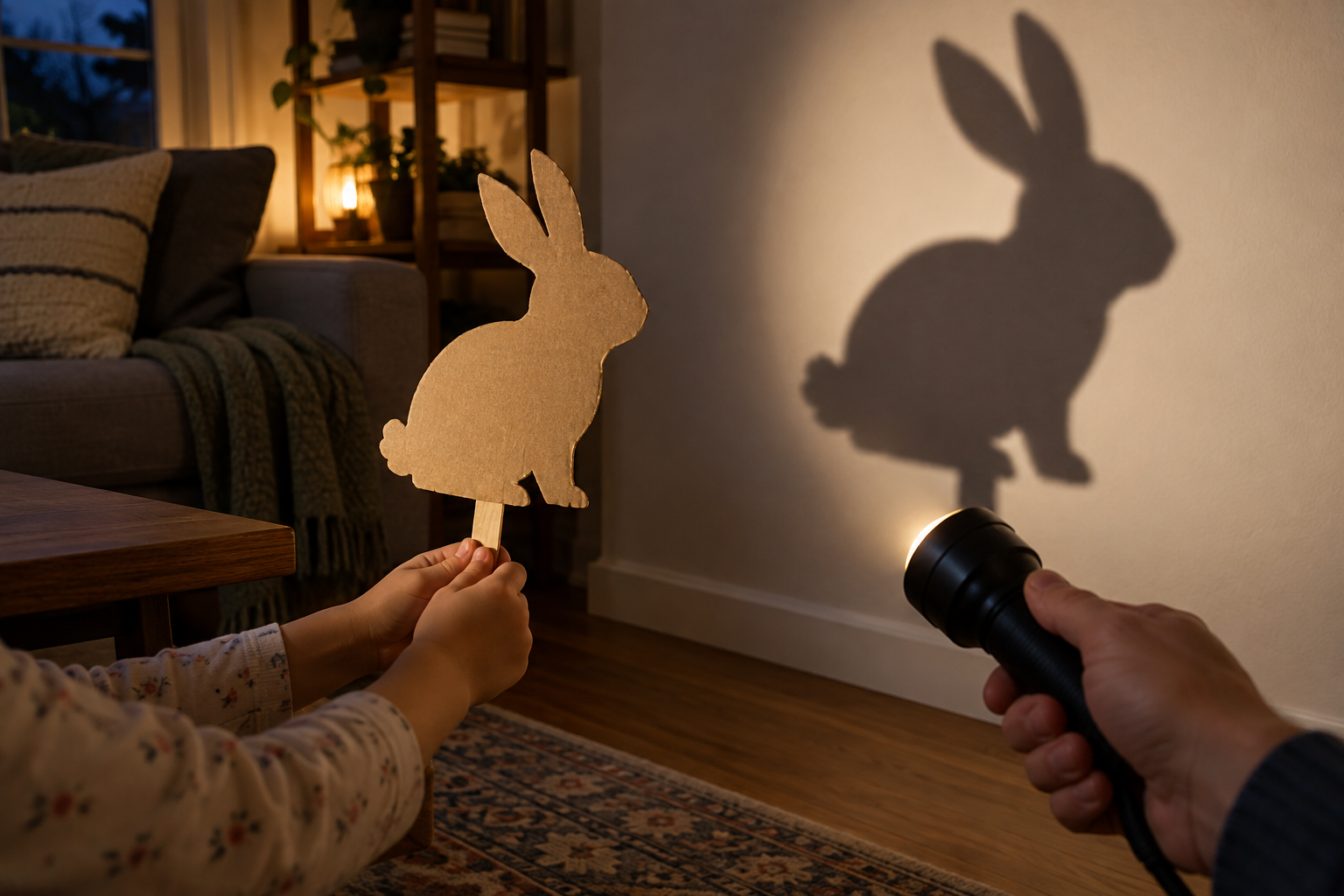
This is one of those activity ideas that can be adapted in many different ways. For an extra challenge, you can trace the outline of the items on a large piece of paper and have your child match the object to its shadow. This helps with shape recognition and problem-solving.
This game is great for developing cognitive skills and fine motor control. It shows that you don’t need special supplies to create a meaningful learning experience; sometimes the best tools are the ones you already have.
Fun Learning Activities for Toddlers at Home
Learning doesn’t have to feel like a formal lesson, especially for toddlers. Many creative activities naturally incorporate educational elements. By focusing on hands-on exploration and play, you can introduce concepts like letters, numbers, and nature in a way that feels fun and engaging.
These learning activities are simple to prepare and can often be done alongside older kids. They help build important foundational skills, from fine motor control to a curiosity about the world. Let’s look at a couple of ideas that blend play with learning.
Alphabet and Number Recognition With Flashcards
Flashcards can be more than just a drill tool; they can be the foundation for several fun games. For alphabet recognition, you can lay out a few letter flashcards and ask your toddler to find the first letter of their name. You can also play a matching game by having two sets of cards.
To make it more interactive, use dot markers to have your child stamp dots on a specific letter or number you call out. This combines letter recognition with a fun art activity that also builds fine motor skills.
Another idea is to use the flashcard as a guide for chalkboard drawing. Show them the letter “O” and encourage them to draw big circles on a chalkboard. This hands-on approach makes learning letters and numbers a playful experience rather than a chore.
Nature Collage Using Leaves and Flowers From the Backyard
Combine outdoor activities with creative play by making a nature collage. Start with a short walk around your backyard to collect interesting leaves, flowers, twigs, and blades of grass. This is a great opportunity to talk about nature and the different textures and colors you find.
Once you have your collection, give your child a piece of paper and a glue stick. Let them arrange and glue their natural treasures onto the paper to create a beautiful collage. This is one of those craft projects that requires very little prep but yields a lovely result.
If you don’t have a backyard, you can adapt this activity using different materials like scraps of tissue paper, fabric, or yarn. The goal is to let your toddler explore different materials and express their creativity, turning simple items into a work of art.
Conclusion
In conclusion, engaging your toddler in simple and easy activities at home can significantly nurture their development while providing endless fun. From DIY obstacle courses to creative playdough creations, these activities encourage learning through play, fostering essential skills such as fine motor development, problem-solving, and social interaction. By incorporating a variety of sensory experiences and interactive games, you not only keep your little ones entertained but also create lasting memories together. So, why wait? Start trying out these delightful activities today and watch your child’s imagination and curiosity flourish. To get personalized suggestions tailored to your child’s interests, don’t hesitate to reach out for a free consultation!
Frequently Asked Questions
What are some quick and mess-free activities for toddlers?
For quick, low-mess fun, try simple activities like building an indoor obstacle course with pillows, having a dance party, or playing with mess-free coloring books. Creative play with puppets and favorite books is also a great option. For contained sensory play, try a Ziploc bag filled with water and glitter.
How can I keep my toddler entertained indoors with minimal prep?
You can keep a busy toddler entertained with minimal prep by using what you have. Offer them a roll of painter’s tape to stick on the floor, give them a stack of plastic cups to build with, or set up a simple scavenger hunt. These activity ideas require little more than fresh inspiration for their little hands.
Are there any safe sensory play ideas for toddlers at home?
Yes! A sensory bin with dry pasta or rice is a safe option with supervision. You can also fill a Ziploc bag with a small amount of shaving cream or hair gel, seal it tightly, and let your toddler squish it. This provides a tactile sensory play experience without the mess and helps develop fine motor skills.
Looking for additional resources outside of Feral Toddler? Check these out:

Leave a Reply