
These painting activities for toddlers are simple to set up and help kids explore creativity without complicated prep.
In this post:
- easy painting ideas for toddlers
- low-mess options
- simple supplies and setups

Key Highlights
- Discover simple painting activities perfect for toddlers to do at home.
- Learn how creative activities can support your child’s motor skills development.
- Explore a fun way to introduce art to your toddlers for the first time.
- Find tips on using safe, washable materials and managing messy play.
- Get ideas for setting up an inviting art space that encourages creativity.
- These painting activities are designed to be engaging and enjoyable for little hands.
Introduction
Are you looking for a fun way to keep your little one engaged at home? Painting activities are a fantastic solution. They offer toddlers a wonderful opportunity to explore their creativity and develop important skills. You don’t need to be an expert artist or have a studio full of supplies. With a few simple materials, you can set up engaging creative activities that will provide hours of entertainment and learning. Let’s explore some easy and enjoyable painting ideas for your toddler.
There’s a ton to explore on Feral Toddler
Click below to find the hub you need, whether you’re dealing with toddler play, sleep, meals, or tantrums.
7 Simple Painting Activities for Toddlers at Home
Ready to dive into the colorful world of toddler art projects? These activities are designed to be simple, safe, and so much fun for little hands. You’ll find that many of these ideas use materials you might already have around the house, making them quick and easy to set up.
These art projects are not just about creating a masterpiece; they are about the experience. They help toddlers develop fine motor skills, explore different textures, and learn about colors. Get ready for some creative fun that your toddler will absolutely love.

1. Sponge Painting for Toddlers
Sponge painting is a classic activity for a reason—it’s incredibly fun and fantastic for sensory exploration. All you need are some sponges, washable paints, and paper. You can cut the sponges into different shapes like stars, circles, or squares to add an extra layer of learning.
Set up is a breeze. Just pour a small amount of different colored paints onto a simple paper plate. Your toddler can then dip the sponge into the paint and press it onto the paper. This type of messy play is perfect for younger children to explore textures and cause-and-effect. It’s a great way to let them get creative without worrying about perfect lines or shapes.
For this activity, you will need:
- Sponges cut into various shapes
- Washable paints in a few primary colors
- Paper or cardboard
2. Finger Painting Exploration
Finger painting is an excellent sensory activity that allows younger children to feel the paint and mix colors directly with their hands. It’s a classic form of process art, where the focus is on the act of creating rather than the final product. This hands-on experience helps develop sensory skills and is a joyful way for toddlers to express themselves.
To get started, you just need some washable, non-toxic finger paints and a large sheet of paper. You can tape the paper to a table or even the floor to keep it from sliding around. Encourage your child to dip their fingers in the paint and make swirls, dots, and lines. They’ll love seeing the vibrant colours appear on the page.
Here’s what you’ll need for this fun activity:
- Washable finger paints
- Large paper sheets or a roll of easel paper
- A smock or old clothes to keep your toddler clean
3. Bubble Wrap Printing
Have some leftover bubble wrap from a package? Don’t throw it away! You can turn it into a fantastic printmaking tool for your toddler. This activity is a fun way to introduce your child to different textures and the concept of printing. The popping sound and bumpy feel of the bubble wrap add an extra layer of sensory fun.
Simply cut a piece of bubble wrap, let your toddler paint on the bumpy side, and then press it onto a piece of paper. When they lift the bubble wrap, they’ll see a cool, textured pattern. You can try different ways of applying the paint, like using a brush or their fingers, to see how it changes the final print. It’s a creative use of everyday art materials.
For bubble wrap printing, gather these items:
- A piece of bubble wrap
- Washable paints
- Paper
4. Nature Stamping with Leaves and Flowers
Take your art session outdoors or bring a bit of nature inside with nature stamping. This activity uses everyday objects from your backyard, like leaves, flowers, and twigs, as stamps. It’s a wonderful way to connect your toddler with the natural world and spark new ideas for creating art.
Go on a little nature walk with your child and collect interesting leaves and flowers. Then, apply some washable paints to them and press them onto paper. Your toddler will be amazed at the beautiful and unique prints each natural item creates. This project is great for developing motor skill development as they learn to hold and press the different objects.
Here are the supplies for nature stamping:
- Various leaves, flowers, and small twigs
- Washable paints
- Paper or cardboard
5. Painting with Cotton Swabs
Painting with cotton swabs is a fantastic activity for developing fine motor skills. Holding the small swabs helps toddlers practice their pincer grasp, which is essential for writing later on. This is one of those painting activities that requires a bit more precision, making it a great challenge for little hands.
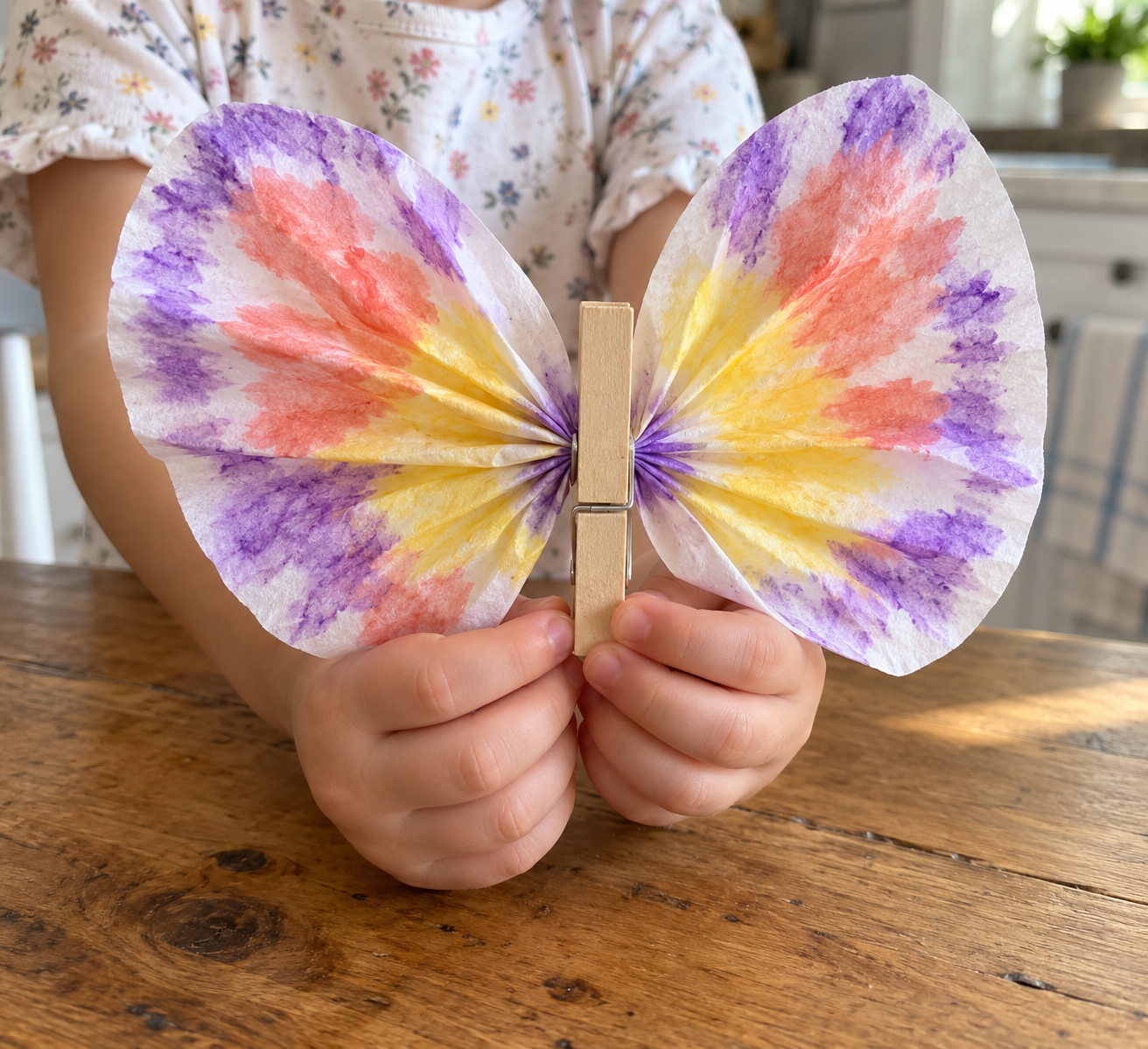
Provide your toddler with a few cotton swabs and small pots of paint. They can create dotted pictures, trace lines, or simply make marks on paper. It’s a quieter and less messy alternative to finger painting, but still offers plenty of room for creativity. You can use a variety of art materials like paper, cardboard, or even coffee filters for this project.
To set up this activity, you will need:
- Cotton swabs (Q-tips)
- Washable paints in different colors
- Paper or another surface to paint on
6. Tape Resist Art Projects
Tape resist art is a magical experience for toddlers. The big reveal at the end is always exciting! This process art activity involves placing tape on a piece of paper or cardboard, painting over it, and then peeling the tape off to reveal the clean lines underneath. It’s a wonderful way to create patterns, letters, or simple shapes.
You can use painter’s tape or washi tape for this project. Create a design on the paper, then let your toddler paint over the entire surface. Once the paint is dry, carefully peel off the tape to show the design. You can also use contact paper cut into shapes for a similar effect. These creative activities are always a hit.
Materials needed for tape resist art:
- Painter’s tape or contact paper
- Washable paint
- Paper or cardboard
7. Watercolor Spray Bottle Creations
For a truly unique painting experience, try using watercolors in a spray bottle. This activity is perfect for outdoor messy play and produces beautiful, abstract results. It’s also a great way to strengthen hand muscles as your toddler squeezes the spray trigger. You can experiment with new ideas by trying different colors and seeing how they blend.
Fill small spray bottles with water and a few drops of liquid watercolors or food coloring. Set up a large piece of watercolor paper on an easel or tape it to a fence outside. Let your toddler spray the colors onto the paper and watch them mix and run together. It’s a fantastic sensory experience with a beautiful outcome.
For this spray bottle activity, you’ll need:
- Small spray bottles
- Liquid watercolors or food coloring
- Watercolor paper
Tips for Setting Up Toddler Art Projects at Home
Setting up an art project for your toddler doesn’t have to be complicated or stressful for caregivers. The key is to be prepared. By creating a designated art space and using kid-friendly, washable paints, you can make the experience enjoyable for everyone. A little prep work goes a long way in ensuring a smooth and fun crafting session.
Below, we’ll go over some practical tips for choosing the right supplies, containing the mess, and creating an environment that inspires your little artist to explore and create freely.
Choosing Safe and Washable Materials
Selecting art materials that are both safe and washable is essential for a fun, stress-free experience with little hands. Non-toxic, washable paints are a great way to spark creativity without the worry of permanent stains. Look for items like Crayola watercolors or finger paints made for younger children. Also, consider using craft supplies such as foam, stickers, and glue sticks that are easy to clean up afterward. These choices not only promote motor skills but also make cleanup a breeze for caregivers.
Keeping Mess Contained and Clean-Up Easy
Creative activities can quickly become messy adventures, so keeping mess contained is key for caregivers. Using plastic tablecloths or large sheets of cardboard can create an easy-to-clean area for little hands to explore. After the fun, a simple solution is to use baby wipes or damp cloths to tackle spills. Stations for washing brushes and rinsing hands help in managing the chaos. Emphasizing fun ways to tidy up, like letting kids help is a fantastic way to encourage responsibility while ensuring cleanup feels like part of the play!
Creating an Inviting Art Space for Kids
A vibrant, inviting art space can inspire creativity in little ones. Using everyday objects like egg cartons, cardboard, and foam encourages exploration and play. Designate a specific area with washable paints, crayons, and craft sticks, ensuring everything is within reach of those curious little hands. Incorporating different textures, like bubble wrap or yarn, adds sensory fun. Personalizing the space with their artwork and cozy seating makes it feel special, turning it into a magical haven for all kinds of creative activities.
How Painting Activities Support Toddler Development
Painting is more than just a fun pastime for toddlers; it’s a powerful tool for their growth and development. As your child dips a paintbrush into color or squishes paint between their fingers, they are building crucial skills. These creative activities help enhance fine motor skills, cognitive abilities, and emotional expression in ways that are both enjoyable and educational.
For caregivers, understanding these benefits can make the messy moments feel even more worthwhile. From strengthening hand-eye coordination to learning about colors and cause-and-effect, painting plays a significant role in your toddler’s early development.
Building Motor Skills Through Fun Art Projects
Engaging in fun art projects offers a fantastic opportunity for toddlers to develop their fine motor skills. Simple activities like using paintbrushes or gluing different materials encourage children to practice grasping and manipulating tools with their little hands. Incorporating everyday objects, such as bubble wrap or coffee filters, into these projects adds an element of discovery and creativity. As they explore color and texture, toddlers not only create unique artwork but also boost their confidence and motor skills, setting a strong foundation for future crafting adventures.
Encouraging Creativity with Open-Ended Art Ideas for Toddlers
Exploring creativity through open-ended art ideas allows toddlers to express themselves freely. Offering materials like cardboard tubes, coffee filters, and craft sticks can spark imagination and lead to marvelous creations. When kids use washable paints, crayons, and loose parts, they engage in process art that enhances fine motor skills while they play. Activities such as printmaking with bubble wrap or using shaving cream provide much fun, making it easier for little hands to experiment without boundaries, leading to unique and vibrant artwork.
Conclusion
In summary, engaging your toddler in fun painting activities not only sparks their creativity but also supports essential developmental skills. From sponge painting to bubble wrap printing, each activity allows young artists to explore textures and colors while honing their motor skills. Remember, the goal is to foster an inviting art space where messes are part of the learning process. As you embrace these simple yet effective painting activities, keep in mind the benefits they bring to your child’s growth and self-expression. So, gather your materials and start creating beautiful art with your little one!
Frequently Asked Questions
What household items can I use for art projects for toddlers?
You can use many everyday objects for toddler art. Cardboard tubes, egg cartons, and bubble wrap make great building and stamping materials. Craft sticks, cotton swabs, and old sponges can be used as unique painting tools. Just add some non-toxic paint and glue, and you’re ready to create!
How do I introduce process art activities to my toddler?
The best way to introduce process art for the first time is to keep it simple and fun. Start with a low-mess activity like using stickers or paint sticks. The key is to focus on the fun way of exploring materials, not on making something perfect. Embrace the process and let your child lead.
What are the best painting activities for a group of toddlers?
For a group activity, large-scale projects are so much fun. Try mural painting on a big sheet of paper on the floor or wall. Using watercolors or washable foam paint can be great for a group, as they are easy to share and clean up. This is a great way to get every child in your preschool group involved.
Leave a Reply