
Key Highlights
Here are the key takeaways from our guide on movement breaks for active toddlers:
- Movement breaks are essential for toddlers to regulate their energy and improve focus.
- Understanding sensory seeking helps you provide the right kind of sensory input for your child.
- Simple activities like yoga poses and animal walks can help improve gross motor skills.
- Using a stuffed animal during breathing exercises makes calming down fun and engaging.
- Heavy work activities provide proprioceptive input, which helps calm the nervous system.
- A quick brain break can reset your toddler’s mood and prepare them for the next activity.
Introduction
Do you have a toddler who seems to have endless energy? It’s completely normal for toddlers to be constantly on the move. Their little bodies are still developing, and they are learning to understand the world through movement and exploration. Instead of trying to make them sit still, incorporating regular physical activity and movement breaks can be a game-changer. These breaks are not just about burning off energy; they are crucial for sensory processing, emotional regulation, and overall healthy development.
Why Some Toddlers Seem Unable to Sit Still
Constant movement is extremely common in toddlers because their nervous systems are still developing.
- Seeking sensory input through movement
- Developing gross motor skills
- Releasing built-up energy
- Learning through physical exploration
- Difficulty regulating emotions when overstimulated
For many toddlers, movement is not “bad behavior.” It is how they learn, regulate, and interact with the world around them.
Short movement breaks throughout the day can help active toddlers feel calmer, more organized, and better able to focus afterward. :contentReference[oaicite:0]{index=0}
Understanding Why Toddlers Can’t Sit Still
It often seems like toddlers have a motor that never stops running. This constant motion is a normal part of development and is linked to their sensory processing. Their nervous system is rapidly maturing, and they use movement to understand their bodies and surroundings.
Sometimes, this need for movement can look like hyperactivity. Repetitive movements, wiggling, and fidgeting are ways for toddlers to get the sensory input they need for emotional regulation. Understanding the “why” behind their restlessness is the first step in helping them manage their energy in a positive way. Let’s explore some of the typical behaviors and underlying factors.
Typical Behaviors in Active Toddlers
Active toddlers are explorers by nature, constantly testing their physical limits. You’ll often see them running, jumping, and climbing on just about everything. This isn’t just random energy; it’s how they build essential gross motor skills. Every leap off the couch and every sprint across the yard is a step toward better coordination and strength.
This high level of physical activity is also a toddler’s primary way of learning and engaging with the world. It’s a green light for development, signaling that their brain and body are making new connections. Through movement, they also learn about social interaction, taking turns on the slide, or chasing a friend in a game of tag.
To channel this energy productively, you can introduce simple calming activities. Try having them lie on their back and place a favorite stuffed animal on their belly. Ask them to breathe deeply and watch the toy rise and fall. This focuses their attention and helps them learn to control their breathing, providing a simple way to relax at home.
Signs of Sensory Seeking in Toddlers
Is your toddler always touching things, making loud noises, or crashing into furniture? They might be a “sensory seeker.” This means their sensory systems need more intense sensory input than other children to feel regulated. This is a common aspect of development, though in some cases, it can be related to sensory processing disorder.
Meeting these sensory needs is key to helping them feel calm and organized. A sensory seeker isn’t being “bad”; they are simply trying to get the input their brain and body crave. Animal walks are a great way to do this. Having your child pretend to be a bear, crab, or frog provides deep pressure to their joints and muscles in a fun, playful way.
Look for these common signs of sensory seeking:
- Constantly moving, jumping, or spinning
- Enjoying rough-and-tumble play
- Touching everything and everyone
- Chewing on non-food items like shirt collars or toys
- Making loud noises or enjoying loud sounds
Easy Movement Breaks for Active Toddlers
- Animal walks like bear crawls or crab walks
- Jumping onto couch cushions or crash pads
- Yoga poses like Downward Dog or Child’s Pose
- Pushing a laundry basket filled with pillows
- Quick dance parties or balloon games
Heavy work activities that involve pushing, pulling, lifting, or climbing provide calming proprioceptive input to the nervous system.
Simple movement breaks can help toddlers transition more successfully between meals, quiet time, learning activities, and bedtime routines. :contentReference[oaicite:1]{index=1}
Factors Contributing to Hyperactivity
The term hyperactivity is often used to describe kids with a lot of energy, but several factors can contribute to this behavior. A child’s developing nervous system plays a significant role. It’s constantly processing information, and for some kids, this can lead to an overload that manifests as constant motion.
For children with special needs or those who are highly sensitive, the world can be an overwhelming place. Their hyperactivity might be a response to too much stimulation or an attempt to self-regulate. Establishing consistent routines and habits can provide a sense of security and predictability, which can help calm an overactive nervous system.
Creating a “sensory diet” can be incredibly helpful. This is a personalized plan of activities that provides the sensory input a child needs throughout the day. For sensory integration, yoga poses like Downward Dog or Child’s Pose offer deep pressure and stretching, which are very calming. Similarly, heavy work activities like pushing a toy box or carrying groceries engage the muscles and joints, helping to organize the brain.
The Importance of Movement Breaks for Kids
Movement breaks are more than just a chance to wiggle; they are a vital component of a child’s day. These short bursts of physical activity are crucial for brain development, helping to improve focus and attention when it’s time to learn. They give a child’s brain the reset it needs.
Furthermore, movement is a powerful tool for emotional regulation and building resilience. When children move their bodies, they develop better body awareness and learn to manage their feelings. It gives them a healthy outlet for frustration and energy, helping them navigate stress and anxiety more effectively. Let’s look closer at the specific benefits.
Signs Your Toddler Probably Needs a Movement Break
Movement breaks work best when you use them before your toddler completely melts down.
A few common signs your child may need movement or sensory input:
- Jumping on furniture repeatedly
- Crashing into people or cushions
- Getting louder and louder indoors
- Climbing everything in sight
- Rolling around during quiet activities
- Chewing on sleeves, toys, or random objects
- Suddenly becoming emotional or aggressive
Many toddlers who struggle to sit still are not trying to misbehave. Their bodies are often actively looking for input, pressure, movement, or stimulation to feel regulated.
Parents commonly notice these patterns in children showing broader sensory seeking behaviors throughout the day.
Using short movement breaks proactively often works much better than waiting until a toddler is already overwhelmed, dysregulated, or completely out of control.
Benefits of Movement for Brain Development
Physical activity is not just good for the body; it’s essential for a child’s brain development. When toddlers engage in gross motor activities like running, jumping, and climbing, they are building new neural pathways. This creates a strong foundation for higher-level learning and cognitive skills later in life.
Movement increases blood flow to the brain, delivering more oxygen and nutrients that support its function. This helps improve memory, attention, and problem-solving abilities. The link between physical activity and academic performance is well-documented, starting from these early years.
These essential skills are developed through play. Gross motor activities help calm active toddlers by providing an appropriate outlet for their energy. Instead of trying to suppress their need to move, channeling it into structured play helps them regulate their bodies and minds. This makes it easier for them to transition to quieter activities afterward.
How Movement Supports Sensory Integration
Sensory integration is the process by which our brain organizes sensory information from our body and the environment. For toddlers, movement is a primary way they achieve this. Activities that involve pushing, pulling, and jumping provide powerful proprioceptive input, which tells the brain where the body is in space.
Activities that involve balance and changes in head position, like swinging or spinning, provide vestibular input. This sense is key for balance, coordination, and feeling secure in one’s movements. When a child’s brain effectively processes this sensory input, they feel more organized and calm.
For optimal sensory integration, a mix of activities is best. Yoga poses are fantastic as they provide both proprioceptive input (pressure on joints) and vestibular input (balancing). Similarly, animal walks and jumping on a trampoline are excellent exercises that help organize the sensory system and calm the body.
Movement as a Tool to Manage Stress and Anxiety
Just like adults, toddlers can experience stress and anxiety, but they lack the words to express it. Movement offers a powerful, non-verbal way for them to release pent-up feelings. Physical activity releases endorphins, which have mood-boosting effects and can help alleviate feelings of anxiety.
Calming movement activities, in particular, teach children important skills for emotional regulation. When you guide your child through slow stretches or simple mindfulness exercises, you are teaching them how to tune into their bodies and calm their nervous systems. This is a skill they will use for the rest of their lives.
Incorporating deep breaths into movement is especially effective. For example, during a stretching activity, you can encourage your child to breathe in as they reach up and breathe out as they bend down. This simple practice combines the physical release of movement with the calming effect of controlled breathing, helping them manage moments of stress.
Designing Effective Movement Breaks
Creating effective movement breaks doesn’t have to be complicated. The key is to make them a natural part of your child’s daily routines. You don’t need a lot of fancy equipment or a huge amount of room; even a small, dedicated space can work.
The goal is to offer opportunities for both structured activities and free-form fun. Integrating movement into everyday tasks or setting aside specific times for group play can make a big difference. Let’s explore how to structure these breaks for the best results.
How Often Should You Offer Movement Activities
The ideal frequency of movement breaks depends on your individual child’s energy levels and sensory needs. A good starting point is to offer a short brain break every 20-30 minutes, especially during activities that require them to sit still, like mealtimes or car rides.
Observing your child is the best way to determine when a break is needed. Are they getting fidgety, losing focus, or becoming frustrated? These are all signs that their body needs to move. Building these breaks into your daily routine helps create predictability and builds resilience.
Here are some guidelines:
- Before tasks requiring focus (e.g., puzzles, story time).
- After periods of sitting still (e.g., after a car trip).
- When you notice signs of restlessness or frustration.
- As a transition between different activities (e.g., between playtime and cleanup time).
- In the morning to wake up the body and again in the afternoon to release built-up energy.
Choosing Age-Appropriate Activities
When planning movement breaks, it’s crucial to select age-appropriate activities. For toddlers, the focus should be on developing gross motor skills through fun, playful movements. Complicated rules or activities that require a lot of fine motor precision can lead to frustration.
Think simple and engaging. Use props like scarves, balls, or balloons to add an element of fun. Sensory seekers, in particular, benefit from activities that provide strong sensory feedback. Activities like jumping on cushions, rolling up in a blanket like a “burrito,” or pushing a heavy laundry basket are perfect for them.
Here are some age-appropriate ideas:
- Simple Puzzles: Large, chunky puzzles that engage the mind and hands.
- Building with Blocks: Encourages creativity and fine motor activities.
- Animal Walks: Imitating animals provides great proprioceptive input.
- Dancing: Turn on music and let them move freely.
- Obstacle Courses: Use pillows and toys to create a simple course.
Balancing Structured and Free-Form Play
A healthy balance between structured play and free-form play is essential for a toddler’s development. Structured activities, like following the leader or playing a simple game, help teach rules, listening skills, and social interaction. They provide a clear goal and can be a great way to introduce new skills.
On the other hand, free-form play allows for creativity, problem-solving, and independence. This is when your child gets to be in charge, whether they’re building a fort with blankets or creating their own dance moves. This type of play is crucial for developing imagination and self-confidence.
Try to incorporate both types of play into your day. You can get the whole family involved in a game of tag (structured) and then allow for quiet time with building blocks (free-form). Fun indoor activities like building an obstacle course or having a dance party are perfect for energetic kids and can be adapted for group play or solo fun.
Simple Calming Movement Activities at Home
You don’t need a gym or a large backyard to provide your toddler with calming movement opportunities. Many effective sensory strategies can be done right at home, even in small spaces. The focus is on slow, intentional movements that help regulate the nervous system.
Simple activities like stretching, deep breathing, and gentle yoga can work wonders. These movements help your child connect with their body and find a sense of calm. Let’s look at some easy ideas you can try today.
Yoga Poses for Young Children
Yoga is a fantastic way to introduce toddlers to mindfulness and body awareness. Forget perfect poses; the goal is to have fun and explore what their bodies can do. Use playful names for the poses, like “Cat-Cow” or “Downward Dog,” to make it more engaging.
These simple yoga poses help improve flexibility and strength while also providing calming sensory input. As your child holds a pose or moves between them, they are getting valuable feedback to their muscles and joints. This is a wonderful exercise for sensory integration.
Encourage them to take deep breaths as they move. This combination of movement and breath is a powerful tool for self-regulation.
- Downward Dog: Great for stretching the whole body and providing pressure through the hands and feet.
- Child’s Pose: A restful pose that is very calming and provides deep pressure.
- Tree Pose: A fun challenge for balance and focus.
- Cat-Cow Stretch: Helps with spine flexibility and coordinating breath with movement.
Animal Walks to Channel Energy
Animal walks are a playful and effective way to channel a toddler’s boundless energy. This activity is perfect for developing gross motor skills and providing the deep-pressure sensory input (proprioception) that many kids crave. It’s a fun game that’s also a powerful regulatory tool.
You can make it a game by calling out different animals and having your child mimic their movements. Race as bears, hop like frogs, or waddle like penguins. This is an activity that can be done anywhere, inside or out, and requires no special equipment.
This is a perfect calming activity for toddlers who have trouble sitting still because it gives their energy a purpose.
- Bear Walk: Walk on hands and feet, which provides great input to the shoulder and hip joints.
- Crab Walk: Sit down, put hands and feet on the floor, and lift the hips to walk sideways.
- Frog Jumps: Squat down low and leap forward.
- Snake Slither: Lie on the belly and wiggle across the floor.
Dancing to Music for Sensory Stimulation
Putting on some music and having a dance party is one of the most joyful ways to provide sensory stimulation. Dancing allows for a wide range of movements, from big, energetic jumps to slow, gentle sways. This variety helps with emotional regulation, as kids can match their movement to their energy level.
Music itself has a powerful effect on mood. Upbeat tempos can energize, while slower melodies can be calming. You can play games like “freeze dance,” where kids dance when the music is on and freeze when it stops. This helps with listening skills and impulse control.
Dancing is a fantastic indoor activity for energetic kids and can easily be adapted for group play.
- Use Scarves: Wave colorful scarves while dancing to add visual sensory input.
- Vary the Music: Play different genres and tempos to explore different moods and movements.
- Mirror Game: Face your child and have them copy your dance moves.
- Free Dance: Let them move however the music inspires them.
Fun Indoor Movement Ideas for an Energetic Toddler
Rainy days or small living spaces don’t have to mean a lack of physical activity. There are plenty of fun indoor movement ideas that can help an energetic toddler get their wiggles out. You can use everyday household items to create engaging and exciting challenges.
The key is to be creative and turn your living room into a temporary playground. These activities not only provide an outlet for energy but also help develop coordination, problem-solving skills, and imagination. Here are a few simple ideas to get you started.
Obstacle Courses with Soft Toys
Creating an obstacle course is a fantastic way to encourage creative play and physical movement, even in small spaces. Use pillows, cushions, blankets, and soft toys to design a path that your toddler can navigate. This activity is excellent for developing coordination and motor planning skills.
The course can be as simple or complex as you like. Have them crawl under a blanket “tunnel,” climb over a pile of pillows, and zig-zag around their favorite stuffed animals. It turns your living room into an adventure zone.
This is a perfect example of a fun and calming indoor activity because it provides structure to their movement.
- Crawl through a large cardboard box.
- Jump from one cushion to another, pretending the floor is “hot lava.”
- Walk along a line of tape on the floor to practice balance.
- End the course by crashing into a pile of soft toys or pillows.
Balloon Toss or Indoor Scavenger Hunt
A simple balloon toss can provide hours of entertainment and is a great gross motor activity. The slow, unpredictable movement of a balloon helps toddlers practice hand-eye coordination and tracking skills without the frustration of a fast-moving ball. It’s a gentle way to keep them moving and engaged.
An indoor scavenger hunt is another excellent option. Hide a few of their favorite toys or snacks around a room and give them clues to find them. This encourages problem-solving and movement as they search. It’s a great activity for social interaction if siblings or friends join in.
These activities are calming because they focus a toddler’s energy on a specific goal.
- Balloon Toss: Try to keep one or more balloons from touching the floor.
- Balloon Hockey: Use paper towel tubes to hit the balloon toward a goal.
- Color Scavenger Hunt: Ask them to find something blue, then something red, etc.
- Picture Hunt: Hide pictures of familiar objects and have them find the real thing.
Stretching and Jumping Games
Stretching and jumping games are fantastic for developing gross motor skills and providing intense sensory input. For hyper toddlers, jumping is one of the best activities as it provides a huge amount of proprioceptive feedback that is very organizing for the nervous system.
You can make stretching fun by turning it into a game. “Simon Says” is perfect for this—”Simon says reach for the sky!” or “Simon says touch your toes!” This makes them think about their body parts and how they move.
For jumping, a mini trampoline is a great investment, but simply jumping on the spot or over small objects works too.
- Jumping Jacks: A classic that’s great for coordination.
- Rocket Jumps: Crouch down low and then blast off into the air.
- Animal Jumps: Hop like a bunny or a kangaroo.
Heavy Work Activities and Proprioceptive Input
Have you heard of “heavy work”? It refers to any activity that involves pushing, pulling, or lifting, which activates the proprioceptive system. This type of proprioceptive input is incredibly calming and organizing for the nervous system. These sensory strategies are a powerful tool for helping toddlers regulate their bodies.
Heavy work activities give muscles and joints the strong feedback they crave. This can be especially helpful for children who seem disorganized, have a hard time focusing, or are constantly seeking intense sensory experiences. Let’s look at how to guide your child through these tasks and some specific examples.
Guiding Your Toddler Through Heavy Work Tasks
When introducing heavy work tasks, it’s important to make them feel like play or a helpful chore rather than a therapy session. The best way to do this is to get the whole family involved. When your toddler sees you carrying groceries or pushing a vacuum, they will naturally want to help.
Provide guidance and supervision to ensure safety, but let them feel the effort. The goal is for them to engage their muscles. You can turn everyday chores into opportunities for proprioceptive input. For example, have them “help” you push the laundry basket to the laundry room or carry a small bag of groceries from the car.
Simple verbal cues can help. Say things like, “Wow, you are so strong for pushing that box!” or “Can you help me carry this big book?” This positive reinforcement encourages them to participate and helps them build confidence in their physical abilities.
Examples of Heavy Work Activities for Sensory Seekers
Sensory seekers thrive on heavy work because it provides the intense sensory input they need to feel grounded. These activities don’t have to be complicated. Many can be incorporated into your daily routine.
The key is to find activities that involve resistance. Pushing against a wall, pulling a wagon, or carrying a stack of books are all excellent examples. Even some fine motor skills activities, like squishing play-doh, can provide heavy work for the hands.
Here are some specific examples that offer calming effects:
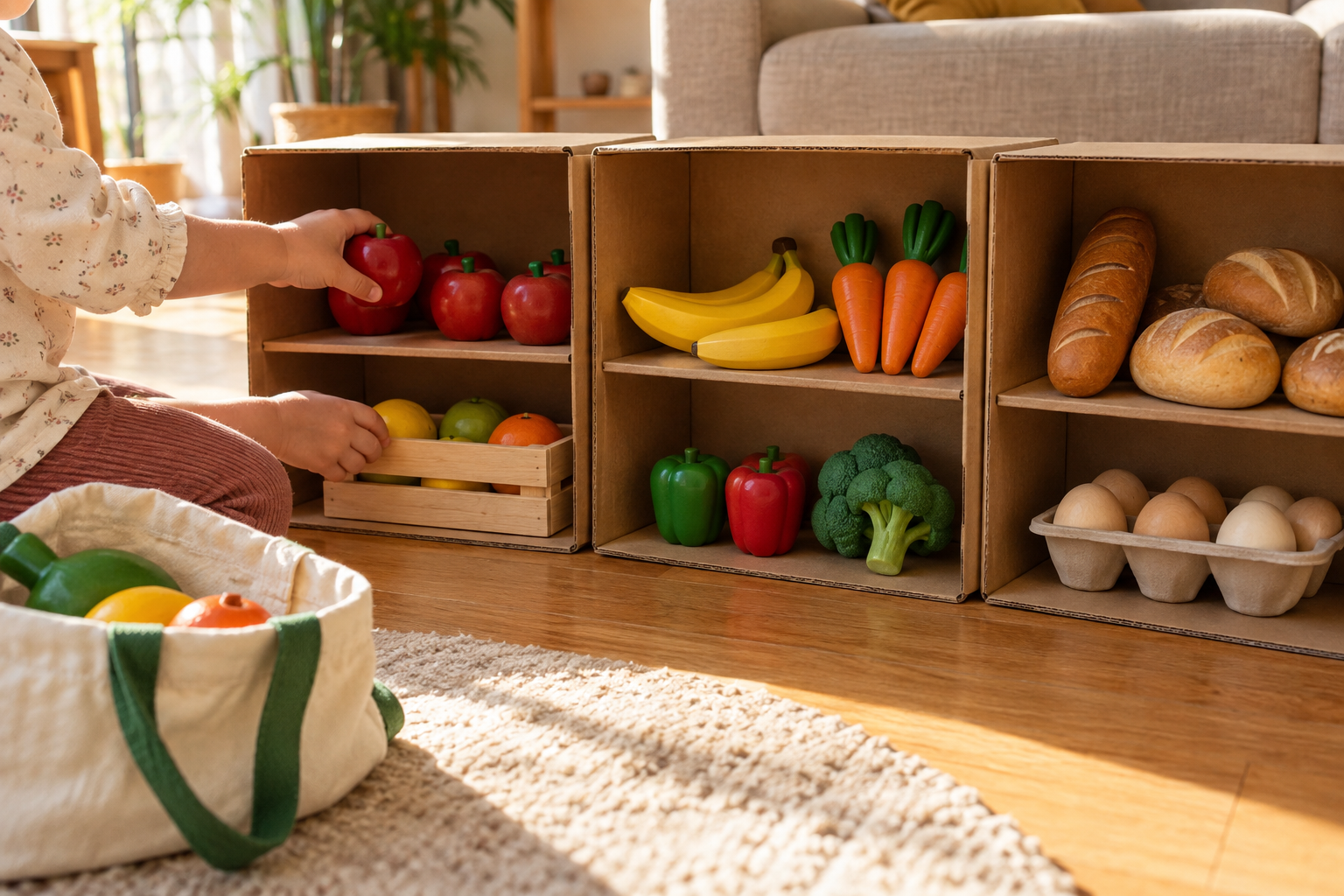
- Pushing a child-sized shopping cart or wheelbarrow.
- Pulling a friend in a wagon.
- Carrying a bucket of water or sand in the yard.
- Digging in a garden or sandbox.
| Activity Type | Examples |
|---|---|
| Pushing | Wall push-ups, pushing a laundry basket, pushing a large ball |
| Pulling | Tug-of-war with a rope or towel, pulling a wagon |
| Carrying | Carrying grocery bags, a stack of books, or a weighted backpack |
| Lifting | Lifting cushions onto the couch, stacking blocks |
Proprioceptive Activities to Calm Busy Bodies
Proprioceptive activities are the secret weapon for calming busy bodies. These activities help improve body awareness, which is the sense of knowing where your body is in space without having to look. For a toddler, this is a skill that is still developing, and movement helps them learn.
Heavy work activities are the most direct way to get this input. They help sensory-seeking toddlers by giving their nervous systems the strong, organizing feedback they are looking for. This input has a calming effect, helping to reduce hyperactivity and improve focus.
Even activities that seem less “heavy” can provide this input. The resistance involved in kneading dough during baking, or the focused effort of stringing large beads on a shoelace, gives feedback to the hands and arms.
- Rolling and kneading dough.
- Squeezing stress balls or therapy putty.
- Giving or receiving big, tight hugs.
- Jumping on a trampoline or cushions.
Conclusion
In summary, incorporating movement breaks for toddlers who can’t sit still is essential for their overall development and well-being. These breaks not only facilitate brain development but also support sensory integration and help manage stress and anxiety. By designing effective and enjoyable movement activities, such as yoga poses, animal walks, and playful obstacle courses, you can channel your toddler’s energy in a positive way. Remember, balancing structured play with free-form activities promotes a healthy outlet for their natural inclination to be active. Embracing these movement breaks will nurture their physical, emotional, and cognitive growth, setting a solid foundation for their future. For more personalized tips and resources, feel free to reach out for a consultation.
Frequently Asked Questions
What are calming movement breaks for toddlers who can’t sit still?
Calming movement breaks are short, intentional activities designed to help toddlers regulate their bodies. These sensory strategies, like gentle yoga, animal walks, or stretching, help develop gross motor skills and support emotional regulation. They act as a brain break, allowing a child to reset and refocus their energy in a positive way.
How do heavy work activities help sensory seeking toddlers?
Heavy work activities help sensory-seeking toddlers by providing intense proprioceptive input. This input from pushing, pulling, and lifting is highly organizing for the nervous system. An occupational therapist often recommends these activities to help children feel calm and grounded, building a strong foundation for focus and self-regulation.
What gross motor activities are best for hyper toddlers?
The best gross motor activities for hyper toddlers are ones that provide lots of sensory feedback. Jumping on a trampoline, climbing on playground equipment, running, and obstacle courses are all excellent choices. This type of physical activity helps improve coordination and provides a healthy outlet for their boundless energy.

Leave a Reply