

Key Highlights
- The vestibular system, located in the inner ear, governs balance and our sense of movement.
- Some toddlers are sensory seeking, meaning their brains require more sensory input to feel regulated.
- Constant toddler movement is often a way to get necessary vestibular input.
- You can identify a movement-seeking toddler by behaviors like constant spinning, jumping, and crashing.
- Safe movement activities and occupational therapy can help meet your child’s sensory needs.
- Understanding your toddler’s need for vestibular input helps you support their development effectively.
What Is Vestibular Input?
The vestibular system is the part of the inner ear that helps control balance, movement, and body awareness.
- Helps toddlers understand movement and position
- Supports balance and coordination
- Plays a role in emotional regulation
- Helps children feel organized and grounded
- Works closely with other sensory systems
Some toddlers naturally seek more vestibular input, which is why they constantly spin, jump, climb, swing, or crash into things.
For many movement-seeking toddlers, constant motion is a way to help their nervous system feel calm and regulated.
Introduction
Have you ever wondered why your toddler seems to be in constant motion, turning your living room into a parkour course? This endless energy often points to their developing vestibular system and a need for sensory input. For many movement-seeking toddlers, this isn’t about misbehaving; it’s about their bodies trying to fulfill specific sensory needs. Understanding what drives this behavior is the first step toward helping your child feel calm, focused, and regulated in their environment.
Understanding Vestibular Input
Vestibular input is the sensory information your brain receives from movement and changes in your head’s position. This information is crucial for balance, coordination, and knowing where your body is in space. It’s one of the core sensory systems that helps your nervous system make sense of the world.
For children, especially toddlers, receiving this sensory information is vital for development. Movement activities like swinging, spinning, and jumping all provide powerful vestibular input. This input helps them learn to control their bodies and navigate their surroundings with confidence.
Safe Vestibular Activities for Movement-Seeking Toddlers
- Swinging at the playground
- Rolling down grassy hills
- Jumping onto crash pads or cushions
- Spinning in short controlled bursts
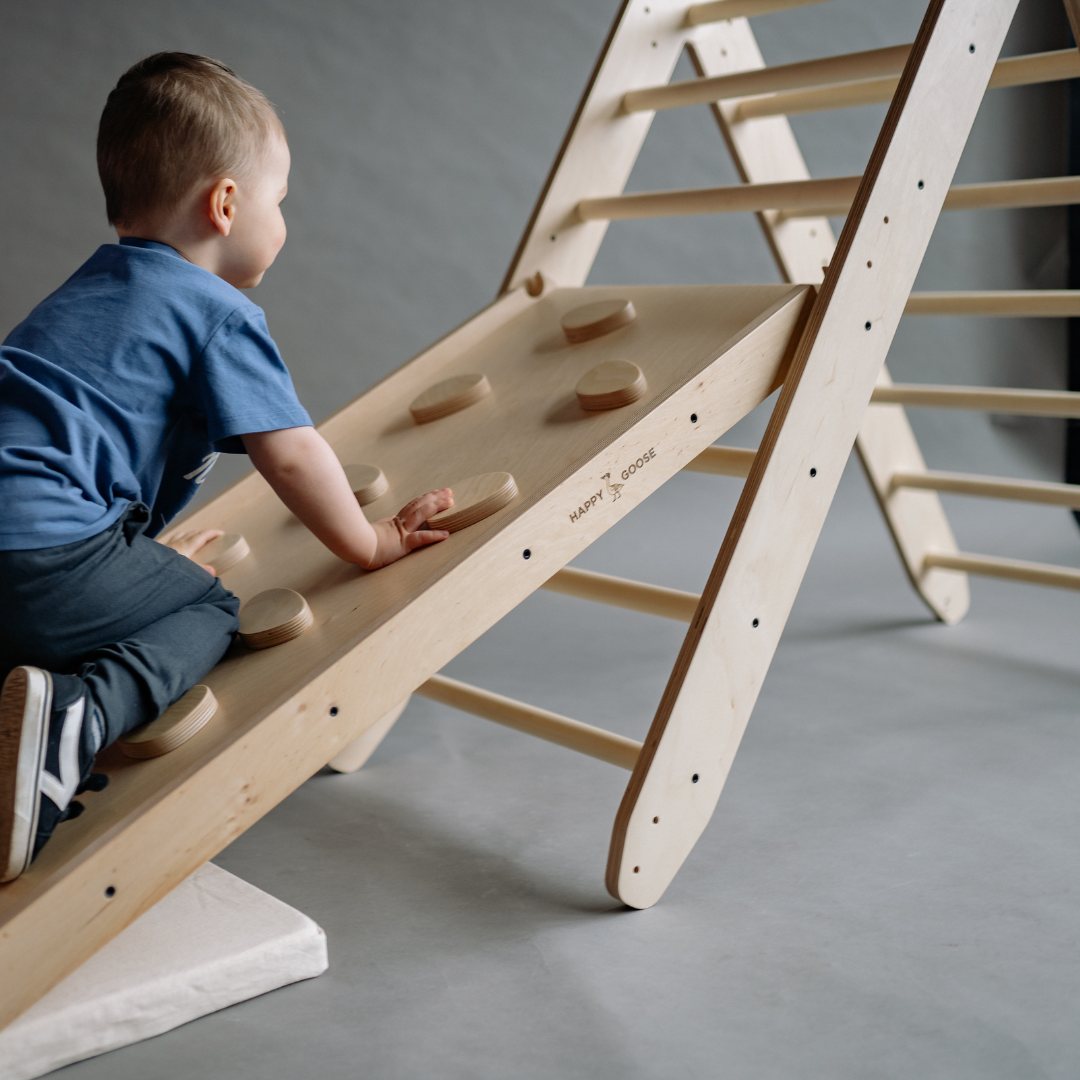
- Obstacle courses with climbing and crawling
Structured movement activities help toddlers get the vestibular input they need in safer and more regulated ways.
Many occupational therapists recommend planned movement breaks throughout the day to support sensory regulation, focus, and emotional balance.
What Is the Vestibular System?
The vestibular system is a complex network located in your inner ear. It contains receptors that detect gravity and changes in head position. Think of it as your body’s internal GPS, constantly telling your brain which way is up, down, left, or right. This system is the foundation of your sense of balance.
When you move your head, fluid inside your inner ear shifts, activating these receptors. This sends signals to your brain about your body’s motion and spatial orientation. This process allows you to walk, run, and even just stand still without falling over. It’s a key player in how we interact with our physical world.
For movement-seeking toddlers, the vestibular system is often working overtime. These children may have a higher threshold for vestibular input, meaning they need more intense movement to feel regulated. Their constant spinning, jumping, and climbing are attempts to feed their vestibular system the stimulation it craves, which in turn helps them feel grounded and organized.
How Vestibular Input Shapes Toddler Movement
Vestibular input is a primary driver of toddler movement. As toddlers explore their world, activities like running, climbing, and tumbling provide rich sensory experiences that help their brains develop. This process, known as sensory integration, allows them to process and respond to their environment effectively.
A toddler with typical sensory processing might enjoy a few minutes on the swings and then move on. In contrast, a movement-seeking toddler behaves differently. They might crave spinning until they’re dizzy or jump on the couch for long periods. These children aren’t just energetic; they are actively seeking more intense vestibular input to feel centered. Their need for movement is more frequent and pronounced.
To support them, you can incorporate planned movement breaks into their day. These breaks offer structured opportunities for them to get the sensory input they need, which can help improve their focus and regulation during quieter activities.
The Connection Between Vestibular Input and Sensory Seeking Behavior
A sensory-seeking child actively looks for more stimulation because their brain requires a stronger signal to register sensory information. When it comes to vestibular input, this translates into a constant desire for movement. Their vestibular processing may be less sensitive, leading them to seek out more intense activities to feel “just right.”
These sensory differences are at the core of sensory-seeking behavior. A child might spin in circles, hang upside down, or love being tossed in the air because these actions provide the powerful vestibular input their nervous system craves to feel regulated and calm.
So, how can you tell if your toddler’s movement is part of a sensory processing issue? Observe the intensity and frequency. If their need for movement interferes with daily activities like eating, sleeping, or safety, it might indicate an underlying sensory need. If the behavior seems compulsive and they have trouble stopping even when tired or at risk of injury, it could be a sign of a sensory processing issue.
Why Some Toddlers Crave Spinning, Jumping, and Constant Movement
The vestibular system helps toddlers understand movement, balance, body position, and spatial awareness. For some kids, intense movement feels organizing and calming rather than overstimulating.
That’s why certain toddlers seem to constantly spin, swing, climb, jump off furniture, hang upside down, or seek rough-and-tumble play all day long.
Parents often first notice these patterns in children who seek movement constantly and seem calmer after intense physical activity instead of more tired.
Movement-seeking behaviors also commonly overlap with crashing, climbing, rough play, and physically intense behavior, especially in toddlers who crash into things throughout the day.
For many children, vestibular input works closely alongside proprioceptive input, which is why pushing, pulling, climbing, carrying, and deep pressure activities often feel regulating too.
That overlap is one reason sensory-seeking toddlers frequently show multiple types of sensory seeking behaviors at the same time.
Short bursts of climbing, swinging, obstacle courses, jumping, and structured movement breaks throughout the day can sometimes help toddlers regulate before dysregulation builds up.
Signs of a Movement Seeking Toddler
Spotting a movement-seeking toddler often starts with noticing their seemingly endless energy. A child who is a sensory seeker craves more sensory information to help them feel regulated. This isn’t just about being active; it’s a neurological drive for input that can impact everything from their muscle tone to their ability to sit still.
While many toddlers are energetic, the intensity and purpose behind the movement are key indicators. If your child’s need for movement seems to disrupt daily life or if they appear disorganized in their play, it might be more than typical toddler behavior. These signs can sometimes be related to a sensory processing disorder, making it important to understand what to look for.
Common Movement Seeking Behaviors in Toddlers
Movement seekers are often in constant motion, driven by their brain’s need for vestibular and proprioceptive input. You might notice that your toddler is happiest when they are physically active, whether it’s through structured play or just moving around the house.
These toddlers often prefer rough play and activities that involve their whole body. Creating obstacle courses or providing safe spaces for climbing can be excellent ways to meet their needs. Common signs that a toddler is seeking movement or has vestibular sensory needs include:
- Always on the go, rarely sitting still
- Loves to spin, swing, and jump
- Enjoys crashing into furniture or people
- Seeks out roughhousing and physical play
- Prefers to hang upside down
Recognizing these behaviors as a form of sensory communication is the first step in supporting your child. Instead of trying to stop the movement, the goal is to channel it into safe and productive activities that help them feel regulated.
How These Behaviors Differ from Typical Sensory Processing
All children have sensory needs, but the way they respond to input varies. A toddler with typical sensory processing skills can manage sensory information without becoming overwhelmed or under-stimulated. They might enjoy a trip to the playground but can also sit calmly for a story. In contrast, a movement-seeking toddler often has a high threshold for sensory input, meaning they need much more stimulation to feel satisfied.
This is different from a child who is sensory avoiding, who might become easily overwhelmed by movement or noise. Sensory processing differences mean that while one child might cover their ears at a loud sound, a sensory-seeking child might make loud noises themselves to get more auditory input.
A movement-seeking toddler’s behavior stands out due to its intensity and frequency. They don’t just like to move; they need to move. This constant quest for stimulation is what distinguishes their behavior from that of a toddler with more typical sensory processing.
When Movement Seeking May Signal Sensory Processing Issues
While movement seeking is common in toddlers, there are times when it may indicate a more significant challenge, such as a sensory processing disorder (SPD). A key sign is if the behavior consistently interferes with daily life, safety, or learning. For example, if a child’s need to move prevents them from participating in family meals or makes it impossible to sit for circle time, it could be a red flag.
This pattern of craving intense input falls under a subtype of SPD called sensory modulation disorder. Children with this condition struggle with sensory integration, making it difficult for them to regulate their responses to sensory stimuli. They may seem disorganized and unable to get “enough” of the input they seek.
If you suspect your toddler’s movement-seeking is more than just high energy, a comprehensive evaluation by an occupational therapist is a great next step. A professional can assess your child’s needs and may recommend a personalized “sensory diet” to help them get the right amount of input throughout the day.
Causes of Sensory Seeking Behavior
Sensory seeking behavior isn’t a choice; it’s a neurological response. The primary cause lies in how a child’s nervous system processes sensory input. Some children have brains that are wired to require more intense or frequent stimulation to feel regulated and aware of their bodies.
This need for input can stem from developmental factors, neurological differences, or even environmental influences. In some cases, it can be a feature of a sensory processing disorder. Understanding the root causes can help you provide more effective and compassionate support for your child’s unique sensory needs.
Developmental Factors Behind Toddler Movement Needs
During the toddler years, a child’s brain and body are developing at an incredible rate. Movement is essential for this process, as it helps build crucial motor skills, strength, and coordination. For this age group, running, jumping, and climbing are not just play; they are fundamental daily activities that fuel development.
One of the primary causes of movement-seeking behaviors is this intense developmental drive. A toddler’s constant motion is their way of practicing new skills and learning how their body works. Their need for movement is a natural part of growing and mastering their physical abilities.
However, each child’s needs are different. Some toddlers naturally require more movement to support their development than others. Understanding these developmental factors helps you see their activity not as hyperactivity, but as a necessary part of their growth journey.
Neurological Bases for Sensory Seeking
At its core, sensory seeking is rooted in the nervous system. The behavior is often linked to the concept of sensory thresholds—the amount of input needed for the brain to notice and respond to a sensation. Children who are sensory seekers often have high thresholds, meaning their nervous system under-registers input. They move, crash, and spin to generate enough stimulation to feel grounded.
This is a matter of sensory processing and integration. The brain isn’t receiving or interpreting sensory messages in a typical way, which prompts the child to actively seek out more intense experiences. These sensory differences are not a sign of misbehavior but a regulatory mechanism.
While sensory seeking can occur in any child, it is common in autistic children and those with other neurodevelopmental conditions. Research suggests that differences in brain function and connectivity may contribute to these sensory processing patterns, causing them to crave more input to maintain focus and emotional balance.
Environmental Influences on Movement Seeking Toddlers
The environment plays a significant role in shaping a child’s behavior, especially for a toddler who seeks movement. A space that is too restrictive or lacks opportunities for physical play can amplify sensory-seeking behaviors. If a child doesn’t have a safe outlet for their need to move, they may resort to crashing into furniture or climbing on unsafe objects.
On the other hand, an environment rich with positive sensory experiences can help a child get the sensory input they need in a structured way. Parks, playgrounds, and even a well-designed indoor play area can provide the right kind of stimulation to help them feel regulated. It’s the child’s way of interacting with their world to meet their needs.
For a child with a sensory processing disorder, the environment becomes even more critical. A predictable setting with designated areas for high-energy play and quiet time can make a world of difference. Providing these opportunities helps them manage their sensory needs proactively rather than reactively.
Role of the Vestibular System in Everyday Life
The vestibular system is a silent hero in our daily life, working behind the scenes to keep us upright and oriented. It’s not just for acrobats; this system is essential for simple daily routines, from walking down the stairs without falling to being able to read a sign while you’re moving.
Its role in sensory integration is profound, influencing our balance, focus, and even how we feel emotionally. For children, especially those who seek movement, understanding this system’s impact is key. Incorporating regular movement breaks can help support their vestibular system and improve their ability to navigate their day.
Balance and Coordination in Toddlers
The vestibular system is the cornerstone of balance and coordination. In toddlers, this system is rapidly developing as they learn to sit, stand, walk, and run. Every time they move their head, the vestibular system sends critical information to their brain, helping them maintain their posture and stay upright.
This system works closely with proprioceptive input—the sense of body awareness from muscles and joints. Together, they help toddlers develop good muscle tone and learn to coordinate their movements. This partnership is what allows a child to ride a tricycle or kick a ball.
For movement-seeking toddlers, their intense physical activity is a way to stimulate and fine-tune their vestibular system. The constant motion helps them build a strong foundation for balance and coordinated movement, which are essential skills for all future physical activities. The vestibular system’s role is to help them understand their body in space, and they get this understanding through movement.
Impact on Attention and Emotional Regulation
The vestibular system has a powerful influence on attention and emotional regulation. Have you ever noticed how rocking a baby can calm them down? That gentle, rhythmic movement provides organizing vestibular input to their developing nervous system. The same principle applies to toddlers and even adults.
For a child who is struggling to focus or feeling overwhelmed, certain types of vestibular input can be incredibly grounding. Activities like swinging or gentle bouncing can help regulate their nervous system, making it easier for them to pay attention and manage their emotions. This process of sensory integration is vital for a calm and alert state.
In movement-seeking toddlers, this connection is especially clear. Their constant motion is often an attempt to self-regulate. By seeking intense vestibular input, they are trying to organize their brain and body to feel more in control. This is why providing safe movement opportunities can be a key strategy for improving their focus and emotional stability.
Why Some Toddlers Never Stop Moving
Why does my toddler never stop moving? The simple answer is that their body and brain crave it. For a sensory-seeking child, movement isn’t just fun—it’s a fundamental need. Their nervous system has a high threshold for sensory input, meaning they need more intense and frequent movement to feel organized and regulated during daily activities.
This constant motion is their primary strategy for meeting these sensory needs. A sensory-seeking child might seem to have a motor that’s always on, but they are simply trying to get the vestibular and proprioceptive input their body is asking for. Understanding this helps shift the perspective from seeing a “hyper” kid to seeing a child communicating a need.
Your support strategies can make a huge difference. Instead of trying to curb the movement, you can redirect it into productive activities.
| Sensory Need | Behavior Example | Support Strategies |
|---|---|---|
| Vestibular (Movement) | Constant spinning, jumping, swinging | Schedule swing time, use a mini-trampoline, play on slides |
| Proprioceptive (Pressure) | Crashing into things, rough play | Use crash pads, give tight hugs, heavy work like pushing a laundry basket |
| Oral Sensory | Chewing on non-food items | Offer chewable jewelry, crunchy snacks like carrots or pretzels |
Activities That Provide Safe Vestibular Input
Providing safe vestibular input is key to helping a movement-seeking toddler thrive. The goal is to offer structured movement activities that satisfy their sensory cravings in a controlled way. Things like building obstacle courses or scheduling active playtime can be incredibly effective.
Instead of letting them get their input by climbing on furniture, you can create a “sensory diet” that includes planned movement breaks with specific activities. This approach gives them the safe vestibular input they need to feel regulated, which can lead to better focus and calmer behavior throughout the day.
Indoor Movement Activities for Toddlers
When you’re stuck indoors, there are still plenty of ways to meet your toddler’s need for movement. Indoor activities can provide excellent vestibular and proprioceptive input, helping your child feel organized and calm. Simple sensory tools and a bit of creativity can turn your living room into a sensory-rich playground.
Many of these movement activities involve “heavy work,” which refers to tasks that push or pull against the body, engaging the muscles and joints. These sensory integration techniques are highly effective for regulation. Some easy ideas include:
- Building an obstacle course with pillows and blankets to crawl over and under.
- Playing animal walks, like bear crawls or crab walks.
- Using a mini-trampoline for jumping.
- Pushing a laundry basket filled with toys across the room.
- Dancing to music with big, expressive movements.
These indoor activities offer a safe and structured way for your toddler to get the sensory input they crave, especially on days when you can’t get outside.
Outdoor Play Ideas for Healthy Vestibular Engagement
Outdoor play is a fantastic way for toddlers to get abundant vestibular input. The playground is a sensory wonderland, offering a wide range of sensory experiences that are perfect for a movement-seeking child. These activities not only provide stimulation but also help improve body awareness and motor skills.
Heading to a local park or even just your backyard opens up a world of possibilities for healthy vestibular engagement. The fresh air and open space can be liberating for a child who needs to move. Some great outdoor ideas include:
- Swinging on swings (both back-and-forth and spinning).
- Going down slides of different heights and shapes.
- Climbing on playground equipment or attempting the monkey bars.
- Rolling down a grassy hill.
- Riding a tricycle or balance bike.
These natural, fun activities allow your toddler to explore movement in a safe and engaging way, helping them get the input they need to regulate their system.
Simple Ways to Provide Vestibular Input During Playtime
Incorporating vestibular input into playtime doesn’t have to be complicated. You can easily weave simple ways to get this stimulation into your daily routines. Think of these as small “sensory snacks” that contribute to your child’s overall sensory diet. These quick movement breaks can make a big difference in their ability to regulate.
During playtime, you can use common toys and a little imagination to create powerful sensory experiences. The key is to follow your child’s lead while ensuring activities are safe and purposeful. Here are some simple ways to add vestibular input:
- Sit on a therapy ball while doing puzzles or reading.
- Spin them around in an office chair.
- Play “airplane” by lifting them up and flying them around the room.
- Encourage rocking on a rocking horse or chair.
- Have them hang upside down from the couch for a few seconds.
These small adjustments to playtime can help satisfy your toddler’s sensory needs without requiring special sensory tools or elaborate setups.
Supporting a Movement Seeking Toddler at Home
Supporting a movement-seeking toddler at home is all about being proactive rather than reactive. By creating a sensory-friendly environment, you can meet your child’s sensory needs before they become overwhelming. This approach focuses on understanding and validating their experience.
Effective support involves combining practical strategies with the right tools to channel their energy in positive ways. With thoughtful support strategies, you can help your toddler feel more regulated, confident, and understood, turning potential challenges into opportunities for growth and connection.
Creating a Sensory-Friendly Environment
Creating a sensory-friendly environment means designing your home to meet your child’s needs. For a movement seeker, this involves designating safe spaces for high-energy activity. A corner of a room with soft mats, a crash pad, or a small indoor swing can be a perfect spot for them to get the input they need without disrupting the whole house.
You can also incorporate sensory tools into your decor. A therapy ball can replace a chair at a small table, or a wobble board can be available for quick movement breaks. The goal is to make sensory integration a natural part of your home life.
Consider adding opportunities for “heavy work” into the environment, such as a small basket of books they can carry from one room to another. By anticipating your child’s needs and building solutions into your space, you create a supportive atmosphere where they can thrive.
Practical Strategies for Everyday Routines
Embedding sensory input into daily routines is a powerful strategy for supporting a movement-seeking toddler. This form of sensory integration helps them get the stimulation they need while accomplishing everyday tasks. By making movement a part of your schedule, you build a natural sensory diet that improves their sensory processing skills.
Think about the transitions and moments in your day that are often challenging. Can you add a movement break before asking your child to sit down for a meal? Small adjustments can prevent meltdowns and make routines go more smoothly. Here are some practical ideas:
- Have your toddler hop or jump to the dinner table.
- Play music and have a dance party while getting dressed.
- Let them help with chores that involve heavy work, like carrying laundry.
- Turn cleanup time into a game of throwing toys into a bin.
- Before bedtime, try some gentle rocking or rolling on the floor.
These strategies make daily routines more fun and engaging while providing the essential sensory input your child’s brain and body are looking for.
Recognizing When Professional Support Is Needed
While many of these strategies can be implemented at home, there are times when professional support is necessary. If your toddler’s movement-seeking behaviors are significantly impacting their safety, social interactions, or ability to participate in daily activities, it may be time to consult an expert.
An occupational therapist (OT) specializing in pediatrics is the ideal professional to seek out. An OT can conduct a comprehensive evaluation to determine if there is an underlying sensory processing disorder and create a tailored plan to support your child. Early identification and intervention can make a significant difference.
You should consider early intervention if your child seems constantly dysregulated despite your best efforts, if their behaviors are causing harm to themselves or others, or if you feel overwhelmed and unsure how to help. A professional can provide guidance, strategies, and peace of mind.
Conclusion
In summary, understanding vestibular input is essential for recognizing why some toddlers are always on the go. Their natural movement is often a part of healthy development, shaped by both neurological and environmental factors. By creating a supportive and sensory-friendly environment, you can help these energetic little ones engage with their surroundings more effectively. Incorporating specific activities that provide safe vestibular input can promote balance, coordination, and emotional regulation, ultimately leading to better outcomes as they grow. If you’re looking for tailored support or strategies to help your movement-seeking toddler thrive, consider reaching out for a free consultation.
Frequently Asked Questions
Are there risks if movement seeking behaviors are ignored in toddlers?
Yes, ignoring movement-seeking behaviors can lead to challenges. The child may struggle with emotional regulation and find it hard to focus. If it’s part of a sensory processing disorder or sensory modulation disorder, they may not develop the skills to manage their needs, potentially affecting learning and social interactions. Consulting an occupational therapist is wise if behaviors are disruptive.
How can occupational therapy help a toddler who is sensory seeking movement?
Occupational therapy helps by using sensory integration techniques to address sensory-seeking movement. An OT will create a personalized sensory diet with activities that provide the right amount of input. This helps improve the child’s sensory processing skills, regulation, and ability to engage in daily tasks more effectively.
When should I consider early intervention for a movement seeking toddler?
Consider early intervention if your toddler’s movement seeking interferes with safety, learning, or daily routines like eating and sleeping. If you notice significant sensory processing differences compared to peers, a pediatric occupational therapist can provide a comprehensive evaluation and offer targeted support strategies to help your child thrive.




Leave a Reply