
Your toddler stands nose-to-nose with other kids at the playground. They climb into laps of people they just met.
They grab toys right out of another child’s hands without pausing. These behaviors are common and normal for young children who are still learning how the social world works.
Most toddlers don’t naturally understand personal space because their brains are still developing the ability to read social cues and recognize that other people have different comfort levels than they do. Personal space awareness requires understanding body awareness and social norms, which are skills that take time and practice to develop.
Your child isn’t being rude or difficult when they get too close to others. You can teach personal space to young children using simple, gentle strategies that work with your toddler’s developmental stage.
With consistent practice and patience, your child will learn to respect boundaries and feel more comfortable in social situations.

Key Takeaways
- Toddlers typically struggle with personal space because their brains are still learning to understand social cues and other people’s comfort levels
- You can teach boundaries through simple activities like practicing arm’s length distance and helping your child notice when others step back
- Learning personal space takes time and repetition, but most children develop this skill naturally with gentle guidance from parents
1Why Toddlers Get Too Close to Others
Toddlers stand too close to others because their brains are still developing the skills needed to read social cues and judge appropriate distances. Your child’s ability to recognize personal boundaries depends on several overlapping skills that take years to develop fully.
Developmental Limits in Social Awareness
Your toddler’s brain is not yet wired to pick up on the subtle signals that indicate someone needs more space. Most adults naturally notice when someone steps back, looks away, or shows discomfort.
Young children typically lack this skill. Social awareness develops gradually as kids learn to read facial expressions and body language.
A toddler might see someone frown but not connect that expression to their own behavior. They don’t understand that standing 6 inches from someone’s face makes that person uncomfortable.
In the United States, most people prefer about 18 to 24 inches of distance during conversations. Your toddler has no concept of this invisible boundary yet.
They process the world through their own needs and wants, not through the comfort level of others.
Body Awareness, Spatial Awareness, and Impulse Control
Your child needs to develop three separate skills to respect personal space: knowing where their body is, understanding how much room they take up, and stopping themselves from moving too close.
Body awareness means recognizing where your arms, legs, and torso are positioned. Many toddlers bump into furniture, step on toys, or knock things over because this skill is still forming.
Spatial awareness helps children navigate their surroundings and judge distances between themselves and objects or people. Impulse control is the hardest part.
Even when kids know the right distance, they struggle to stop their bodies from moving forward. A toddler might understand “don’t touch” but still reach out seconds later.
Excitement, Anxiety, and Sensory Seeking
Strong emotions often override your toddler’s developing sense of boundaries. When excited about a toy or wanting attention, children rush toward others without thinking about space.
They might run up to a friend during playtime and stand nose-to-nose while talking. Anxiety can also drive kids to seek closeness.
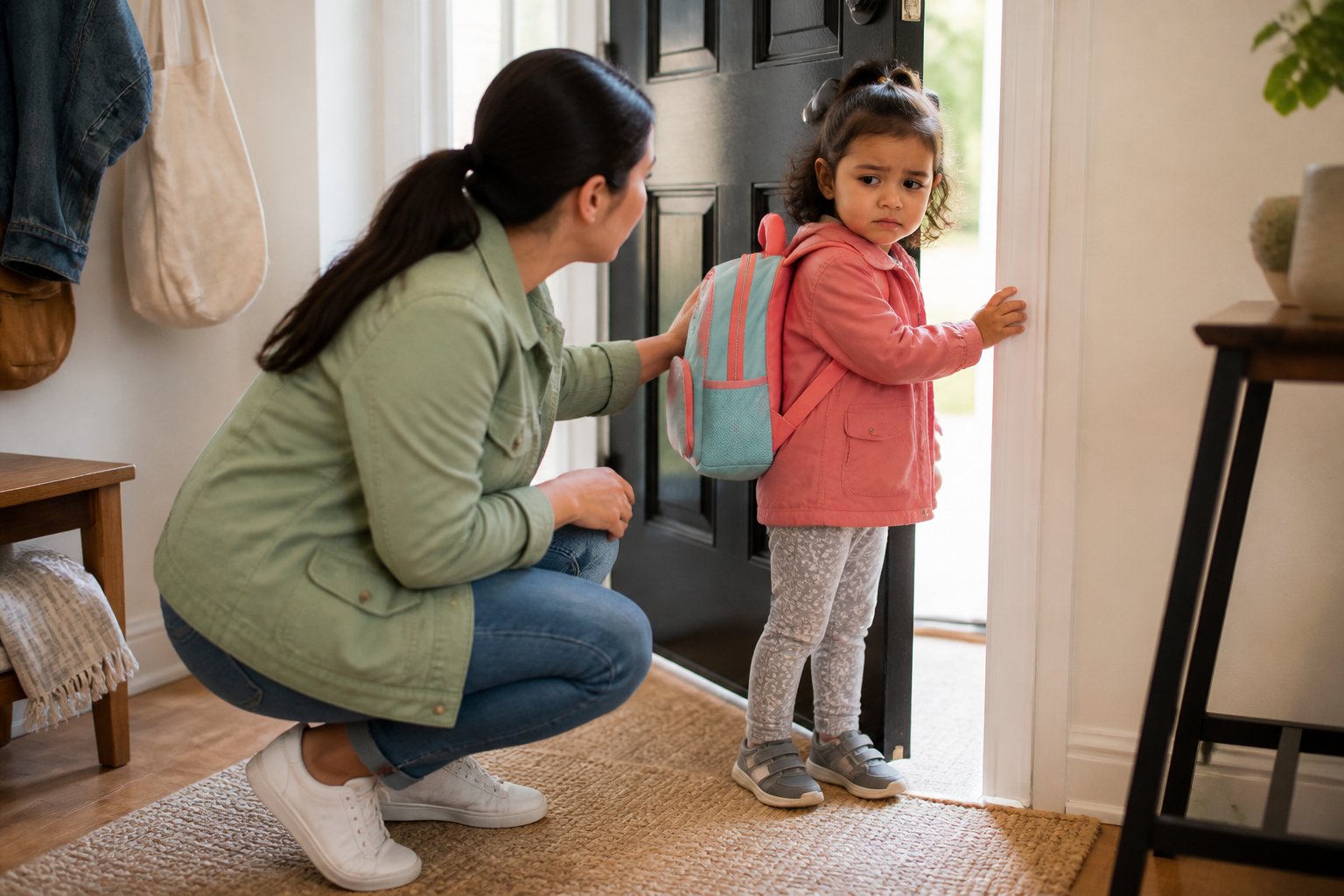
Your child might cling to you or stand very close to familiar adults when feeling nervous in new situations.
This proximity makes them feel safe and protected. Some children crave sensory input and naturally seek more physical contact and closeness than others.
These kids might lean against people, touch frequently, or stand closer because it helps them process information about their environment. This sensory seeking behavior is not defiance but rather how their nervous system works.
2What Personal Space and Boundaries Mean for Toddlers
Personal space involves the physical distance people need to feel comfortable around others. For toddlers, understanding these invisible boundaries takes time because they’re still learning how their body relates to other people’s bodies and what feels safe.
The Personal Space Bubble in Simple Terms
The personal space bubble is the invisible area around each person’s body. Think of it like a bubble that surrounds you.
Some people need a bigger bubble, while others are comfortable with a smaller one. For toddlers, this concept is hard to grasp because they can’t see the bubble.
You can explain it by having your child hold their arms out to the sides and spin in a circle. The space their arms can reach is their personal bubble.
Most people feel comfortable when others stay about an arm’s length away during normal interactions. This distance lets people talk and interact without feeling crowded or uncomfortable.
Young children are learning impulse control, body awareness, and social cues that help them understand where their body ends and someone else’s begins. They need repeated teaching before they can consistently respect other people’s space.
Comfort Zones Vary by Person and Situation
Personal boundaries change based on who you’re with and what’s happening. Your toddler might hug family members but needs to stand farther away from strangers or new people.
Different situations call for different amounts of space:
- Close family Hugs, cuddles, close contact
- Friends Holding hands, sitting together
- Acquaintances An arm’s length or more
- Strangers Several feet of distance
Culture also affects how much space people need. Some families are very affectionate and comfortable with close contact, while others prefer more physical distance even with loved ones.
Teaching children how to maintain their personal space supports healthy relationship skills and self-awareness. Your toddler will learn that what feels comfortable to them might not feel the same to someone else.
Consent, Bodily Autonomy, and Unwanted Touch
Bodily autonomy means your child has control over their own body. They get to decide who touches them and how, except for necessary care like diaper changes or medical exams.
Consent means asking permission before touching someone. Your toddler should learn to ask “Can I give you a hug?” before hugging a friend.
They also need to know they can say “no” when someone wants to touch them in a way that feels uncomfortable. Unwanted touch is any physical contact that makes someone feel bad or unsafe.
This includes hitting, pushing, or even tickling when the person has asked you to stop.
Body safety rules help protect your child:
- “My body belongs to me”
- “I can say no to touches I don’t like”
- “I ask before touching others”
Teaching respect for others’ bodies also builds self-respect. When your toddler learns that their “no” matters, they understand their feelings and boundaries are important.
3How to Teach Personal Space Through Everyday Practice
Teaching boundaries works best when you practice them during regular daily activities. Visual tools and repeated practice help toddlers learn physical distance and respect for others in ways they can understand and remember.
Use Arm’s Length, Hula Hoops, and Visual Cues
Physical objects make the invisible concept of personal space visible to toddlers. A hula hoop creates a clear boundary that shows how personal space works in preschool settings.
Place the hoop on the ground and have your toddler stand inside it. Explain that this circle is their personal bubble.
Ask them to notice how it feels when someone steps inside their hoop without asking. The arm’s length rule gives toddlers a built-in measuring tool they always have with them.
Show your child how to extend one arm straight out in front of them. The distance from their shoulder to their fingertips is usually the right space to keep between people during conversations.
You can use colored tape on the floor to mark where children should stand in line. Carpet squares work well for circle time or group activities.
These visual strategies help children understand boundaries through clear, concrete markers they can see and touch.
Model Asking Before Hugging or Touching
Your toddler learns social skills by watching how you interact with others. Always ask permission before touching someone, even family members.
Say things like “Can I give you a hug?” or “Is it okay if I touch your shoulder?” Wait for a clear yes before proceeding.
When someone asks to hug your child, support them in saying no if they want to. Show your toddler that different people have different comfort levels.
Grandma might love hugs while Uncle Mike prefers high-fives. Point out these differences so your child learns that respecting boundaries means adapting to what others need.
Practice at home by having family members ask before entering your toddler’s room or touching their toys. This teaches that asking applies everywhere, not just with strangers.
Practice Scripts for Asking for Space
Toddlers need simple words they can actually use when they feel crowded. Give them practical phrases for teaching boundaries they can repeat easily.
Scripts for asking others to move back:
- “Too close, please”
- “I need space”
- “Step back, please”
Scripts for asking to enter someone’s space:
- “Can I sit next to you?”
- “Can I see what you’re doing?”
- “May I have a hug?”
Practice these phrases during calm moments, not just when conflicts happen. Say them together in silly voices or while playing with dolls.
The more familiar the words become, the easier they are to use when your toddler actually needs them. Create a reminder phrase your child can remember.
Use Role-Play and Role-Playing to Rehearse Social Situations
Acting out scenarios helps children practice personal space in a safe environment where mistakes don’t matter. Set up common situations your toddler faces at daycare or the playground.
Take turns playing different roles. You pretend to be the child who stands too close while your toddler practices asking for space.
Then switch so they experience both sides. This builds empathy and helps them understand how their actions affect others.
Record short videos of your practice sessions. Watch them together and point out what worked well.
Your toddler can see themselves using good physical distance and asking permission properly. Practice reading body language during role-play.
If someone steps backward during a conversation, that means they want more space. Teach your child to stay put rather than following.
Arms crossed or turning away are other signals that someone needs distance.

4Help Your Toddler Read Other People’s Signals
Teaching your toddler to notice when others feel uncomfortable helps them understand personal space naturally. When children learn to spot facial expressions and body language, they start to recognize the social cues that signal someone needs more room.
Notice Facial Expressions and Body Language
Your toddler needs to learn that faces and bodies tell stories without words. Point out when someone’s eyebrows go up in surprise or when their mouth turns down in sadness.
Show your child what different body movements mean. When you tap your fingers, explain that it might mean someone is getting impatient.
When you cross your arms, talk about how it can show someone feels uncomfortable or wants space. Watch people together at the park or during playdates.
Ask your child what they notice about how someone is standing or what their face looks like. A person taking a step backward might be saying they need more room without using words.
Play a simple game where you act out different feelings. Make a surprised face, a tired posture, or an annoyed expression.
Let your child guess what you’re showing them. This practice helps them connect what they see with what people feel.
Teach What Stepping Back and Turning Away Can Mean
When someone steps backward or turns their body away, they’re sending a clear message about needing space. Your toddler might not naturally understand these social cues without your help.
Explain that when a friend takes a step back, it means “I need a little more room right now.” Show your child by demonstrating these movements yourself.
Watch for these moments during play. If another child turns their shoulder away or moves backward, pause and quietly point it out to your toddler.
Practice with your child at home. When they get too close, take a small step back and explain what you’re doing.
This teaches them what the movement looks like and what it means before boundary violations happen with peers.
Respond Calmly in the Moment Without Shame
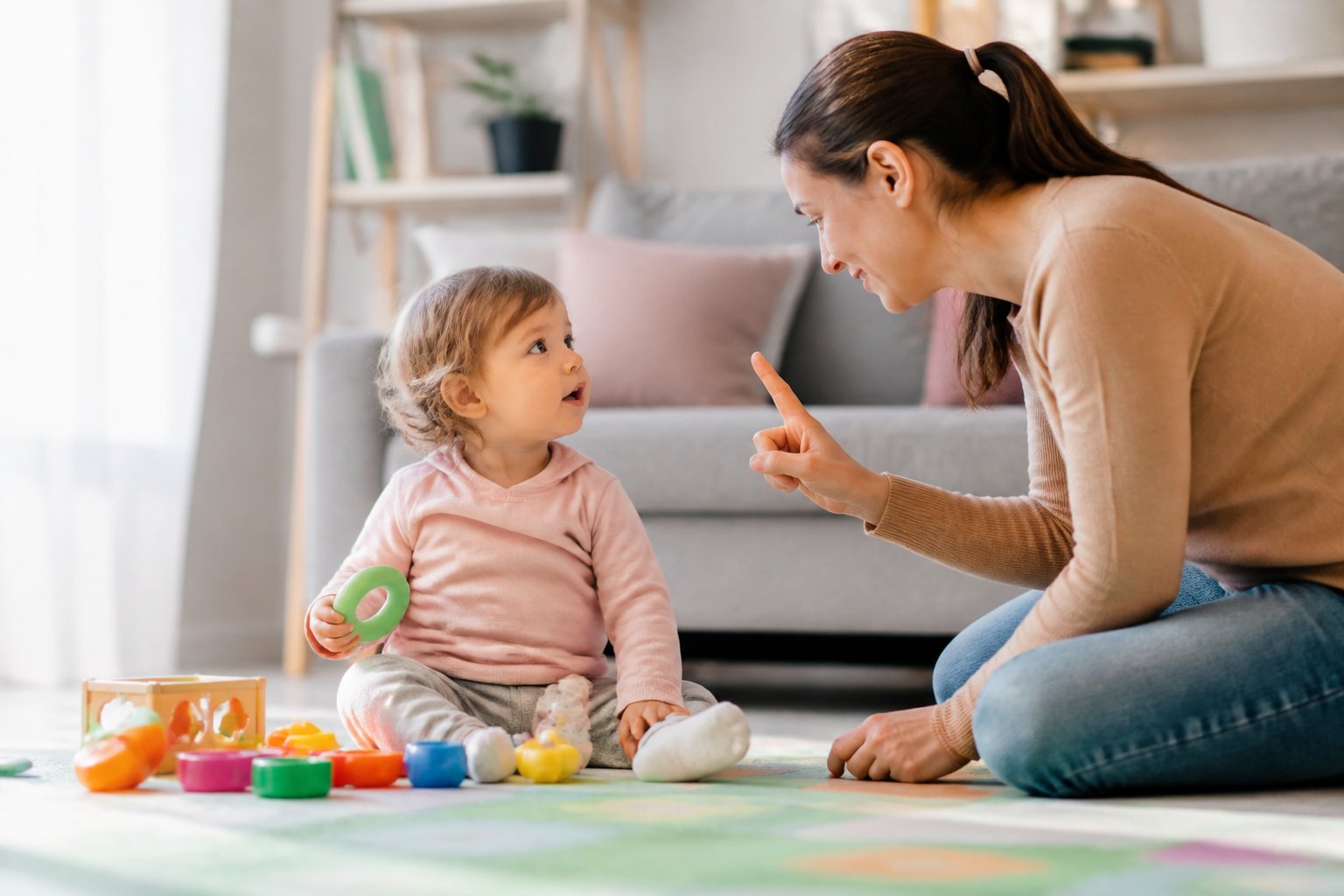
When your toddler gets too close to someone, stay calm and matter-of-fact. Shame doesn’t help children learn social awareness.
Get down to your child’s level and speak quietly.
Then gently guide your toddler back a step or two. Name what you see without blame.
This connects the action to the response without making your child feel bad. Keep your tone neutral and supportive as you help them understand what happened.
5Build Respect for Their Own Boundaries Too
Teaching your toddler about personal space works both ways. Children need to learn they can say no to unwanted touch and that adults will respect their choices.
Let Your Toddler Decline Affection Respectfully
Your toddler should decide when they give hugs or kisses. Kids should be allowed to decide for themselves if and when they want to show affection, even with family members.
Forcing physical contact teaches children their bodily autonomy doesn’t matter. When Grandma expects a hug, your child might feel uncomfortable but comply anyway.
Offer alternatives that respect both parties. Your toddler can wave, high-five, blow a kiss, or shake hands instead.
This teaches consent while maintaining politeness. Listen when your child says they don’t like certain touch.
Don’t dismiss their feelings by saying “You don’t really hate it” when they tell you they dislike being tickled or picked up.
Give Clear Words for Physical Boundaries
Young children need simple phrases to express their physical boundaries. Practice statements like “Please stop,” “I don’t like that,” or “No thank you.”
Role-play situations where your toddler might need these words. Act out scenarios where someone stands too close or tries to hug them when they don’t want it.
Help them recognize their own feelings about touch. Ask “Do you like it when people squeeze you tight?” or “How does your body feel when someone gets very close to your face?”
Name the feeling and the boundary together. You might say “Your body is telling you that feels uncomfortable. You can tell them to move back.”
Support Safer Responses When a Child Feels Crowded
Teach your toddler what to do when words don’t work. Some situations need adult help, especially when another child won’t listen to their “no.”
Create a simple list of “get a grown-up” moments:
- When someone keeps touching after being asked to stop
- When another child pushes or plays too rough
- When they feel scared or unsafe
- When a friend won’t respect their space
Practice the steps: use your words first, then walk away if needed, then find an adult.
Validate their feelings when they enforce boundaries.
6When to Loop In Your Pediatrician
Most toddlers pick up personal space gradually with practice and patience — this is one of the slower social skills to click, and that’s normal.
Useful details to note beforehand:
- Which settings the behavior shows up in most
- Whether it’s improving, staying the same, or getting more frequent
- How your child responds to gentle, repeated reminders over time
- Whether it’s affecting friendships or causing conflict at school
Working With Preschool Staff on Consistent Supports
Talk with your child’s preschool teachers about what you notice at home. Share specific examples of when your toddler struggles with boundaries.
Teachers can watch for similar patterns during group activities and free play. Ask staff to use the same language and reminders you use at home.
If you say “arms length away” at home, your child’s teachers can use that same phrase at school. This consistency helps kids learn faster.
Preschool staff can also:
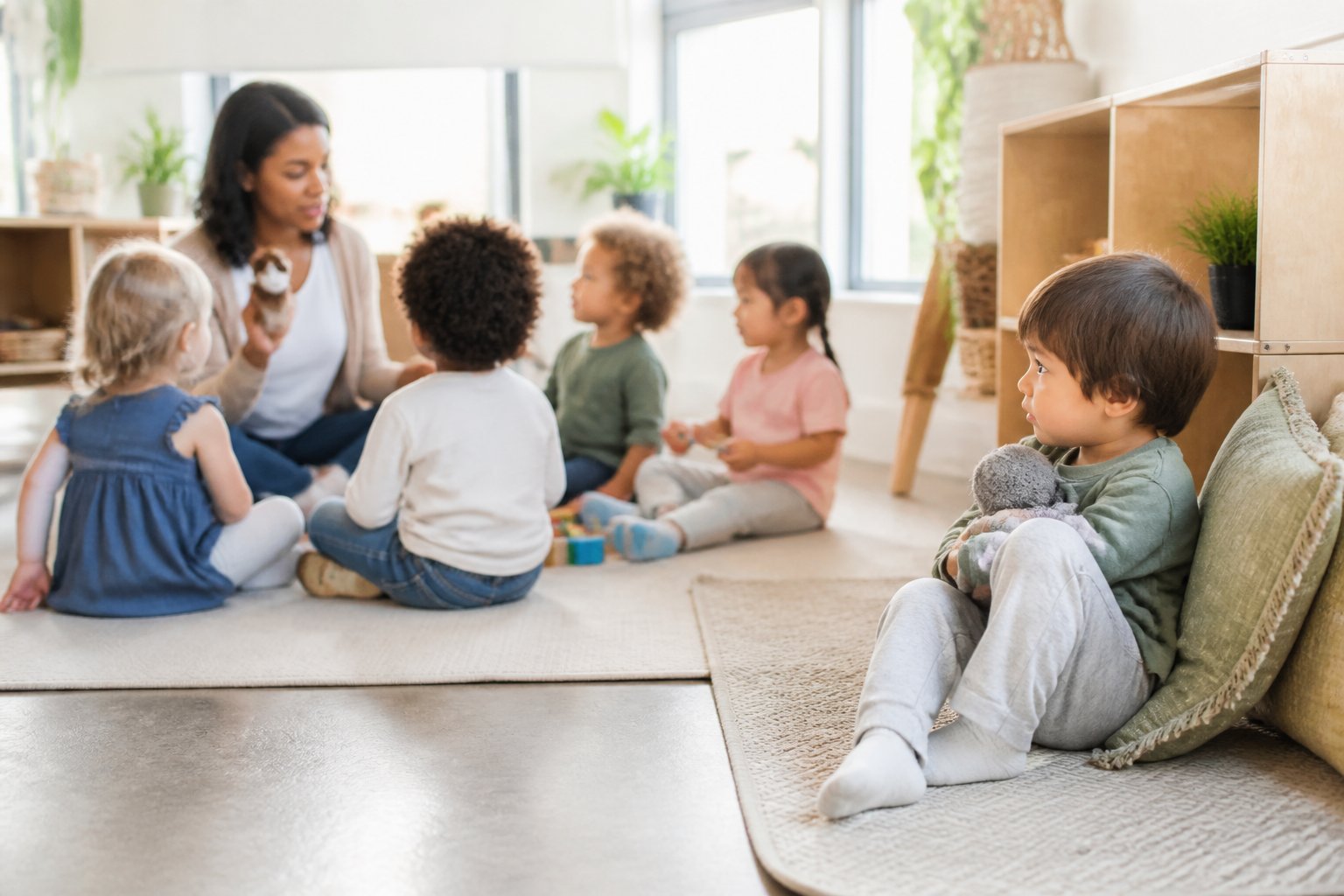
- Place visual markers on the floor for circle time spacing
- Use carpet squares to show each child their own spot
- Give your child a special job that keeps them moving appropriately
- Provide a quiet space when sensory input becomes too much
Request a meeting every few weeks to discuss what’s working and what needs adjustment.
7Activities and Resources That Reinforce the Skill
Games, books, and structured playdate plans give toddlers repeated practice with personal space in different settings. These tools help children build personal space awareness through hands-on learning and visual reminders.
Personal Space Games for Home and Preschool
Hula-hoop activities create a physical boundary that shows your toddler their personal space bubble. Give your child a hula hoop to stand inside and explain this is their bubble.
Ask them for permission before stepping into their hoop, which teaches consent and boundaries. Space Invader Freeze Dance helps kids practice stopping when they get too close to others.
Play music and let your child dance freely. When they freeze too close to someone, pause and talk about what respectful distance looks like.
You can also try colored carpet squares during group activities at preschool. Each child sits on their own spot, which gives them a visual cue for their personal space.
Role-play common situations like asking for hugs or sharing toys, and practice saying “no” or “please give me space.”
Books and Stories, Including Personal Space Camp
Personal Space Camp by Julia Cook is a popular choice that introduces the idea of a personal bubble in kid-friendly language. The story follows Louis, who learns about keeping appropriate distance from others.
Social stories work well for toddlers who need visual explanations. You can find printable personal space social stories that use simple words and pictures to explain boundaries.
Read these stories regularly during quiet time to reinforce the concept. Create your own personal space book by tracing your child’s body on large paper.
Let them color and decorate their outline, then discuss how it feels when someone steps into their space. This hands-on approach connects the abstract idea to their own body.
Creating a Simple Plan for Playdates and Friendships
Set up playdates with clear expectations before friends arrive. Tell your toddler they need to ask before hugging or touching their friend.
Use phrases like “Can I give you a high-five?” to model consent language. During the playdate, watch for moments when your child gets too close.
Gently remind them with consistent phrases like “Check your bubble” or “Let’s give our friend space.” These quick reminders help without overwhelming your toddler.
After playdates, spend two minutes reviewing what went well. Ask simple questions like “How did you ask to play together?”
This helps your child connect their actions to building friendships. Teaching social skills through real practice with other children builds understanding faster than talking alone.
?Frequently Asked Questions
Young children often struggle with understanding how close to stand to others because their brains are still developing spatial awareness and social skills. These common questions address the developmental reasons behind personal space challenges and practical ways to help your child learn appropriate boundaries.
Why does my toddler stand too close to other people?
Toddlers naturally stand too close to others because they haven’t yet developed the ability to judge appropriate social distances. Their brains are still learning to process spatial information and understand invisible social boundaries.
Young children also lack impulse control and may feel excited or curious about the people around them. This leads them to move into others’ space without thinking first.
Many toddlers struggle with body awareness and understanding social cues, which makes it hard for them to recognize when they’re too close. Their focus is often on what interests them rather than on maintaining distance from others.
Is difficulty understanding personal space normal for a 3- or 5-year-old?
Yes, difficulty with personal space is completely normal for children between ages 3 and 7. Spatial awareness develops continuously from infancy through adolescence, so young children are still in the early stages of learning this skill.
Three-year-olds are just beginning to understand that other people have different feelings and preferences than they do. This means they often don’t realize that someone might not want to be touched or approached closely.
Five-year-olds typically have better awareness but still need regular reminders and practice. They’re learning to balance their own desires with respecting others’ space, which takes time and repetition.
How can I teach my child to respect personal space at home and school?
Start by teaching your child about personal bubbles as a concrete way to visualize the invisible space around each person. You can demonstrate this by having your child stretch their arms out and spin in a circle to show how much space they need.
Use simple, clear language when your child gets too close to someone. Say things like “I heard her tell you to stop” or “Did you ask if he wanted to play that way?”
Practice at home by creating games where your child needs to maintain distance during activities. Set clear rules about asking permission before hugging or touching others, even family members.
Give immediate, gentle corrections when you see your child entering someone’s space without permission. This might sound like “Let’s give your friend more room to play.”
Could shyness or sensory sensitivity affect personal space awareness?
Sometimes. Some children stand too close because they feel nervous and want comfort, while others simply don’t pick up on social cues as quickly as their peers — both are common and usually improve with time and practice.
Kids who crave physical contact or movement may also stand closer than others because it helps them feel grounded, not because they’re trying to bother anyone.
If your child shows other developmental differences alongside personal space difficulties, talk to your pediatrician — they’re in the best position to help you figure out what’s going on.
What activities can help a toddler learn appropriate physical boundaries?
Simple activities that emphasize direction, distance, and personal space help build coordination and confidence with boundaries. Games like “Red Light, Green Light” teach children to stop their bodies on command and maintain distance from others.
Try the “arms length” rule where your child practices standing with their arm extended to measure appropriate distance. Make it fun by having them pretend they’re holding an invisible hula hoop around their body.
Use visual markers like tape on the floor or carpet squares to show where each child should sit during circle time or group activities. This gives concrete boundaries that young children can see and understand.
Practice role-playing scenarios where your child asks permission before giving hugs or high-fives. Let them practice saying “Can I give you a hug?” and accepting both yes and no answers.
When should I seek professional advice about my child’s personal-space behavior?
Seek professional advice if your child’s personal space issues are significantly affecting their ability to make friends or participate in school activities.
Problems that persist despite consistent teaching and practice may need extra support.
Contact your pediatrician if your child seems unable to recognize when others are uncomfortable, even after you point it out multiple times.
A professional can assess whether there are underlying sensory, emotional, or developmental factors at play, and offer guidance tailored to your family.


Leave a Reply