
Key Takeaways
- Preschool workbooks provide structured learning activities that support cognitive development, literacy skills, and kindergarten readiness for children ages 3-5
- Quality workbooks should match your child’s developmental stage and combine educational content with engaging, play-based elements like stickers, interactive activities, and worksheets as key components of engaging, structured learning
- The most effective approach balances 10-15 minutes of daily workbook time with plenty of unstructured play and hands-on learning experiences, making this period an important opportunity for foundational skill-building
- When selecting workbooks, look for clear instructions, age-appropriate content, and educational credentials while avoiding overly academic materials that push formal learning too early
- Successful workbook implementation requires creating consistent routines, providing appropriate support, and celebrating small achievements to build confidence and learning habits

Choosing the right educational materials for your preschooler can feel overwhelming in today’s world of countless learning resources. Parents want to prepare their children for future success while ensuring they still have time to explore, play, and discover the joy of learning. Preschool workbooks offer a structured yet engaging approach to building foundational skills that will serve kids throughout their educational journey. Children learn better when they are having fun and feel excited to discover new things, making it essential to choose materials that spark curiosity and enjoyment.
There’s a ton to explore on Feral Toddler
Click below to find the hub you need, whether you’re dealing with toddler play, sleep, meals, or tantrums.
These carefully designed learning materials bridge the gap between informal play and formal school instruction, providing age-appropriate activities that feel more like fun games than academic work. Research shows that quality early learning experiences significantly impact a child’s long-term academic success, making the selection of effective educational resources a crucial decision for families.
This comprehensive guide will help you understand everything about preschool workbooks – from identifying the right content for different ages to implementing effective learning strategies at home. Whether you’re a parent seeking to support your child’s development or an educator looking for proven resources, you’ll discover how to make the most of these valuable learning tools.
For more hands on play ideas to balance out workbook time, explore the toddler play activities guide.
What Are Preschool Workbooks and Why They Matter
Preschool workbooks are collections of educational activities and exercises specifically designed for young children typically aged 3 to 5 years. These resources serve as structured learning tools that introduce children to fundamental concepts in mathematics and reading through a combination of play-based and direct instruction approaches.
Unlike regular picture books that focus primarily on entertainment, preschool workbooks provide systematic skill-building activities with clear educational objectives. They differ from toys in their structured format and logical progression of concepts, offering repeated practice opportunities that support skill consolidation. Many preschool workbooks also incorporate storytelling to make learning more captivating and relatable for children, and include different kinds of activities such as tracing, matching, puzzles, and more to address various developmental needs.
Kids who enjoy structured worksheets often love simple science setups like these five senses projects for preschoolers.
Research from Harvard University’s Center on the Developing Child establishes that early cognitive development is crucial as it forms the basis for a child’s ability to learn and solve problems in school and later in life. Quality preschool education can lead to significant long-term benefits, including better academic performance and social skills, making workbooks valuable supplementary materials for comprehensive early learning programs.

These learning materials target several foundational skills essential for kindergarten readiness. Workbooks break down learning into small bits, allowing children to master foundational skills step by step. Letter recognition activities help children identify and match letters, building familiarity with alphabetic symbols necessary for reading development. Number recognition and counting exercises establish basic numeracy concepts, while fine motor activities like tracing and drawing strengthen the hand-eye coordination needed for writing.
Perhaps most importantly, preschool workbooks teach children to follow instructions, complete tasks independently, and develop the concentration skills necessary for formal classroom learning. This combination of academic content and learning behaviors creates a solid foundation for future educational success.
Age-Appropriate Workbook Content for Different Developmental Stages
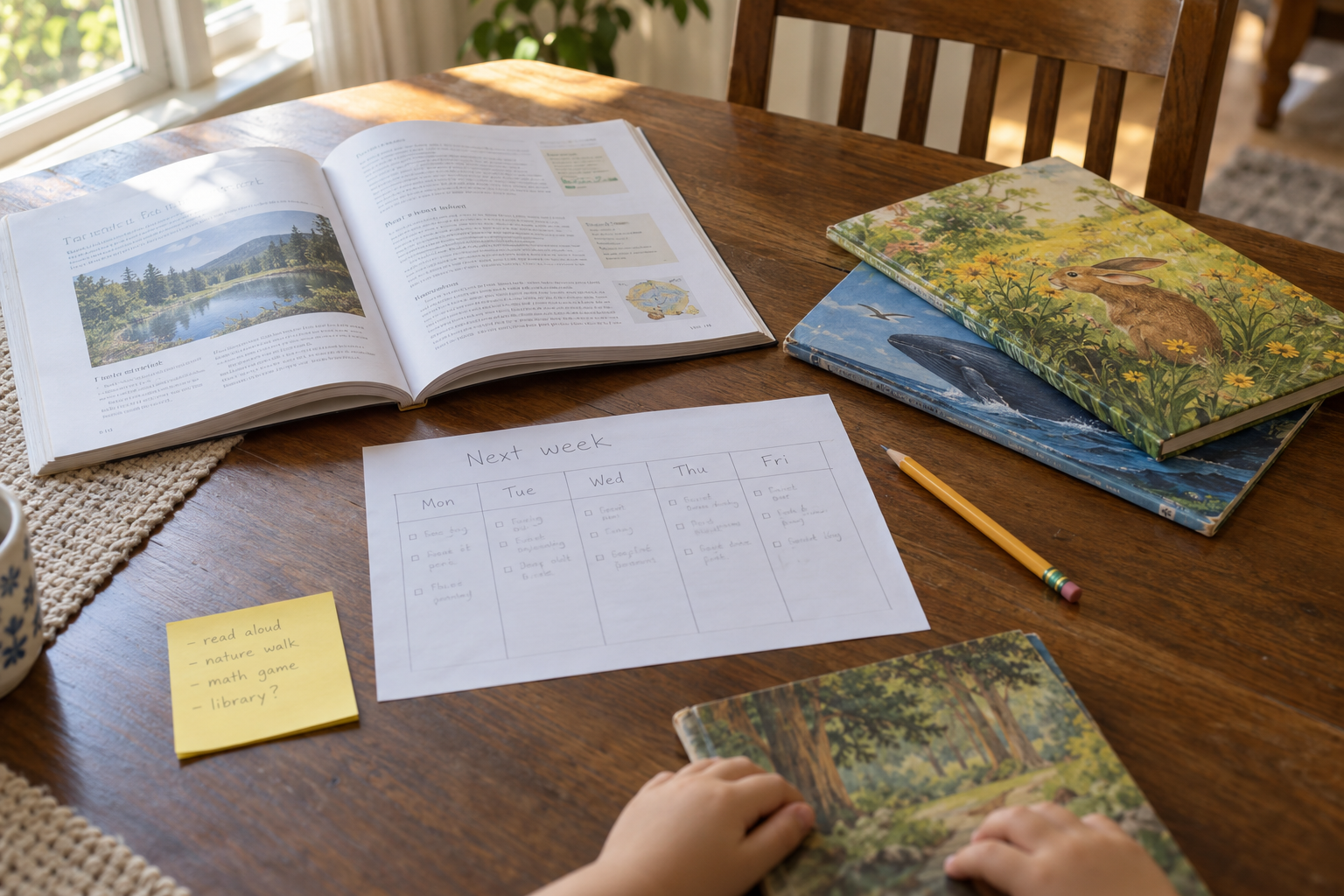
Understanding your child’s developmental stage is crucial for selecting workbooks that provide appropriate challenges without causing frustration. Children develop at different paces, but general guidelines can help parents identify suitable content levels. Many workbooks structure activities by the week, helping parents and children establish consistent weekly learning routines.
Ages 3-3.5: Foundation Building At this stage, children benefit from workbooks focusing on basic shapes recognition, primary colors identification, and simple matching activities. Large motor skills activities that involve big movements and easy-to-grasp materials work best. Content should include circle time concepts, basic opposites (big/small, up/down), and activities requiring minimal fine motor control.
If your child prefers more playful learning, mix in activities from fun educational activities for 3 year olds.
Ages 3.5-4: Skill Introduction As preschoolers develop better attention spans, they can handle introduction to letter recognition activities, counting to 10, and basic cutting and tracing exercises. Workbooks should include simple puzzles, beginning pattern recognition, and activities that prepare hands for holding writing materials properly.
You can also break up workbook sessions with movement from these gross motor activities for preschoolers.
Ages 4-4.5: Skill Development Children at this stage are ready for both uppercase and lowercase letter identification, phonics basics through sound-letter connections, and number writing practice. They can engage with more complex mazes, detailed coloring activities within lines, and beginning sight words recognition.
Ages 4.5-5: Kindergarten Preparation Pre-K children approaching kindergarten benefit from sight word recognition activities, simple addition and subtraction introduction, and comprehensive kindergarten prep content. They can handle multi-step instructions, complete longer activities requiring sustained attention, and work with smaller, more detailed materials.
For sensory rich learning breaks, try themed setups from sensory bins for toddlers.
Essential Skills Covered in Quality Preschool Workbooks
Pre-Literacy Development Quality workbooks systematically build reading foundations through alphabet recognition activities, phonics awareness exercises, and beginning sight words introduction. These materials help children understand that letters represent sounds, which combine to form new words. Vocabulary building activities expose children to expanded language while supporting comprehension development.
Pre-Math Concepts Mathematical thinking develops through number recognition exercises, counting activities with visual support, pattern identification games, and basic geometry introduction through shapes. These foundational concepts establish the cognitive infrastructure necessary for later mathematical reasoning and problem-solving.
Fine Motor Development Workbook activities strengthen the small muscles needed for writing through tracing exercises, cutting practice with child-safe scissors, and coloring within lines activities. Proper pencil grip development and hand-eye coordination improvement occur gradually through repeated practice with appropriately sized materials.
Critical Thinking Skills Puzzles, mazes, matching activities, and problem-solving games foster analytical thinking and logical reasoning. These exercises teach children to approach challenges systematically, building persistence and confidence in their ability to work through difficulties independently. Sometimes, these challenges can even lead to tears, but overcoming them is part of the learning process and helps build resilience.
Types of Preschool Workbooks Available
The market offers diverse workbook formats designed to meet different learning preferences and family needs. Understanding these options helps parents make informed choices that align with their educational goals and budgets.
All-in-One Curriculum Workbooks These comprehensive resources cover multiple subject areas including reading, math, science, and social skills within a single book. Many offer 20-30 weeks of structured activities, providing families with complete learning programs. They’re particularly effective for parents seeking systematic instruction without purchasing multiple specialized materials.
Subject-Specific Workbooks Focused workbooks target particular skill areas like phonics instruction, mathematical concepts, or fine motor development. These specialized resources often include worksheets that provide focused, structured practice in specific skill areas, supporting early literacy, sight word recognition, and foundational skills. This allows families to address specific learning needs or interests while providing deeper practice in targeted subjects.
Interactive and Multisensory Options Modern workbooks increasingly incorporate stickers, removable components, and QR codes linking to audio content. Some include music elements or hands-on materials that make learning more engaging for kinesthetic learners. These features transform traditional paper-based learning into multisensory experiences, which enhance retention of information by engaging multiple senses during the learning process.

Reusable Wipe-Clean Formats Wipe-clean workbooks allow repeated practice with dry-erase markers, making them cost-effective for skill reinforcement. These materials work particularly well for tracing activities, letter formation practice, and math exercises where repetition builds confidence and muscle memory.
Digital vs. Printed Options While traditional printed workbooks provide tactile engagement crucial for fine motor development, digital options offer interactive elements and immediate feedback. Many families find success combining both formats, using printed materials for writing practice and digital resources for interactive games and activities.
Popular Workbook Series and Publishers
Established Educational Publishers School Zone offers comprehensive collections with various educational materials tailored to different age groups and learning objectives. Their workbooks typically include clear answer keys and parent guidance materials, supporting effective home implementation. The Big Preschool Workbook from School Zone Publishing Company is bright and colorful, making it particularly appealing for preschoolers.
Specialized Learning Approaches Montessori-inspired workbooks emphasize hands-on learning and self-directed activities, allowing children to explore concepts at their own pace. These materials often include real-world applications and practical life skills integration alongside academic content.
Phonics-Focused Programs Systematic synthetic phonics programs provide structured approaches to reading instruction, building skills through logical progression from individual sounds to word formation. These specialized resources work well for children showing early interest in reading or those needing additional phonics support. The Foolproof Sight Words collection from Mrs. Wordsmith covers 200 high-frequency words through interactive activities, making it a valuable tool for early readers.
Interactive and Entertainment-Based Series Publishers like Highlights create puzzle books featuring Hidden Pictures and age-appropriate brain teasers that make learning feel like play. These materials excel at maintaining engagement while building critical thinking skills through enjoyable activities. Highlights activity books, including hidden picture books, are especially popular among preschoolers for learning new words and concepts.
When comparing options, consider factors like price point, educational credentials of authors, inclusion of teacher or parent guidance materials, and alignment with your child’s learning preferences. Quality workbooks typically range from budget-friendly options under $10 to comprehensive programs costing $20-30, making them accessible educational resources for most families.
How to Choose the Right Preschool Workbooks
Selecting effective workbooks requires careful consideration of your child’s individual needs, interests, and developmental level. A thoughtful approach ensures you invest in materials that will engage your preschooler while building essential skills.
Assessing Your Child’s Current Level Start by observing what your child already knows and enjoys. Can they identify some letters or numbers? Do they show interest in writing or drawing? Are they ready for cutting activities with safety scissors? Understanding their starting point prevents selecting materials that are either too advanced or too basic.
Consider your child’s attention span and preferred learning style. Some children thrive with detailed, quiet activities while others need more interactive, hands-on approaches. Visual learners benefit from colorful illustrations and clear formatting, while kinesthetic learners need workbooks incorporating movement and manipulation.
Matching Educational Goals Identify your primary objectives for workbook use. Are you preparing for kindergarten entry? Addressing specific skill gaps? Supporting advanced learners? Different workbooks emphasize various outcomes, from academic readiness to creative expression to social skills development.
Consider how workbooks will complement other learning experiences in your child’s life. If they attend preschool with strong phonics instruction, you might choose math-focused home materials. If they love art, look for workbooks combining creativity with academic content.

Quality Indicators to Seek Excellent preschool workbooks feature clear, age-appropriate instructions that children can understand with minimal adult support. High-quality illustrations should be engaging without being overly busy or distracting. Look for logical progression in difficulty levels and variety in activity types to maintain interest.
Educational credentials matter – check if authors have backgrounds in early childhood education, child development, or educational psychology. Quality publishers often provide research backing for their instructional approaches and include references to established learning theories.
Budget Considerations Preschool workbooks represent cost-effective educational investments compared to tutoring programs or specialized classes. Quality options range from $5-30, providing weeks or months of learning activities. Consider the cost per activity when comparing options – comprehensive workbooks often provide better value than smaller, specialized books.
Factor in reusability and sharing potential. Some families successfully use workbooks with multiple children or save them for review and reinforcement. Wipe-clean options extend usage life, while digital versions might offer family licensing for multiple children.
Red Flags to Avoid in Preschool Workbooks
Inappropriate Academic Pressure Avoid workbooks that push formal academic concepts too early or use teaching methods designed for older children. Materials emphasizing rote memorization without understanding or activities that require skills beyond typical preschooler capabilities can create negative associations with learning.
Poor Design and Production Quality Skip workbooks with unclear instructions, overly complex layouts, or illustrations that don’t support the learning objectives. Poor print quality, small fonts, or crowded pages can frustrate young learners and make activities less effective.
Missing Support Materials Quality workbooks include answer keys for parents and guidance on how to help children who struggle with specific activities. Avoid materials that provide activities without context or implementation suggestions, as these can lead to ineffective use and family frustration.
Unrealistic Expectations Be wary of workbooks claiming to teach advanced skills in unreasonably short timeframes or those that don’t acknowledge individual developmental differences. Effective materials support gradual skill building rather than promising immediate dramatic results.
Effective Strategies for Using Preschool Workbooks
Implementation strategy often determines whether workbooks become valuable learning tools or sources of family stress. Successful approaches focus on creating positive learning experiences that build both skills and confidence.
Creating Consistent Routines Establish regular times for workbook activities when your child is alert and engaged. Many families find success with 10-15 minute sessions that prevent fatigue while building attention span gradually. Some children work best in morning hours, while others prefer afternoon or early evening quiet time.
Design a dedicated learning space free from distractions like television or high-traffic areas. This doesn’t require elaborate setup – a simple table with good lighting, comfortable seating, and organized supplies creates an effective learning environment. Having materials easily accessible encourages independent initiation of learning activities.
Providing Appropriate Support Offer guidance without taking over the learning process. Read instructions together and ensure your child understands expectations before they begin working independently. Be available for questions while encouraging problem-solving attempts before providing answers.
Celebrate effort and progress rather than focusing solely on correct answers. Preschoolers need encouragement to build confidence in their learning abilities. When children make mistakes, use them as learning opportunities rather than correction moments.

Adapting to Individual Needs Modify activities as needed to match your child’s energy and attention levels. If they seem overwhelmed, break complex tasks into smaller steps. If they finish quickly and want more challenge, extend activities with additional questions or related tasks.
Pay attention to signs of frustration or disengagement. Some children need movement breaks between activities, while others benefit from background music or fidget tools. Flexibility in approach helps maintain positive associations with structured learning.
Integrating Real-World Applications Connect workbook activities to everyday life experiences. When working on counting exercises, count items during grocery shopping or setting the table. Letter recognition activities can extend to identifying signs during car trips or letters in family names.
Use workbook content as starting points for broader learning conversations. A shapes lesson might lead to a shape hunt around the house, or a story in a workbook could inspire dramatic play or art projects that reinforce the same concepts.
Balancing Workbook Time with Play-Based Learning
While workbooks provide valuable structured learning, they should complement rather than replace unstructured play experiences crucial for social and emotional development. Young children learn through exploration, experimentation, and social interaction – activities that workbooks alone cannot provide.
Importance of Unstructured Play Free play allows children to develop creativity, social skills, and emotional regulation in ways that structured activities cannot replicate. Children need opportunities to make choices, solve problems independently, and engage in imaginative scenarios that build cognitive flexibility.
Research consistently shows that play-based learning supports academic achievement while building important life skills like cooperation, communication, and conflict resolution. The most effective early learning programs combine structured instruction with abundant play opportunities.
Creating Complementary Experiences Use workbooks as launching points for hands-on activities. A lesson about farm animals might lead to pretend play with toy animals, while pattern recognition activities could inspire creating patterns with blocks or natural materials.
Encourage children to teach others what they’ve learned from workbooks. This reinforcement strategy helps consolidate learning while building communication skills and confidence. Children often enjoy being “teachers” to stuffed animals, younger siblings, or even parents.
Recognizing Balance Signals Watch for signs that your child needs more unstructured time versus more focused learning. Children who seem restless, resistant, or overly eager to finish might benefit from more active play. Conversely, children who seek out quiet activities or ask for “homework” might enjoy additional structured learning time.
The goal is creating a rhythm that supports your child’s natural learning style while building skills systematically. Most successful families find that short, regular workbook sessions combined with plenty of play time create optimal learning conditions.
Supporting Your Child’s Workbook Journey
Effective parental support can transform workbook activities from solitary tasks into positive bonding experiences that strengthen both skills and family relationships. The key lies in providing appropriate guidance while fostering independence and intrinsic motivation.
Providing Appropriate Guidance Your role involves facilitating rather than directing your child’s learning process. Read activity instructions together and ensure comprehension before your child begins working independently. When they encounter difficulties, guide them toward solutions rather than immediately providing answers. Encourage critical thinking by asking open-ended questions during workbook activities, which helps children develop problem-solving skills and confidence.
Model problem-solving strategies by thinking aloud when you encounter challenges. Show children that making mistakes is part of learning by demonstrating how to check work, try different approaches, or ask for help when needed. This modeling builds resilience and confidence in their own learning abilities.
Encouraging Independence Gradually increase your child’s responsibility for managing their workbook activities. Start by helping them gather supplies, then transition to having them collect materials independently. Eventually, many preschoolers can initiate their own workbook time when established routines make expectations clear.
Support self-assessment by teaching children to check their own work using answer keys or visual guides. This skill builds metacognitive awareness while reducing dependence on external validation for learning confirmation.
Addressing Common Challenges When children show resistance to workbook activities, explore underlying causes rather than forcing participation. They might be hungry, tired, overwhelmed by difficulty, or simply need a break from structured activities. Adjusting timing, difficulty, or format often resolves resistance issues.
For perfectionist children who become upset by mistakes, emphasize the learning value of errors and model self-compassion. Create safe spaces for imperfection by sharing your own learning mistakes and celebrating efforts over outcomes.
Tracking Progress and Celebrating Growth Document your child’s development through photos, work samples, or simple progress charts that visualize improvement over time. This documentation helps both you and your child recognize growth that might otherwise go unnoticed.
Celebrate milestones appropriately – completing a challenging page, mastering a new skill, or showing persistence through difficulty all deserve recognition. Keep celebrations proportional to achievements to maintain intrinsic motivation while acknowledging effort and progress.
Communication with Educational Team Share information about home learning activities with your child’s preschool teachers to ensure complementary rather than contradictory instruction. Teachers can provide insights about your child’s classroom learning style and suggest areas where additional home support might be beneficial.
If your child receives early intervention services or has special learning needs, coordinate workbook selection and implementation with professional recommendations. This coordination ensures that all adults supporting your child’s development work toward consistent goals using compatible methods.
Working collaboratively with educators creates a comprehensive support system that maximizes your child’s learning potential while avoiding confusion from conflicting approaches or expectations.
Frequently Asked Questions
Should I use workbooks if my child already attends preschool?
Yes, workbooks can effectively complement classroom learning when used appropriately. They provide additional practice opportunities for skills introduced at school and allow you to support your child’s learning at home. However, avoid duplicating exactly what’s being taught in school. Instead, communicate with teachers to understand classroom focus areas and choose workbooks that reinforce or extend those concepts. The key is ensuring workbook time doesn’t overwhelm your child or create pressure to accelerate beyond age-appropriate expectations.
What if my child shows no interest in workbook activities?
Lack of interest often indicates timing, format, or difficulty issues rather than inability or stubbornness. Try different times of day when your child is most alert and receptive. Consider alternative formats like interactive workbooks with stickers, audio components, or hands-on elements that appeal to their learning style. You might also try making activities more social by working together or letting them “teach” you. If resistance continues, take a break and return to workbooks later when developmental readiness might have increased.
How do I know if a workbook is too advanced or too easy for my preschooler?
Watch for clear signs during activity time. Too-advanced materials cause frequent frustration, requests for excessive help, or avoidance behaviors. Your child might struggle to understand instructions even with support or become upset when they can’t complete tasks independently. Too-easy materials lead to quick completion without engagement, requests for “harder” activities, or obvious boredom. The ideal difficulty level challenges your child while allowing successful completion with reasonable effort and minimal adult assistance.
Are digital workbooks as effective as printed ones for preschoolers?
Both formats offer unique advantages for different learning objectives. Printed workbooks provide essential fine motor practice through writing, cutting, and manipulating physical materials that digital formats cannot replicate. They also eliminate screen time concerns and allow for tactile learning experiences. Digital workbooks excel at providing immediate feedback, interactive elements, and engaging multimedia content. Most experts recommend a balanced approach, using printed materials for motor skill development and digital resources for interactive learning and engagement variety.
How much time should preschoolers spend on workbook activities daily?
Most early childhood educators recommend 10-15 minutes of focused workbook time for preschoolers, with flexibility based on individual attention spans and interest levels. This duration prevents fatigue while building concentration skills gradually. Some children might enjoy longer sessions occasionally, while others need shorter, more frequent practice periods. Bite-sized learning sessions are more effective than intensive study periods for preschoolers, as they align with their natural attention spans and energy levels.



Leave a Reply