
Preschool tantrum guide
4 Year Old Tantrums: Why They Happen, What’s Normal, and When to Worry
If your 4 year old is suddenly having tantrums, screaming meltdowns, anger outbursts, bedtime battles, or aggressive behavior, you are not alone. Four is still a big-emotion age, but there are clear ways to tell what is normal, what needs support, and how to respond without making it worse.

Toddler Tantrums Ages 2–5: Start Here
As toddlers grow, tantrums often become more emotional and behavioral. These guides help you respond in a way that actually works.
Four year old tantrums can feel confusing because many parents expect tantrums to be mostly over by now. But for a lot of children, age four is still a major emotional development stage. Your child may have more words than a toddler, but they still do not have adult-level impulse control, frustration tolerance, or emotional regulation.
That means a 4 year old may scream, cry, stomp, hit, refuse, collapse on the floor, or say dramatic things when they feel overwhelmed. The goal is not to panic or label your child as “bad.” The goal is to understand what is driving the behavior and respond with steady, consistent guidance.
Quick Answer: Are 4 Year Old Tantrums Normal?
Yes, occasional tantrums are normal at age four. They are especially common when a child is tired, hungry, overstimulated, disappointed, struggling with transitions, or trying to do something independently but cannot quite manage it yet.
What should be improving by age four is your child’s ability to recover, use words, accept support, and have fewer full-body meltdowns over time. If tantrums are getting more extreme, aggressive, or impossible to calm, that is worth paying closer attention to.
Why 4 Year Old Tantrums Still Happen
At age four, children are caught between big-kid independence and preschooler-level self-control. They want to choose, negotiate, lead, win, help, refuse, and be understood. But when things do not go their way, their nervous system may still move faster than their coping skills.
Four year old temper tantrums often happen because your child’s brain is still developing the ability to pause, think, and choose a better response. That does not mean you ignore the behavior. It means you respond as a teacher, not as someone trying to “win” the power struggle.
Tantrums at this age often improve when parents shift away from reactive discipline and focus more on positive discipline, firm boundaries, and age-appropriate expectations.
At 4, tantrums are usually about regulation, not manipulation.
Your child may be testing limits, but that does not mean the meltdown is fake. A 4 year old can want control and still be genuinely overwhelmed by frustration, disappointment, or sensory overload.
4 Year Old Tantrums vs Meltdowns
Parents often use “tantrum” and “meltdown” interchangeably, but they can feel different in real life.
A tantrum often has a goal.
Your child wants something, does not want something, or is protesting a boundary. They may calm faster once the situation changes, the boundary is clear, or they get support.
A meltdown often means the system is overloaded.
Your child may be past the point of reasoning. They might scream, cry, hide, lash out, or become unreachable because they are flooded by emotion, sensory input, tiredness, or stress.
Either way, your response should be calm, clear, and safe. You can hold boundaries while still helping your child regulate.
Why Is My 4 Year Old So Angry?

If your 4 year old seems angry all the time, it may not be true anger in the adult sense. Often, anger is the emotion that shows up when a child feels powerless, tired, embarrassed, overstimulated, hungry, rushed, or misunderstood.
Some four year olds also have intense temperaments. They feel disappointment harder, recover more slowly, and react more dramatically than other kids. That does not mean something is automatically wrong, but it does mean they may need more help learning emotional coping tools.
Common reasons a 4 year old seems angry
- They are tired or not sleeping enough.
- They are hungry or crashing between meals.
- They are struggling with transitions.
- They want more independence than they can handle.
- They feel overstimulated after school, daycare, errands, parties, or screens.
- They do not yet have the words to explain what is wrong.
- They are seeking connection but showing it through difficult behavior.
If anger comes with frequent hitting, aggression, or unsafe behavior, you may also want to read how to stop a toddler from hitting without yelling.
4 Year Old Tantrums Getting Worse
If your 4 year old’s temper tantrums are getting worse, look for what changed before you assume it is just “bad behavior.” New school routines, poor sleep, illness, sibling stress, screen-time changes, travel, birthday parties, family stress, and big developmental leaps can all increase emotional outbursts.
Tantrums can also get worse when a child is stuck in a pattern where the meltdown leads to big reactions, long negotiations, or inconsistent boundaries. This does not mean your child is being manipulative. It means the pattern needs resetting.
What to check first
- Is your child getting enough sleep?
- Are tantrums worse before meals or bedtime?
- Are screens making behavior more intense?
- Are transitions triggering most meltdowns?
- Is preschool or daycare requiring a lot of emotional control?
- Are you giving lots of attention during the tantrum but less connection before it?
When tantrums escalate into constant refusal, arguing, or power struggles, it may connect to ongoing defiant behavior rather than isolated meltdowns.
4 Year Old Screaming Tantrums
Screaming tantrums are one of the most exhausting parts of parenting a preschooler. A 4 year old may scream because the emotion feels too big, because they are trying to regain control, or because screaming has become the fastest way to communicate distress.
The key is to keep your response boring, calm, and consistent. Do not scream over them. Do not lecture in the middle of it. Do not give in just to stop the noise if the boundary matters.
What to say during screaming
- “I hear you. I can’t let you scream in my face.”
- “You are very mad. The answer is still no.”
- “I will help when your voice is safe.”
- “You can be angry. I won’t let you hit.”
- “I’m going to stay close and keep everyone safe.”
If screaming is happening constantly, start by looking at patterns. Is it mostly bedtime? After daycare? When told no? During transitions? When overstimulated? That pattern will tell you what kind of support your child needs.
4 Year Old Tantrums and Hitting
Hitting, kicking, throwing, or aggressive tantrums need a firmer safety response. You can validate the feeling without allowing unsafe behavior.
Your child is allowed to be angry. They are not allowed to hurt people, pets, furniture, or themselves.
What to do if your 4 year old hits during tantrums
- Move your body or other children out of reach.
- Use a calm, short phrase: “I won’t let you hit.”
- Hold the boundary without debating.
- Offer a safe alternative after the peak passes: pillow, stomping, squeezing, ripping paper.
- Talk about repair later, once your child is calm.
For kids who need help regulating big feelings and busy bodies, combining heavy input with tools that calm the nervous system and fidgets that ease tension in hands can sometimes smooth rough patches.
4 Year Old Tantrums at Bedtime

Bedtime tantrums at 4 are extremely common. By the end of the day, your child may be tired, overstimulated, hungry, wired, or anxious about separation. That combination can turn a simple pajama request into a full screaming meltdown.
Some children become louder, more physical, more emotional, and more resistant right when parents expect them to calm down. This can be a sign of overtiredness or sensory overload, not proof that your child “isn’t tired.”
Bedtime tantrum helpers
- Use the same short routine every night.
- Build in connection before the final boundary.
- Reduce screens and wild play before bed.
- Use movement earlier in the evening if your child gets physically wild.
- Keep your words short once the meltdown starts.
- Try a predictable phrase: “It’s bedtime. I love you. I’ll check on you.”
If bedtime is your hardest window, these calming bedtime activities can help your child’s body settle before the final transition.
Key Triggers for Preschooler Tantrums
Most 4 year old meltdowns have a trigger, even when it does not look obvious at first. Your job is not to prevent every tantrum. Your job is to notice patterns so you can reduce the predictable ones.
Transitions
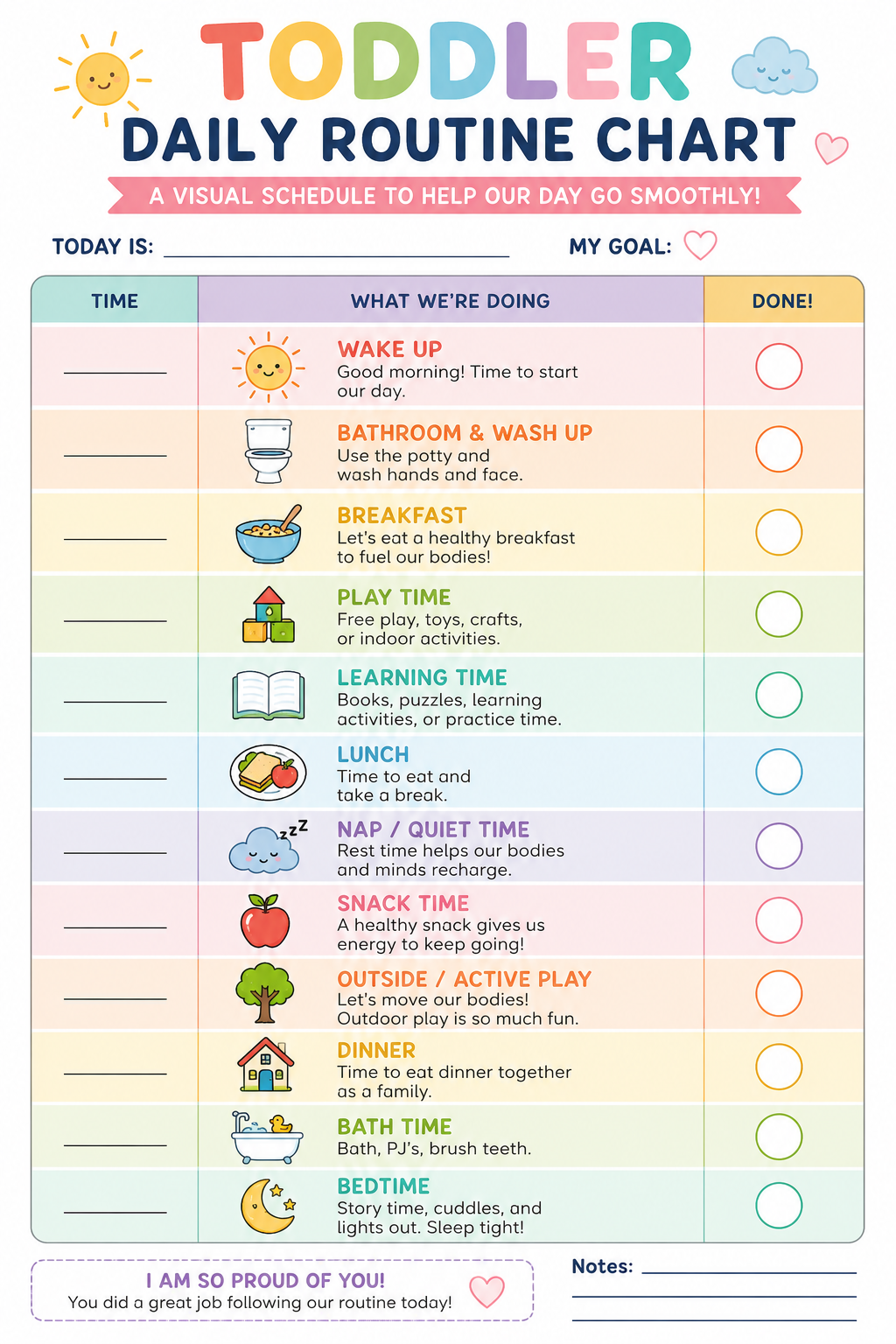
Stopping one activity and starting another is hard for preschoolers. If transitions trigger tantrums, use warnings, visual cues, and fewer words.
Sensory overload
Noise, crowds, bright lights, parties, scratchy clothing, and busy environments can all overwhelm a child. Watch for signs of overstimulation.
Hunger and tiredness
Even emotionally mature kids fall apart faster when they are hungry or exhausted. For four year olds, snacks and sleep still matter a lot.
Preschool and daycare restraint collapse
A huge trigger for preschoolers can be daycare pickup, because they have often held it together all day. Read more about why kids meltdown after daycare.
If birthday parties are a common trigger, use these birthday party games for three year olds to keep the energy fun and inclusive without competitive meltdowns.
For children with sensory triggers, these sensory activities to calm an overstimulated toddler and this type of quiet activity can help before they fully spiral.
How to Deal With 4 Year Old Tantrums in the Moment
During a tantrum, your child is not ready for a lesson. Their thinking brain is not fully online. This is why long explanations, lectures, threats, and repeated questions usually make things worse.
Use this simple sequence
- Pause first. Take a breath before reacting.
- Name the feeling. “You are really mad.”
- Hold the boundary. “The answer is still no.”
- Keep everyone safe. Block hitting or move away.
- Use fewer words. Do not negotiate mid-meltdown.
- Repair later. Talk once your child is calm.
If your child is trying to get your attention through big behavior, this guide on what to do when your child is not listening can help you shift the pattern.
What Not to Do During a 4 Year Old Tantrum
- Do not try to win the argument.
- Do not ask too many questions while your child is flooded.
- Do not shame them for having big feelings.
- Do not ignore unsafe behavior.
- Do not keep changing the boundary once you set it.
- Do not give a long lecture during the peak of the tantrum.
After the tantrum, you can talk about what happened, practice better words, and repair. During the tantrum, keep it simple.
When Should You Worry About 4 Year Old Tantrums?
Most 4 year old tantrums are normal. But some patterns deserve extra support. You are not overreacting if your gut says the tantrums feel beyond what you are seeing in other children.
Talk with your pediatrician if tantrums:
- Happen multiple times a day on many days.
- Regularly last longer than 25–30 minutes.
- Include frequent hitting, kicking, biting, or property destruction.
- Include self-harm, head banging, or attempts to hurt themselves.
- Interfere with preschool, family life, sleep, or normal routines.
- Are getting worse instead of gradually improving.
- Come with major anxiety, regression, sleep changes, or loss of skills.
Getting support does not mean something is “wrong” with your child. Sometimes it simply gives you a better plan.
How to Help Your 4 Year Old Build Emotional Regulation
The real goal is not just fewer tantrums this week. The goal is helping your child slowly build the ability to notice feelings, name them, tolerate frustration, and recover after disappointment.
Name feelings out loud
“You are disappointed.” “You wanted more time.” “You are mad that I said no.” This builds emotional language.
Practice calm-down skills when calm
Do not introduce breathing, squeezing, or calm-down corners for the first time during a meltdown. Practice when your child is regulated.
Use predictable boundaries
Children feel safer when they know what to expect. Inconsistent boundaries often create more testing and bigger reactions.
Repair after hard moments
Once calm, say what happened, name the boundary, and practice what they can do next time. Keep it short and warm.
For older preschoolers, using age-appropriate consequences for older kids can help when behavior needs a clear follow-through.
Related Parenting Guides
These guides pair well with this one if tantrums are part of a bigger behavior pattern.
Common reasons toddlers and preschoolers scream. How to Stop a Toddler From Hitting Without Yelling
What to do when tantrums turn physical. Signs Your Toddler Is Overstimulated
How to spot overload before behavior explodes. Sensory Seeking Behaviors in Toddlers
Why some kids crash, climb, spin, and seek big input. How to Keep Toddler in Bed
For bedtime battles and night resistance. Easy Toddler Lunch Finger Foods
Simple meal ideas when hunger is part of the meltdown pattern. Best Independent Play Toys for Toddlers
Open-ended play tools for calmer independent play.
Frequently Asked Questions
Are tantrums normal for a 4 year old?
Yes. Occasional tantrums are normal for many 4 year olds, especially when they are tired, hungry, frustrated, overstimulated, or struggling with transitions. Tantrums should usually become less frequent and easier to recover from over time.
Why is my 4 year old suddenly having more tantrums?
Tantrums often increase during periods of poor sleep, illness, routine changes, preschool stress, family stress, screen-time changes, or developmental growth. Look for patterns before assuming the behavior is random.
Why is my 4 year old so angry?
A 4 year old may seem angry when they are actually overwhelmed, tired, hungry, disappointed, embarrassed, overstimulated, or trying to regain control. Anger is often the loudest emotion, not always the root emotion.
How do you deal with 4 year old tantrums?
Stay calm, keep your words short, name the feeling, hold the boundary, and keep everyone safe. After the tantrum, talk briefly about what happened and practice what your child can do next time.
When should I worry about 4 year old tantrums?
Check in with your pediatrician if tantrums are very frequent, last longer than 25–30 minutes, include self-harm, frequent aggression, property destruction, major regression, or interfere with school and family life.
Why are 4 year old tantrums worse at bedtime?
Bedtime tantrums often happen because of overtiredness, sensory overload, separation anxiety, transitions, or accumulated frustration from the day. A predictable routine and calming activities before bed can help.
What should I do if my 4 year old hits during tantrums?
Block the hitting calmly and say, “I won’t let you hit.” Move other people out of reach if needed. Once your child is calm, practice safe alternatives like stomping, squeezing a pillow, or using words.
Helpful Parenting Resources
- Positive parenting strategies from Zero to Three
- Toddler behavior and development guidance from the American Academy of Pediatrics
- Evidence-based toddler behavior support from Raising Children






Leave a Reply