
Disclosure: This post contains affiliate links. As an Amazon Associate, we earn from qualifying purchases at no extra cost to you.
These heavy work toys help sensory-seeking kids get the input they need to feel more regulated.
In this post:
- the best heavy work toys
- how they support regulation
- simple ways to use them
Key Highlights
- Heavy work toys provide proprioceptive input to help children with sensory needs.
- These toys support sensory processing, which can improve focus and self-regulation.
- Engaging in heavy work activities helps develop a child’s body awareness and motor skills.
- Top picks include classic sensory toys like weighted blankets and crash pads.
- You can easily integrate these activities into daily routines for consistent sensory support.
- Choosing the right toy means matching it to your child’s unique energy levels and preferences.
Introduction
Does your child seem to have endless energy, always seeking out physical activity? This might be their sensory system asking for a specific kind of input. Heavy work toys are a fantastic way to meet these sensory needs in a fun and playful manner. These tools are designed to help children with their sensory processing by engaging their muscles and joints. This guide will explore the best heavy work toys and how they can help your child feel more calm, focused, and in control.

Understanding Heavy Work Toys and Sensory Needs
Heavy work activities involve pushing, pulling, or carrying heavy objects, which engages the body’s muscles and joints. Activities involving resistance, such as pushing, pulling, or lifting, engage a child’s muscles and joints through heavy work. For children with certain sensory needs, these actions are incredibly organizing and calming. They provide powerful feedback to the proprioceptive system, which is our sense of body awareness.
By understanding how these toys work to provide sensory input, you can better support your child’s development. Let’s look at what heavy work toys are and how they can improve your child’s motor skills and sensory processing.

What Are Heavy Work Sensory Toys and How Do They Support Kids?
So, what exactly are heavy work toys? These are specific items designed to provide proprioceptive input by making your child push, pull, lift, or carry. Think of activities that really work the muscles and joints. This input sends signals to the brain that help calm and regulate the nervous system.
For a child who struggles with sensory processing, the world can feel chaotic. Heavy work sensory toys provide an organized and predictable form of sensory input. Heavy work toys help children understand where their body is in space, which is crucial for coordination and control. This helps them process information from their environment more effectively.
Ultimately, these sensory activities support sensory integration, which is the brain’s ability to organize sensory information for use. Through play, these toys can provide extra proprioceptive input and help children regulate, making your child feel more grounded and in control of their body, leading to better focus and a calmer state of mind.
The Role of Proprioceptive Input Toys in Child Development
The proprioceptive system is like your body’s internal GPS. It tells you where your body parts are without you having to look. Toys that provide proprioceptive input are crucial for developing this sense. They absolutely help improve body awareness in children.
When a child engages with these toys, they get strong sensory input that strengthens the connection between their brain and body. This is essential for motor planning—the ability to think of and carry out a physical action. Better motor planning leads to improved coordination for tasks like writing or getting dressed, while also improving motor skills.
For children with sensory processing disorder, this input is even more critical. It helps regulate their sensory system, which can reduce feelings of being overwhelmed. Proprioceptive toys can help children develop their motor skills, coordination, and sensory regulation. By improving body awareness, fine motor skills, and motor skills, proprioceptive toys build a strong foundation for your child’s overall development and confidence.
Key Benefits of Proprioceptive Toys for Sensory-Seeking Kids
Using proprioceptive toys offers a wide range of benefits, especially for kids with sensory processing challenges. These purposeful proprioceptive activities help organize the sensory system, leading to a greater sense of calm and emotional balance. They provide the input sensory-seeking kids crave in a safe and constructive way.
Sensory toys can provide a range of benefits for children, including improved body awareness, coordination, and motor skills. Heavy work toys can help kids regulate their bodies before emotions spiral, which is often the missing piece when preschool meltdowns feel constant, especially around ages three and four and nothing seems to work.
By engaging the muscles, core muscles, and joints, these toys significantly improve body awareness and motor skills. This can lead to better focus in school, smoother interactions in social situations, and help improve balance. The following sections will explore these benefits in more detail.

Improving Focus, Body Awareness, and Self-Regulation
One of the biggest advantages of heavy work toys is their ability to improve focus. When a child’s sensory processing system is disorganized, it’s hard for them to concentrate. The strong proprioceptive feedback from these toys helps calm the nervous system, allowing the brain to pay attention to other tasks. A regulated nervous system is more receptive to learning and directed tasks, leading to increased focus and attention.
These toys are also fantastic for building body awareness. Activities like pushing a weighted cart or crawling through a tunnel give clear feedback to the muscles and joints. This helps your child understand where their body is in space, reducing clumsiness and improving coordination.
With a calmer nervous system and better body awareness comes improved self-regulation. Instead of feeling overwhelmed, a child can use these activities to manage their energy and emotions. Heavy work toys support sensory integration and give children a healthy coping mechanism, empowering them to handle sensory challenges more effectively.
Many sensory-seeking kids focus better after getting deep pressure input, particularly when that input is followed by calm, structured play that builds attention and thinking skills.
There’s a ton to explore on Feral Toddler
Click below to find the hub you need, whether you’re dealing with toddler play, sleep, meals, or tantrums.
Encouraging Active Play and Reducing Sensory Overload
Heavy work toys turn necessary sensory input into playtime. Instead of seeing it as a task, your child will be excited to jump, climb, and push. This encourages an active lifestyle and makes meeting their sensory needs a fun part of the day.
These sensory activities, including obstacle courses, provide a structured outlet for high energy, which can prevent sensory overload. When a child doesn’t get the sensory input their body needs, they might become restless, anxious, or have a meltdown. Offering a crash pad to jump on or resistance bands to pull gives them a safe way to release that energy.
Engaging in these playful activities in different positions also builds crucial motor skills. Climbing a play tunnel or jumping on a mini trampoline helps develop gross motor skills, balance, and coordination. It’s a win-win: your child gets the input they need while developing physical abilities.
Outdoor play options like playground equipment further support sensory regulation and motor development, making them excellent choices for active children. If you are unsure whether nonstop movement is developmentally typical, it helps to look at how regulation and early milestones overlap during the toddler years.
Top Picks: Best Heavy Work Sensory Toys for High-Energy Children
Ready to find the perfect heavy work toys for your energetic child? There are many fantastic options that provide the right kind of sensory input to support their sensory processing. These toys are designed to make proprioceptive activities fun and engaging, promoting sensory integration through play. Recommended heavy work toys include ride-on construction diggers, wheelbarrows, mini trampolines, and tools for building and sand play.
From timeless classics to unique, therapist-recommended tools and fidget toys, you can find something that fits your child’s needs and interests. Here are some of our top recommendations to get you started.
Classic Choices: Weighted Blankets, Crash Pads, and Resistance Bands
Some heavy work tools are considered classics for a reason—they are simple and highly effective. These items are often recommended first because they provide clear and powerful proprioceptive feedback and a variety of sensory experiences, including exposure to different textures.
A weighted blanket, for example, offers deep pressure input that has a calming effect on the nervous system, similar to a comforting hug. It’s perfect for quiet time or helping a child settle down for sleep. Meanwhile, a crash pad provides a safe and fun place for kids to jump and land, releasing pent-up energy.
Resistance bands made from stretchy material are another versatile tool that engages muscles in a controlled way. Here are some of the best classic choices:
- Weighted Blankets: Provide gentle, calming pressure. Using heavy work toys earlier in the day often leads to calmer evenings, especially for kids who struggle with settling their bodies at night once bedtime starts – but a weighted blanket is an awesome option for later in the evening.
- Crash Pads: Offer a soft landing zone for jumping and crashing.
- Resistance Bands: Made from stretchy material, can be used for stretching and strength-building exercises.
- Stress Balls: Classic tool for proprioceptive input, offering tactile stimulation and helping with sensory regulation.
Fun and Unique Heavy Sensory Toys Recommended by Therapists
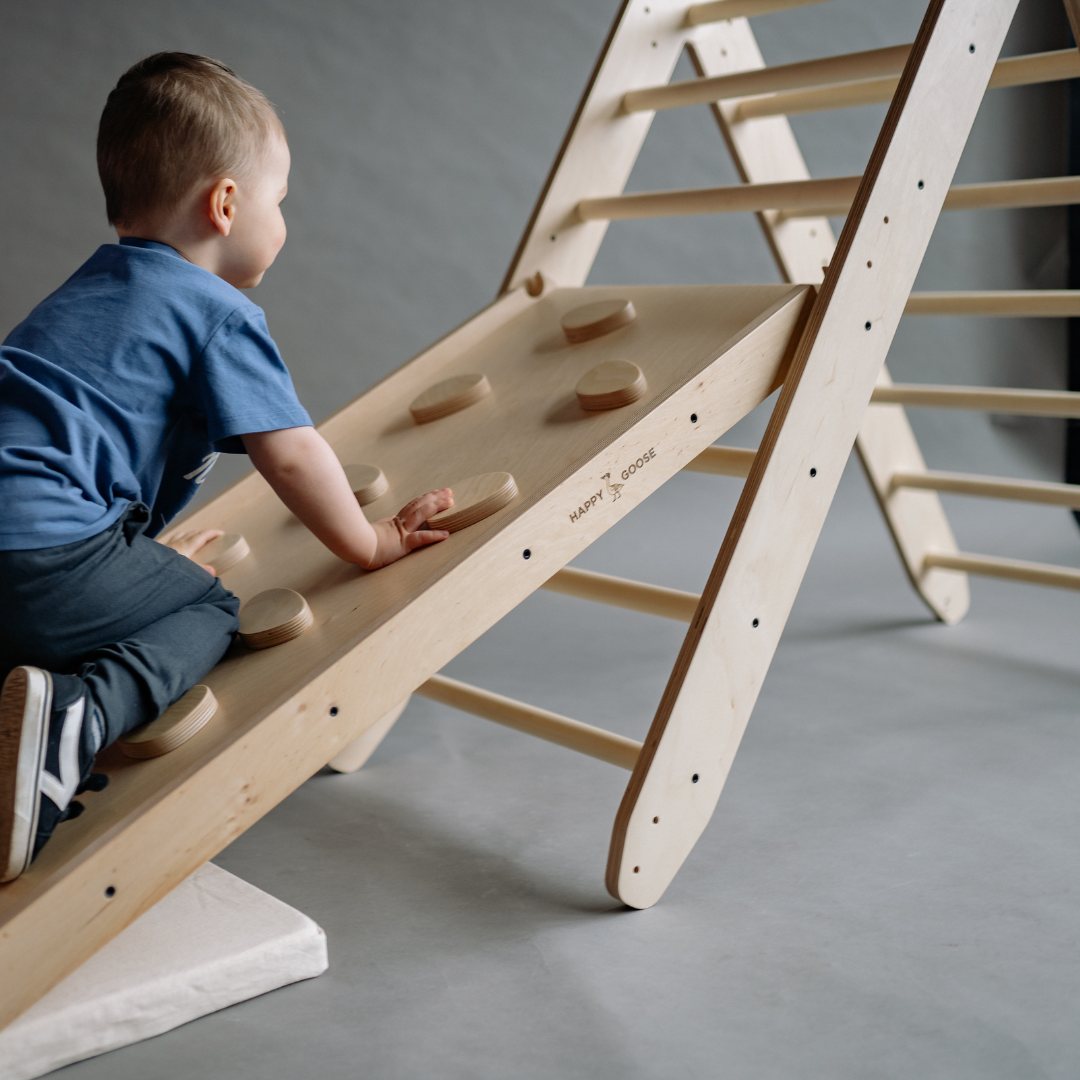
Beyond the classics, occupational therapy professionals often recommend a variety of fun and unique toys to support a child’s sensory system. These items provide heavy work input in creative ways, keeping children engaged while they play. Examples include climbing walls, balance boards, scooter boards, and yoga balls, which each offer unique sensory and movement experiences.
Proprioceptive toys can take many different forms, including weighted blankets, therapy balls, trampolines, swings, climbing walls, and balance boards.
A sensory sock, for instance, is a stretchy sack that a child can climb into. It provides deep pressure all over the body as they move and stretch inside, which is great for body awareness. A small indoor climbing wall or a ball pit can also offer excellent proprioceptive feedback. Toys like balance boards and scooter boards provide both proprioceptive and vestibular input, challenging balance and coordination. A yoga ball can be used for bouncing, rolling, or squishing exercises, supporting both proprioceptive and vestibular input. When using therapy balls or other inflatable toys, an air pump is often included for easy inflation and deflation.
Many of these toys are used in occupational therapy sessions and can easily be brought into your home. They offer a playful approach to meeting sensory needs and can help develop oral motor skills when using chew necklaces or other oral sensory tools.
Disclosure: This post contains affiliate links. As an Amazon Associate, we earn from qualifying purchases at no extra cost to you.
| Toy | How It Provides Heavy Work Input |
|---|---|
| Sensory Sock | Offers full-body deep pressure and resistance as the child moves. |
| Ball Pit | Pushing through the balls provides resistance and sensory feedback. |
| Vibrating Pillow | Gentle vibrations and pressure can calm the nervous system. |
| Scooter Board | Provides proprioceptive and vestibular input through pushing, spinning, and sliding activities. |
| Yoga Ball | Offers proprioceptive and vestibular input through bouncing, rolling, and squishing; can be inflated with an air pump. |
Matching the right heavy work toys to your child’s sensory needs is key to supporting their play, learning, and emotional well-being.
Safety Precautions When Using Heavy Work Toys
When introducing heavy work toys into your child’s daily routine, safety should always come first—especially for children with sensory processing challenges or developmental delays. While these toys are designed to provide valuable proprioceptive input, deep pressure, and support for body awareness, using them incorrectly can lead to unintended risks. Ensuring a safe sensory experience is key to helping your child gain the full benefits of sensory integration, emotional regulation, and improved motor skills.
Here are some essential safety precautions to keep in mind:
- Supervise playtime: Always keep an eye on your child when they’re using heavy work toys. Supervision is especially important for kids with sensory processing difficulties or those still developing their motor skills, as they may not always recognize their own limits.
- Choose the right size and weight: Select toys—like weighted blankets or resistance bands—that are appropriate for your child’s age, size, and strength. Using toys that are too heavy or large can overwhelm your child’s sensory system or even cause injury.
- Use toys as intended: Follow the manufacturer’s guidelines for each toy. Avoid using heavy work toys in ways that could be unsafe, such as throwing weighted items or using resistance bands for activities not recommended.
- Inspect toys regularly: Check all sensory toys for signs of wear and tear. Damaged toys can pose safety hazards, so replace them as needed to maintain a safe play environment.
- Teach safe use: Show your child how to use each toy properly and encourage them to listen to their bodies. Remind them to take breaks if they feel tired or overwhelmed, supporting their sensory regulation and emotional balance.
- Consider individual needs: Every child’s sensory needs are unique. Adjust or modify toys as needed to match your child’s preferences and comfort level, ensuring the activities provide the right kind of proprioceptive input without causing distress.
- Consult with an occupational therapist: If your child has specific sensory processing difficulties or developmental delays, seek guidance from a pediatric occupational therapist. They can recommend the best heavy work toys and strategies tailored to your child’s sensory processing skills and overall well-being.
By following these safety tips, you can help your child enjoy the many benefits of heavy work toys—such as improved body awareness, emotional regulation, and stronger motor skills—while minimizing risks. With thoughtful supervision and the right approach, heavy work toys can be a safe, effective, and enjoyable way to support your child’s sensory integration and daily well-being.
How to Choose the Right Proprioceptive Toy for Your Child
Choosing the right toy from so many options can feel overwhelming. The key is to focus on your child’s specific sensory needs and preferences, as many children have different ways of seeking sensory input. A toy that one child loves might not work for another. The goal is to find a tool that provides the correct input to help with their regulation and motor planning.
Every child’s sensory needs are unique, and the right toys can make a big difference in how they play, learn, and feel.
By observing your child’s behavior, you can get clues about what kind of proprioceptive input they are seeking. The following sections will guide you through matching toys to their needs and what features to look for when you shop.
Matching Sensory Preferences and Energy Levels
The first step in finding the appropriate solution is to observe your child. Do they love to jump and crash, or do they prefer deep, calming pressure? Their natural sensory preferences will guide you to the best toys. A child who constantly climbs on furniture might love a climbing wall, while a child who loves tight hugs might benefit from a compression vest.
Consider their energy levels throughout the day. A mini trampoline might be perfect for burning off energy after school, while a weighted blanket is better for winding down before bed. Having a variety of options allows you to provide the right sensory input at the right time.
Matching the toy to your child ensures they will actually use it. Think about these factors:
- Your child’s age and size. For young kids, choose age-appropriate heavy work toys like wobble seats or sensory balls. For older children, look for specialized sensory tools or therapeutic equipment designed for their developmental stage.
- Their specific interests (e.g., bouncing, climbing, squeezing).
- The type of sensory input they seem to crave.
- The space you have available in your home.
Features to Look For When Shopping Online in the United States
When you’re ready to start online shopping for sensory toys, it’s important to know what features to look for. In the United States, there are many online retailers, from large marketplaces to specialty shops focusing on therapy tools.
Safety should always be your top priority. Look for toys made from durable, non-toxic materials. Read product descriptions carefully to ensure the toy is age-appropriate and can withstand the kind of heavy use it will likely get. Customer reviews can also provide valuable insight into a product’s quality and durability.
Also, consider the toy’s purpose. Does it specifically target the skills you want to build, like body awareness or gross motor coordination? Make sure the toy is designed to provide input to the proprioceptive system, which can help with sensory processing and body awareness. Here are a few key features to check:
- Durability and high-quality materials.
- Clear safety guidelines and age recommendations.
- Positive customer reviews.
- Versatility for different types of play.
Creative Activities With Heavy Work Toys at Home
Once you have the right toys, you can start incorporating heavy work activities into your child’s day. These activities can be part of a “sensory diet,” which is a planned routine of sensory input designed to help your child stay regulated. The goal is to weave these moments of deep pressure and proprioceptive activities into your daily life.
Heavy work activities can be easily incorporated at home, in the classroom, and during therapy sessions to support children’s sensory needs.
You don’t need a complicated setup to get started. Simple, creative play ideas can promote sensory integration and provide the input your child needs. Group activities with heavy work toys can also encourage social interaction among children. Below are some easy ways to use heavy work toys with toddlers and older kids.
Everyday Play Ideas for Toddlers and Older Kids
You can easily turn everyday moments into beneficial proprioceptive activities. For toddlers who crave input, simple sensory activities can make a huge difference. Pushing a toy lawnmower or carrying a small bucket of water in the garden are great examples.
For older kids with sensory processing challenges, you can make the activities more complex. Building an obstacle course with couch cushions to crawl over and a tunnel to go through is a fantastic way to develop motor skills while getting heavy work.
Remember to keep it fun and follow your child’s lead. These activities provide input to the proprioceptive system, helping children become more aware of their body position and movement. Here are a few easy ideas to try:
- Jumping: Use a mini trampoline or jump on a crash pad.
- Pushing/Pulling: Have them push a laundry basket full of toys or play tug-of-war.
- Carrying: Let them help carry groceries or a stack of books.
- Crawling: Set up a play tunnel or have them crawl like different animals.
Integrating Heavy Work Activities Into Daily Routines
The most effective way to support your child’s sensory processing is to make heavy work a natural part of their day. Integrating these activities into everyday routines provides consistent input that promotes sensory integration and regulation. Incorporating heavy work into a child’s daily routine can contribute to their sensory processing development and self-regulation skills.
Think about chores that can double as heavy work. For example, have your child help push the vacuum cleaner, carry the laundry basket, or wipe down a table. These tasks provide deep pressure input and help develop gross motor skills without feeling like a special therapy session.
The goal is to find opportunities for movement and resistance throughout the day. Using sensory strategies within routines helps your child’s nervous system stay organized.
Looking for ideas for younger babies? Check out these Three Month Old Activities to Support Early Development.
- Mealtime: Have your child help carry pots and pans or mash potatoes.
- Playtime: Encourage building with heavy cardboard blocks or digging in a sandbox.
- Cleanup: Ask them to push a toy box back into place or stack chairs.
- Outdoor Time: Let them help with yard work by raking leaves or carrying a watering can.
Frequently Asked Questions (FAQ)
Many parents wonder how heavy work toys help with sensory processing. These toys can provide great sensory input, allowing kids to feel more balanced and grounded. Sensory regulation is about helping children find a balance that allows them to feel calm, focused, and ready to play or learn.
By engaging in heavy work activities, children gain better body awareness and improve their motor skills. Another common question is how to choose the right heavy work toy. Look for items that offer proprioceptive feedback, such as tug of war ropes, weighted blankets, or crash mats. These toys can cater to your child’s unique sensory needs while promoting fun and engaging play, and can help kids feel calmer, more secure, and emotionally regulated.
How do heavy work toys differ from other sensory toys?
Heavy work toys specifically target the proprioceptive system by engaging muscles and joints through resistance. Other sensory toys might focus on different types of sensory input, such as tactile stimulation (fidgets and textured toys), visual (lava lamps), or auditory (sound machines). Heavy work provides a unique kind of grounding sensory input.
Where can I buy heavy work sensory toys online?
You can find a wide variety of heavy work sensory toys online in the United States. Major retailers like Amazon carry many options, and there are also specialized online stores that focus on products for sensory processing and occupational therapy. Searching for “proprioceptive toys” is a great place to start.
Are there specific heavy work toys recommended by occupational therapists?
Yes, an occupational therapist will often recommend specific heavy work toys based on a child’s individual needs. Common recommendations include weighted vests, crash pads, resistance bands, and therapy putty. These tools are excellent for providing deep pressure and activating the proprioceptive senses through planned sensory activities.
Conclusion
In conclusion, heavy work toys play a vital role in supporting sensory-seeking children by enhancing their physical and emotional well-being. These toys not only provide proprioceptive input, which is crucial for body awareness and self-regulation, but they also promote active play, yoga poses, and help reduce sensory overload. By carefully selecting the right heavy work toys that match your child’s sensory preferences and energy levels, you can create a nurturing environment that fosters development and joy. Sensory toys can be an incredible tool to help support children’s experiences in the world around them. Explore the wide range of options available and consider integrating these toys into your daily routines for fun and beneficial activities. If you’re looking for more personalized advice on selecting the best toys for your child, don’t hesitate to reach out for a consultation.




Leave a Reply