
Sensory play is more than just messy fun. It supports development in ways that directly impact learning and behavior.
In this post:
- the key benefits of sensory play
- how it supports development
- simple ways to incorporate it

Key Highlights
Here are the key takeaways about the power of sensory play for your child’s development:
- Sensory play is any activity that engages a child’s senses, which is crucial for brain development.
- It strengthens motor skills, both fine and gross, by encouraging physical exploration.
- Sensory activities are fundamental for cognitive development, creating new neural pathways.
- Engaging in these activities helps boost language development as children describe their experiences.
- Popular sensory play activities include using a sensory bin, tactile play with different materials, and listening to sounds.
Introduction
Have you ever wondered why your child loves to touch everything, make a mess, or listen to strange sounds? This natural curiosity is the foundation of sensory play, a vital part of early childhood. Through sensory experiences, children actively make sense of the world around them. This type of play is more than just fun; it’s a powerful tool that supports everything from cognitive growth to language development, laying the groundwork for future learning and complex skills.

Understanding Sensory Play in Early Childhood
Sensory play is a cornerstone of early childhood development, describing any activity that stimulates your child’s senses. This goes beyond just touch, taste, sight, smell, and hearing; it also includes balance and body awareness.
Through sensory exploration, children gather sensory input that helps them understand their environment in a hands-on way. Let’s explore what this type of play is and why it holds such an important role in your child’s growth.
There’s a ton to explore on Feral Toddler
Click below to find the hub you need, whether you’re dealing with toddler play, sleep, meals, or tantrums.
What is Sensory Play and Why It Matters
At its core, sensory play is any activity that engages one or more of your child’s senses. From squishing playdough between their fingers to listening to the rustle of leaves, these experiences provide critical sensory input. This input is essential for building neural connections in the brain that support learning, memory, and more complex tasks.
Why is this so important? This type of play helps your child’s brain organize and interpret information. When children interact with a variety of textures and materials, they are not just playing; they are conducting small experiments that teach them about the world. This hands-on exploration is fundamental to their understanding of their surroundings.
Ultimately, these activities are building blocks for the development of motor skills, language, and problem-solving abilities. By encouraging your child to engage their senses through play, you are supporting their brain’s architecture and setting them up for a lifetime of learning and discovery.

The Science Behind Sensory Learning Benefits
The benefits of sensory play are deeply rooted in brain science. Every time your child engages in sensory experiences, they are creating and strengthening neural pathways. These pathways are like highways in the brain that transmit information, and the more they are used, the stronger and more efficient they become, which is essential for cognitive growth.
When a child touches something new or hears an unfamiliar sound, their brain gets to work processing this information. This process helps build new neural connections. A rich sensory environment allows the brain to knit together information from different senses into a complete, multi-sensory experience, which is a key part of brain development.
This integration of sensory information is what allows for more advanced learning. Activities that stimulate the senses are not just fun distractions; they are actively shaping your child’s brain. This foundation supports everything from academic learning to emotional regulation as they grow.
Key Benefits of Sensory Play for Children
Engaging in sensory play offers a wide range of benefits that touch on nearly every aspect of your child’s development. These activities are more than just entertainment; they are essential for helping children reach important developmental goals. From building physical strength to nurturing emotional skills, the advantages are immense.
This type of play allows children to develop crucial social skills and cognitive abilities in a natural, low-pressure environment. The following sections will highlight how these activities support brain development and physical coordination.

Supporting Brain Development and Emotional Well-being
Sensory play is a powerhouse for cognitive development. As children explore with their senses, they form new neural connections that are the building blocks of learning. Each new texture, sound, or smell helps their brain recognize, associate, and respond to the world, creating a complex web of knowledge. This process helps them make sense of the world in a tangible way.
Beyond cognitive growth, these activities are incredibly beneficial for developing emotional skills. The way a child’s brain receives and interprets sensory information is fundamental to their sense of safety. Positive sensory experiences can help a child feel more secure and less threatened by new things.
Furthermore, sensory play can be a very calming activity. For children who feel anxious or overwhelmed, activities like squishing dough or playing with water can provide a healthy outlet. This helps them process their feelings and supports their overall emotional well-being, paving the way for better self-regulation.
Building Motor Skills and Physical Coordination
One of the most visible benefits of sensory play is its impact on motor skills. Activities that involve pinching, scooping, and pouring, like playing in a sensory bin, help refine fine motor skills. These small, precise movements strengthen the muscles in your child’s hands and fingers, preparing them for tasks like writing and tying shoes.
At the same time, sensory play encourages the development of gross motor skills. Running, jumping, climbing, and swinging are all forms of sensory activities that build large muscle groups and improve physical coordination. This kind of play helps your child understand how to move their body through space effectively.
The brain uses sensory information from these activities to coordinate movements and adjust force. Whether it’s gently handling a fragile object or powerfully pushing a toy truck, your child is learning to control their body. This constant feedback loop between their senses and muscles is critical for physical development.
How Sensory Play Encourages Learning and Growth
Sensory exploration is a natural vehicle for learning and growth in young children. When kids engage their senses, they are actively investigating their environment, which sparks curiosity and a desire to learn. This hands-on approach makes abstract concepts more concrete and understandable.
These experiences also provide rich opportunities for developing social skills and language development. As children play together, they learn to communicate, share, and cooperate. Let’s look at how sensory activities specifically foster communication and social interaction.
Fostering Language and Communication Development
You might be surprised to learn how much sensory play contributes to language skills. Research suggests that language development involves more than just hearing words. When your child handles an object while you label it, it helps them connect the physical sensation to the word, creating a stronger memory link.
During sensory experiences, children are motivated to communicate what they are feeling, seeing, and smelling. Using descriptive words like “squishy,” “gritty,” or “cold” expands their vocabulary in a meaningful context. This firsthand experience gives them something tangible to talk about.
These activities also set the stage for social interactions. As children play alongside each other with shared materials, they naturally begin to talk, ask questions, and describe their actions. This collaborative environment encourages communication and turn-taking, which are essential components of social language.
Enhancing Social Interaction and Cooperation
Group sensory play activities are a fantastic way to build social skills. When children gather around a sensory bin or work together in a mud kitchen, they learn essential lessons in cooperation and sharing. These situations require them to take turns, negotiate for tools, and work toward a common goal.
These shared experiences also help develop emotional skills. Children learn to read social cues, understand others’ perspectives, and manage their own emotions within a group setting. For example, they might need to wait patiently for a turn with a favorite scoop, learning patience and self-control in the process.
By participating in these social interactions, children build positive relationships with their peers. Sensory play provides a fun and engaging platform for practicing these crucial life skills. It encourages teamwork and communication, laying the foundation for healthy social development.
Popular Types of Sensory Play Activities
There are countless sensory play activities you can introduce to your child, each offering unique benefits. Many of these activities are simple to set up and can be tailored to your child’s interests. From tactile play in a sensory bin to auditory exploration with household items, the possibilities are endless.
You can use different toys and materials to create engaging experiences that stimulate various senses. Let’s explore some of the most popular types of activities, starting with those that focus on the sense of touch.
Tactile Activities for Touch and Exploration
Tactile play, which focuses on the sense of touch, is one of the most common forms of sensory engagement. It allows children to explore a variety of textures, temperatures, and pressures with their hands. This hands-on exploration is fundamental for learning about the physical properties of objects.
Activities like finger painting, playing with playdough, or digging in a sensory bin filled with sand or water provide rich tactile input. Even simple building blocks with different shapes and surfaces offer valuable sensory information. These experiences teach children about concepts like soft, hard, smooth, and rough.
Here are a few easy tactile play ideas to try:
- Playing with shaving cream or whipped cream on a tray.
- Squishing and molding playdough or clay.
- Exploring a sensory bin filled with dry rice, pasta, or cotton balls.
- Making “mud pies” in a mud kitchen outdoors.
- Feeling different textured fabrics or papers.
Engaging the Senses: Sound, Sight, Smell, and Movement
Beyond touch, it is important to engage all of your child’s other senses. Auditory sensory play, for example, helps children differentiate between different sounds and can be as simple as listening to music or shaking a container filled with beans. Using musical instruments is another great way to explore sound.
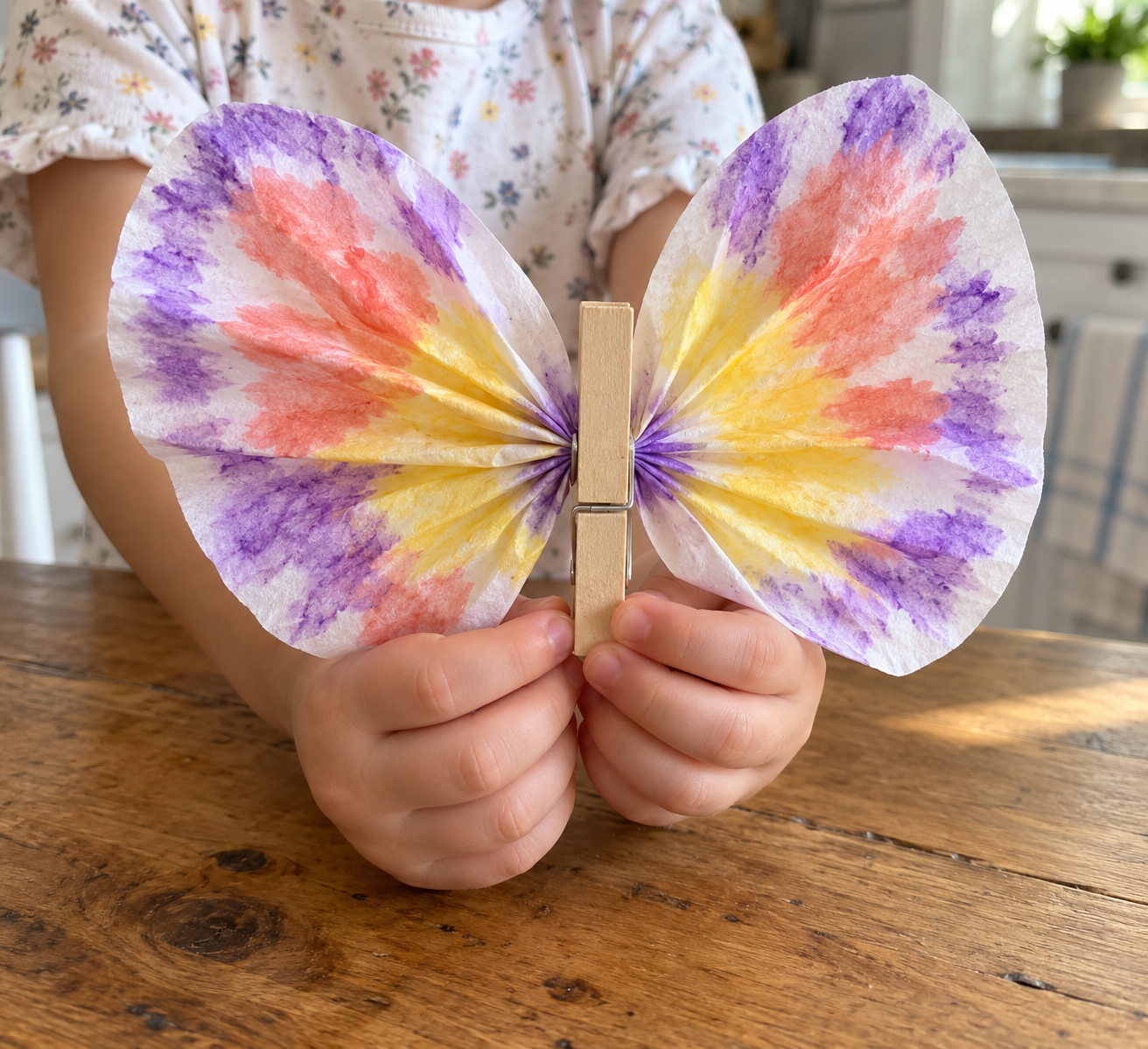
Visual activities stimulate the eyes with colors, light, and motion. You can create calming sensory bottles with glitter and water or explore how colors mix with food coloring. For toddlers, even looking at high-contrast images can support visual development. The sense of smell can also be engaged by adding scented herbs or extracts to playdough or a sensory bin.
Movement is another critical sensory experience, engaging the vestibular system (balance) and proprioception (body awareness). Swinging, spinning, and climbing all provide powerful sensory input. Below are some more ideas for engaging these senses.
| Sense | Activity Idea |
|---|---|
| Sound (Auditory) | Create a “sound scavenger hunt” to identify noises around the house. |
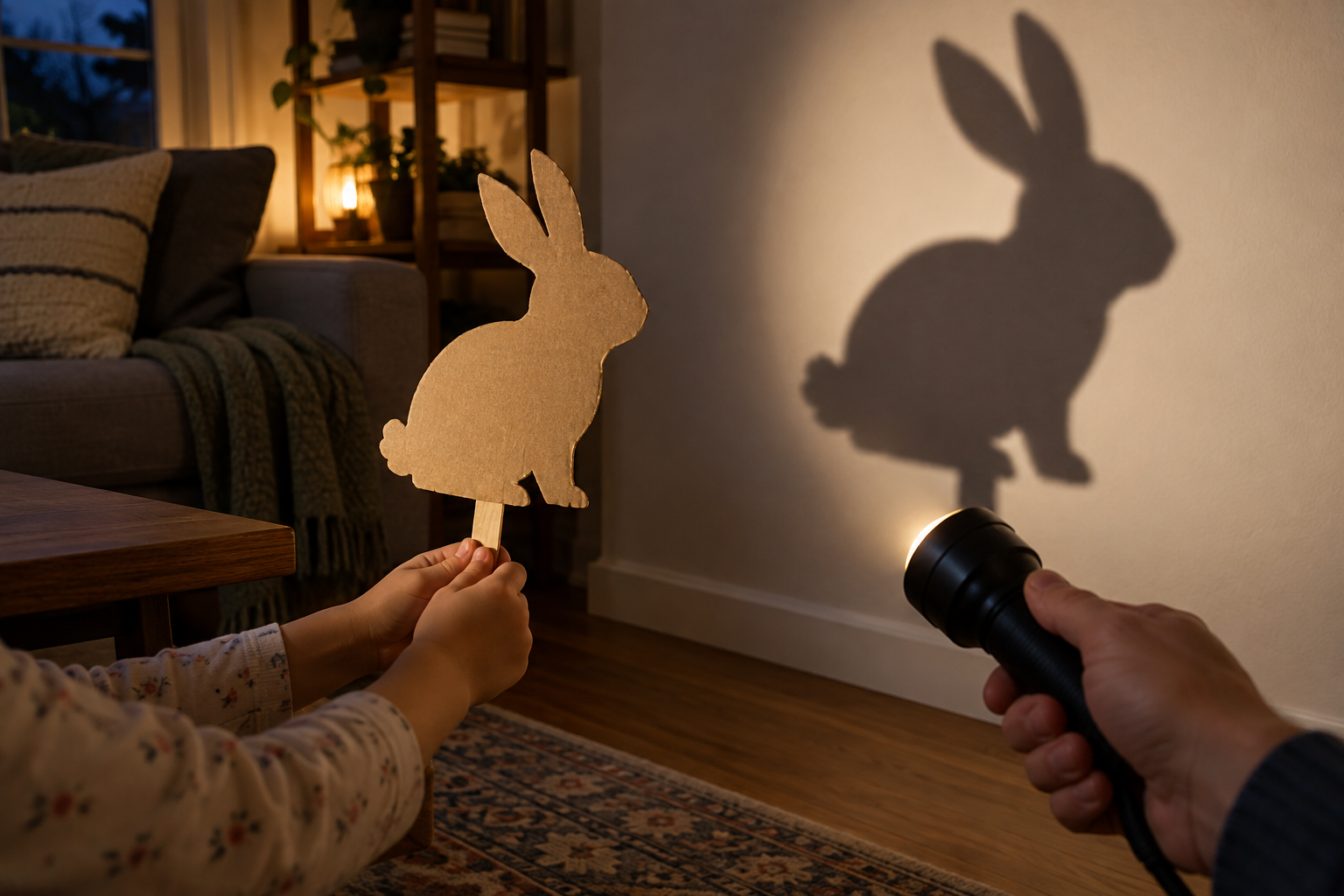
| Sight (Visual) | Play with flashlights to make shadows on the wall. |
| Smell (Olfactory) | Add cinnamon sticks or lemon slices to a sensory bin. |
| Movement (Vestibular) | Make an indoor obstacle course with pillows to climb over. |
Practical Ways for Parents to Integrate Sensory Play at Home
Incorporating sensory play into your daily routine doesn’t have to be complicated or expensive. You can find plenty of sensory play ideas using common household items. The key is to look for opportunities to engage your child’s senses during everyday activities and creative play.
By weaving simple sensory experiences into your child’s day, you can support their development without needing special equipment. The following sections offer simple ideas for daily activities and DIY projects you can easily do at home.
Simple Everyday Sensory Experiences
You can easily add sensory activities to your child’s daily routine. Mealtimes are a natural opportunity for exploring tastes and textures. Let your child help with simple cooking tasks, like stirring batter or washing vegetables. This allows them to feel different ingredients and smell the aromas.
Bathtime is another perfect moment for sensory input. The feel of the water, the sound of splashing, and the scent of soap all engage your child’s senses. Add some cups for pouring or sponges with different textures to enhance the experience. Even a walk outside can become a sensory adventure as your child listens to birds, feels the breeze, and touches leaves and rocks.
By viewing daily tasks as opportunities, you help your child make sense of the world. Here are a few simple ideas:
- Let your child play with pots and pans to explore different sounds.
- During laundry, let them feel the different textures of clothes.
- In the garden, encourage them to smell flowers and touch the soil.
Creative DIY Sensory Play Ideas Using Household Materials
Creating your own sensory play activities is a fun and budget-friendly option. Many household items can be repurposed for creative play. For example, you can make sensory bottles by filling empty plastic bottles with water, glitter, beads, or pom poms. These are great for visual stimulation and can have a calming effect.
A simple sensory bin can be made with a storage container and a filler like dry rice, beans, or pasta. Add scoops, cups, and small toys for hours of exploratory fun. You can also create a messy play station with a tray of shaving cream, allowing your child to draw and write with their fingers.
Here are some more DIY sensory play ideas using common materials:
- Fill balloons with flour, rice, or water for textured “stress balls.”
- Mix cornstarch and water to create “oobleck,” a fascinating non-Newtonian fluid.
- Freeze small toys in a block of ice and let your child chip them out.
- Use cooked spaghetti for a fun, edible tactile experience.
- Make your own playdough with flour, salt, and water.
Conclusion
In conclusion, sensory play is a vital aspect of early childhood development that promotes not just cognitive growth, but also emotional and social skills. By engaging in activities that stimulate their senses, children can build motor skills, enhance communication abilities, and foster cooperation with their peers. The benefits of sensory play extend beyond mere fun; they lay the groundwork for lifelong learning and resilience. As a parent, integrating simple sensory experiences into daily routines or exploring creative DIY projects can significantly enrich your child’s developmental journey. Start embracing the power of sensory play today and watch your child flourish! If you’re interested in more tips or personalized guidance, don’t hesitate to reach out for a free consultation.
Frequently Asked Questions
Does sensory play benefit children with special needs?
Yes, sensory play is highly beneficial for children with special needs. It can help them reach developmental goals by providing sensory input that is calming and organizing. Tailored sensory experiences can help children with sensory processing challenges better regulate their responses to their environment.
Can sensory play help reduce stress or anxiety in kids?
Absolutely. Sensory play can be a very effective tool for promoting emotional well-being. Repetitive and tactile sensory activities, like squeezing playdough or running hands through sand, can be incredibly calming, helping to reduce stress and anxiety by providing a healthy outlet for big emotions.
At what ages is sensory play most beneficial?
Sensory play is beneficial at all ages but is especially critical during early childhood. From infancy through the preschool years, young children are rapidly developing their brains and bodies. This type of play provides the essential experiences needed for child development, including building body awareness and cognitive skills.
Additional Resources

Leave a Reply