

Key Highlights
- Throwing is common toddler behavior and is often part of a normal stage of development.
- Many young children throw to build motor skills and learn simple cause and effect.
- At times, throwing happens because of big emotions, weak verbal skills, or attention-seeking.
- The good news is that calm responses, positive reinforcement, and clear boundaries can reduce throwing fast.
- Clear rules, steady follow-through, and safe redirection help teach good behavior in daily life.
Introduction
If your child is tossing toys, food, or random household items, you are not alone. In toddlerhood, this can show up suddenly and turn daily life into a mess of stress and cleanup. For many young children, throwing is not just misbehavior. It is often tied to learning, feelings, and growing control over their child’s body. Once you understand why it happens, you can respond in ways that feel calm, clear, and helpful instead of exhausting.
Understanding the Reasons Toddlers Throw Everything
Sometimes parents worry when a child keeps throwing everything without warning. In many cases, this toddler behavior starts because your child has reached a new stage of development. Throwing can be a normal way to explore, test limits, and see what happens next.
It can also appear when big emotions take over. Frustration, overwhelm, or trouble using words may lead your child to throw instead of speak. So yes, it is often a normal behavior for toddlers, but the reason behind it matters. That is why it helps to look at the patterns more closely.
Exploring cause and effect: Why toddlers throw toys and objects
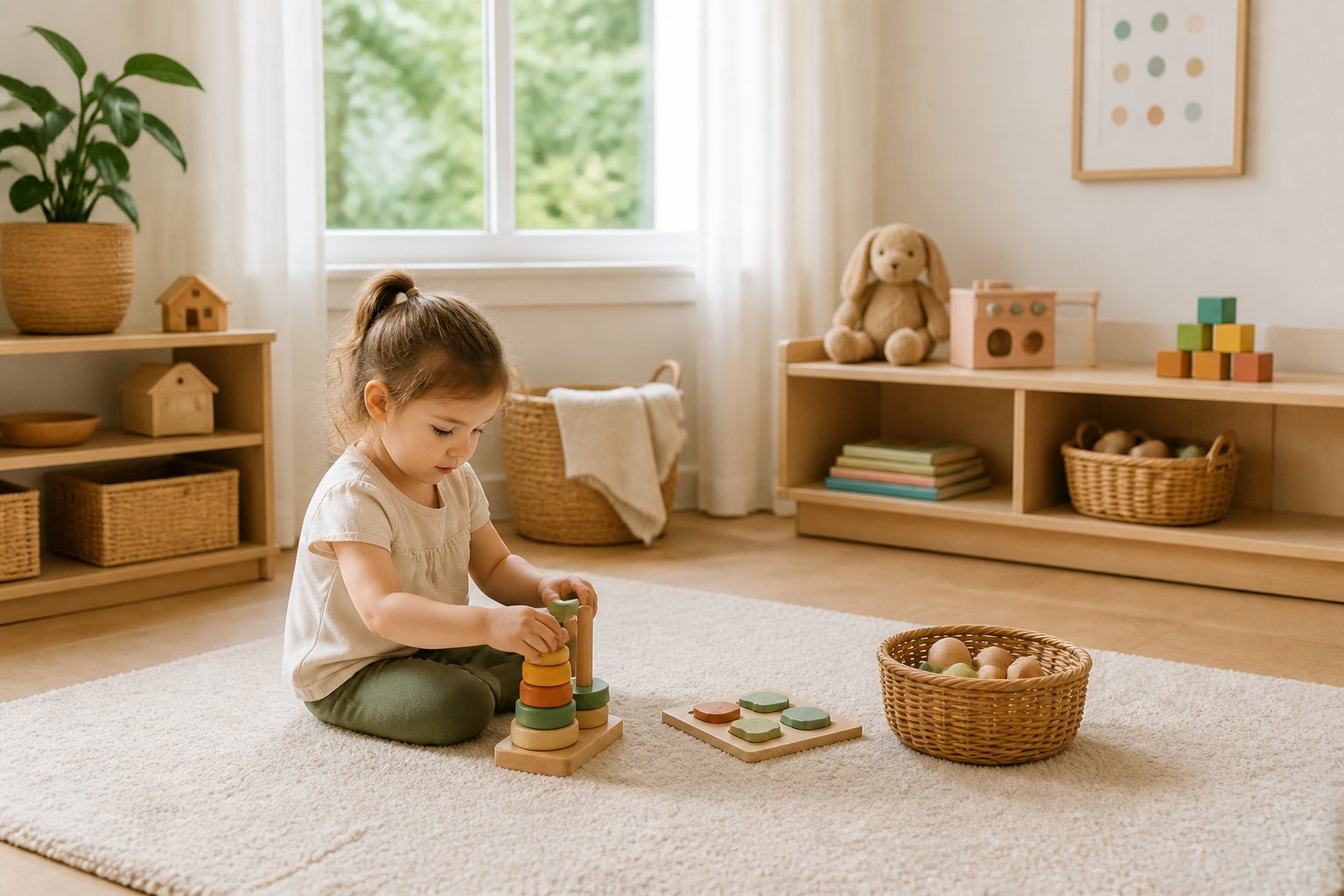
At this stage of development, your toddler is built to experiment. When they throw a toy, they are not always trying to be difficult. They may be asking, in their own way, “What happens if I do this?” That is why throwing can seem sudden.
Throwing teaches cause and effect. A cup falls, a block bangs, a spoon lands under the table. Your child notices sound, distance, and the reaction it creates. At the same time, they are practicing motor skills that support later movement and control.
This makes throwing a normal part of growth for many children. Still, normal does not mean you must allow it everywhere. You can guide good behavior by teaching where throwing is okay, what objects are safe, and what happens when toys are used the wrong way.
Emotional expression: How toddlers use throwing to communicate feelings
In toddlerhood, feelings often move faster than words. A child may be mad, frustrated, tired, or overwhelmed but not have the verbal skills to explain it. Throwing becomes a quick way to show those big emotions.
You might notice this when your child throws objects at you after a limit is set or a demand is placed. In that moment, your response matters. A calm tone of voice helps more than a long lecture. Strong emotion from you can add even more fuel.
Try to think of the throw as communication, not just defiance. Keep everyone safe, remove the item, and stay steady. When your child is calm again, reconnect and move on. That approach teaches that feelings are real, but throwing at people is not the way to express them.
Attention-seeking: When throwing becomes a way to get noticed
Sometimes the reason is simple: throwing works. If your toddler gets a big reaction every time an object flies across the room, the behavior may turn into attention-seeking. This can happen even when your response is negative, because social interaction itself can feel rewarding.
A child may suddenly start throwing everything after a change at home, a stressful day, or a moment when they want more connection. The good news is that this pattern can change when your response changes.
Common mistakes include:
- giving long explanations in the moment
- negotiating or bribing after the throw
- repeating warnings again and again
- showing a big emotional reaction
When throwing gets attention, it can stick around. A calm, neutral response followed by warm attention for appropriate behavior sends a clearer message.
Developmental Stages in Throwing Behavior
Throwing looks different across ages. An infant may drop objects for sensory learning, while a child in toddlerhood may throw to explore, protest, or get noticed. That difference matters when you decide how to respond.
By the preschoolers stage, throwing may show up more in learning and play, but it can still be tied to frustration or testing rules. So yes, throwing can be normal, but the meaning shifts with age. Looking at each stage of development helps you set better expectations.
Infants vs. toddlers: Differences in throwing toys and food
An infant and a toddler may both drop or toss objects, but the meaning is not the same. For an infant, it is often sensory exploration. For a toddler, it may include learning, emotion, and testing limits. That is why the same action can need a different response.
Throwing toys and throwing food also tend to change with age. A baby in a high chair may drop food to watch it fall. A toddler may throw food because they are done eating, upset, or curious about your reaction.
| Age group | Common reason for throwing |
|---|---|
| Infant | Sensory exploration, object movement, early cause and effect |
| Toddler | Cause and effect, attention, frustration, growing independence |
| Throwing toys | Practice, noise, distance, control, reactions from adults |
| Throwing food | Curiosity, being full, tiredness, or boundary testing |
Knowing the stage of development helps you stay realistic. It is often normal, but your guidance should grow with your child.
Preschoolers: Throwing as part of learning and play
For preschoolers, throwing can become more purposeful. It may show up in games, pretend play, and active learning. In a playroom, a child might aim, test distance, or copy what other children are doing. At this age, throwing is often less random.
Social interaction plays a bigger part too. A preschooler may throw because peers are throwing, because a game has gotten silly, or because group excitement rises too fast. That is why daycare and shared spaces can bring out more of this behavior.
Effective strategies in group settings start with simple rules and predictable supervision. Children do best when adults clearly show what can be thrown, where it can happen, and when play needs to stop. Safe, structured throwing games can support learning without letting chaos take over.
Age-specific milestones related to child throws objects
When a child throws objects, it often connects to normal milestones. Early on, children are learning how their hands work, how objects move, and how their actions affect the world. That is part of healthy development, not just a behavior issue.
As children grow, gross motor skills help them throw with more force and distance. Fine motor skills help them grasp, release, and aim objects more intentionally. So a stronger or more accurate throw can simply mean your child is growing.
The stage of development still matters. A younger toddler may toss without much control, while an older child may pause, look at you, and throw anyway to test a limit. Both actions involve learning, but they call for different support, expectations, and boundaries from you.
Common Triggers for Throwing in Toddlers
Even normal toddler behavior has triggers. You may notice throwing shows up more during transitions, outings, meals, or busy parts of daily life. These patterns can make the behavior feel sudden when it is actually linked to stress, change, or overload.
Big emotions often sit underneath the action. A child who cannot explain what feels wrong may use their body instead. Once you spot the common triggers, it gets easier to prevent some throwing before it starts and respond with more confidence.
Changes in routine or environment
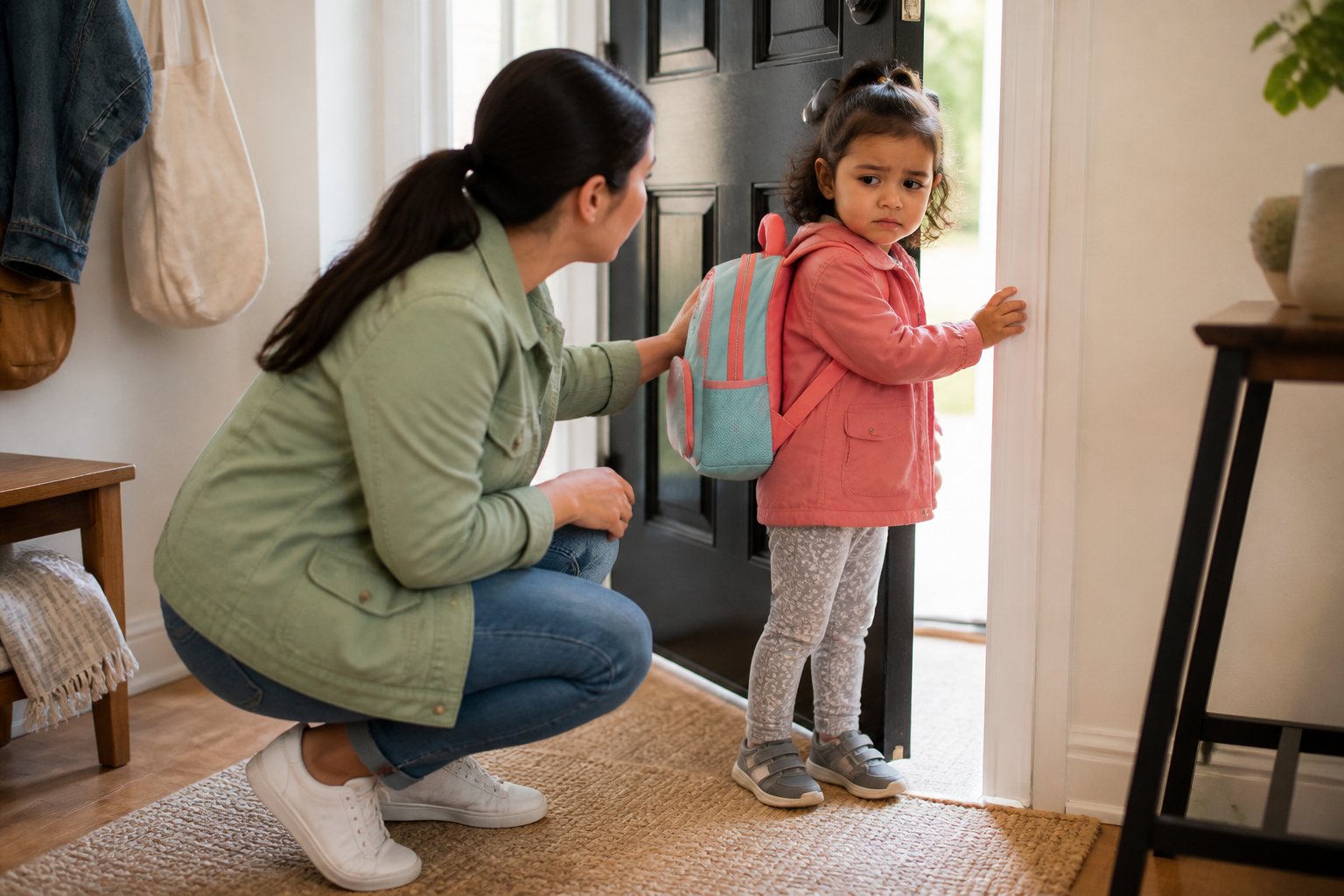
A change in routine can throw your toddler off fast. New places, skipped naps, travel, visitors, or a different schedule may lead to more throwing. What looks like bad behavior may really be a stressed response to an unfamiliar environment.
This shows up clearly when children move from a calm space to a busy one. A new house, a car ride, or a louder setting can increase overwhelm. Some children then use throwing as attention-seeking, while others do it because they feel unsettled.
Distraction can help in the short term, but structure matters more. Keep routines as steady as possible and prepare your child for changes with simple rules. When life shifts, your toddler often needs more predictability, not more talking. That makes it easier for them to stay regulated.
Hunger, tiredness, or overstimulation
At times, the trigger is physical. Hunger, tiredness, and overstimulation can lower your child’s ability to cope. A toddler who manages well in the morning may start throwing by late afternoon simply because their system is running out of steam.
You may also see throwing during long errands, crowded family events, or after too much noise and activity. In those moments, your child may not need discipline first. They may need support to reset before things get worse.
Watch for clues like:
- asking for a snack and then melting down
- rubbing eyes or getting silly from tiredness
- covering ears or getting wild from overstimulation
- pausing after a deep breath and calming with help
When these needs are met early, some throwing stops before it begins. Small adjustments can make a big difference.
Peer interactions and group dynamics at daycare
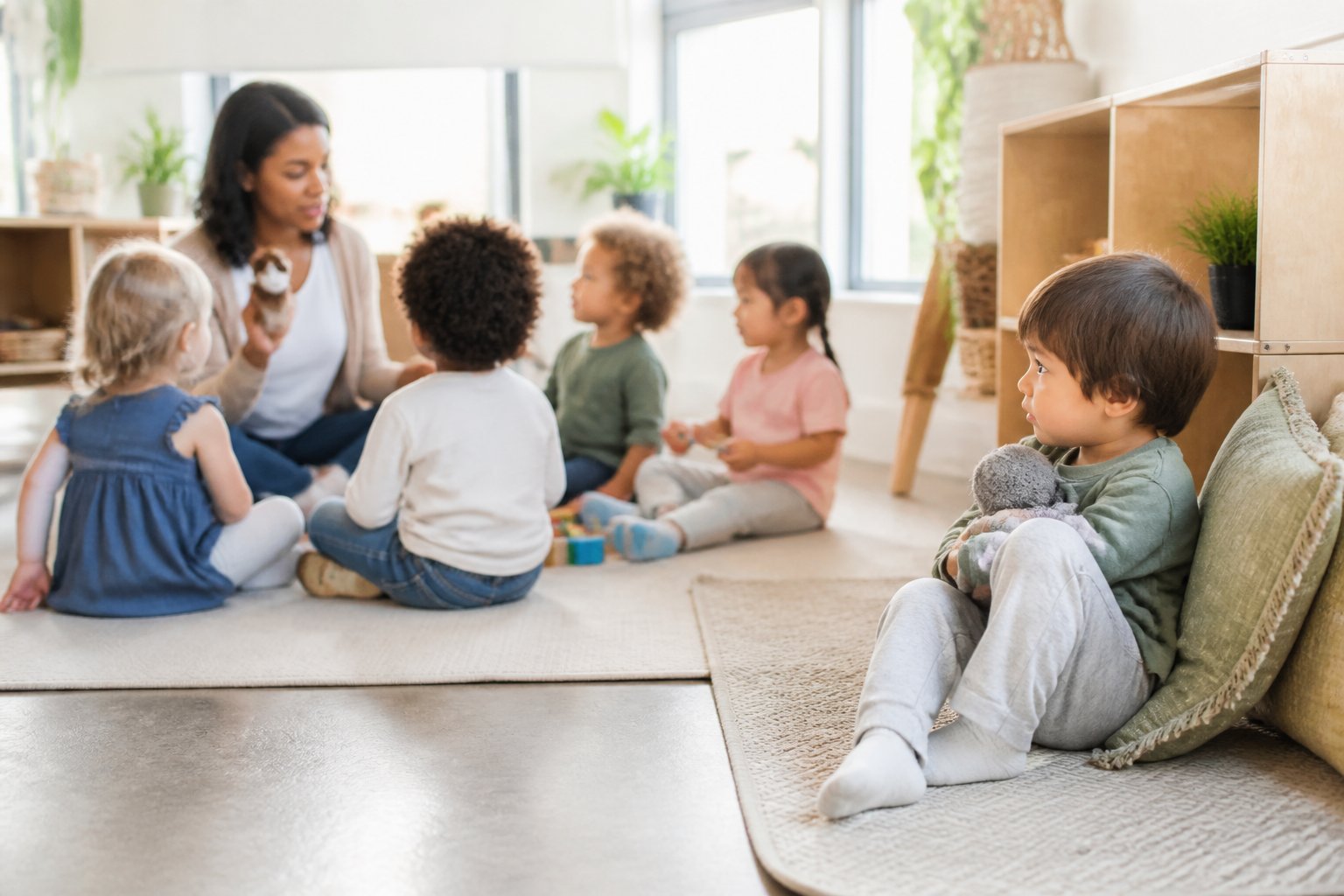
Daycare can be a tough place for a child who throws. There is more noise, more waiting, and more social interaction. A toddler may copy a peer, react to crowding, or throw because they want a toy another child has.
Group settings also make reactions bigger. If one throw stops the room, your child may learn that this is a fast way to control what happens next. That is why clear boundaries matter so much in daycare and other shared spaces.
Effective strategies include using the same simple rules across adults, limiting toys in high-stress moments, and responding quickly without drama. When teachers and parents stay consistent, children learn faster. Predictable expectations help your child understand that throwing does not change the rules, even in a busy group.
Throwing Is Communication
Before you stop the throwing, figure out what your toddler is trying to tell you
Toddlers throw for lots of different reasons. Sometimes they’re experimenting with gravity, sometimes they’re overwhelmed, and sometimes they’re trying to communicate frustration, excitement, or a need for attention before they have the language to explain it.
Looking at when your child throws can often reveal the cause. Does it happen during transitions? When play ends? When they’re tired? Or only around certain people? Those patterns are often far more useful than the throwing itself.
You may also find these guides helpful:
Responding to Throwing Behavior: Strategies for Parents
The best ways to get your toddler to stop throwing things are usually calm and simple. Clear boundaries, quick action, and steady follow-through tend to work better than lectures, threats, or bribes. Your goal is to stop the throw, keep people safe, and teach what to do instead.
Positive reinforcement matters too. When your child shows good behavior, calm hands, or a better choice, notice it right away. That kind of reinforcement helps the right habits grow. The next sections break down practical ways to interrupt, redirect, and teach new skills.
Safe ways to interrupt and redirect toddler throwing
When your toddler throws, think safety first. Move quickly, but stay calm. Safe ways to interrupt the behavior include removing the object, stepping back from flying items, and lowering stimulation. You do not need a big speech to make the point.
Then redirect. Your child may need a different action, not just a stop command. Distraction can help, especially if emotions are rising, but it works best when paired with clear expectations about what happens next.
Try steps like these:
- gently remove the item from your child’s hands
- turn attention away from the behavior once everyone is safe
- guide your child toward a calmer activity or safe object
Keep your words short and neutral. The goal is to interrupt the throw, reduce extra reinforcement, and show your child what to do instead. That protects safety while keeping the moment from turning into a power struggle.
Teaching positive alternatives to throwing toys toddler
Children need to know what they can do, not only what they cannot do. If your toddler loves to throw, offer positive alternatives in a specific place. This teaches that throwing is not always wrong, but it belongs in safe situations with safe objects.
You can make the rule simple: only certain items can be thrown, and only in certain spaces. Positive reinforcement helps your child understand this faster. Praise calm choices and correct use right away.
Helpful alternatives include:
- soft balls for outdoor play
- bean bags or beanbags tossed into a laundry basket
- gentle aiming games in a playroom
- carrying toys instead of tossing them during chores or transitions
This approach answers a big parenting question: how do you teach that throwing is only okay sometimes? You do it by being clear, consistent, and easy to understand.
Modeling appropriate behavior and using clear boundaries
Your child learns a lot by watching you. If Mommy and Daddy model appropriate behavior with calm hands, calm words, and a steady tone of voice, your toddler gets a clearer picture of what self-control looks like. That example matters more than long explanations.
Clear boundaries help too. Children do best when the rule stays the same from one day to the next. If throwing a toy leads to removal one day but laughter the next, the message gets muddy. Consistency makes the rule easier to trust.
Common mistakes include changing the consequence, talking too much, and reacting emotionally. It also helps to avoid giving extra attention after the throw. A calm response, a simple boundary, and the same follow-through each time usually teach more than a bigger punishment.
When Throwing Might Signal a Deeper Concern
Most throwing in toddlerhood is common, but there are times to look more closely. If your child throws aggressively to hurt others, cannot respond to simple guidance, or the behavior keeps interfering with daily life and social activities, it may be worth getting support. Patterns matter more than single rough days.
As a gentle disclaimer, this article is general information, not medical advice. If you feel worried, reach out to your pediatrician. Severe or persistent behavior may need professional input, especially if usual changes in reinforcement, routines, and clear rules do not help. Trust what you are seeing. If something feels bigger than a phase, asking questions is a strong next step.
Signs to watch for beyond typical throwing food toddler behavior
Throwing food at meals is common, especially for younger children testing limits or showing they are done. Still, some signs go beyond typical throwing food toddler behavior. The concern rises when the pattern is aggressive, constant, or disruptive across settings.
You may also notice that your child does not improve even with calm responses and clear boundaries. If throwing starts to affect daycare, family outings, or safety at home, that deserves attention. It is okay to talk with your pediatrician about what you are seeing.
Watch for signs such as:
- throwing objects to harm people on purpose
- no progress with repeated, consistent guidance
- behavior that disrupts daily life or social interaction often
General parenting content, terms of use, or affiliate links on websites are not a substitute for personal care. When in doubt, professional guidance can help you sort out what is typical and what needs more support.
Conclusion
In summary, understanding why toddlers throw things is essential for parents navigating this challenging behavior. By recognizing the varied reasons behind throwing—be it for communication, exploration, or attention—you can respond more effectively. Implementing strategies that promote safe redirection and positive alternatives will foster a supportive environment for your child’s development. It’s crucial to remain patient and consistent as your toddler learns appropriate ways to express themselves and interact with their surroundings. If you’re seeking personalized advice and strategies tailored to your child’s needs, don’t hesitate to get a free consultation with our experts today!
Frequently Asked Questions
Is it normal for a child to throw objects at home and outside?
Yes, this toddler behavior is often normal and linked to a stage of development. You may see it in daily life in the playroom, at the park, or from a high chair. The key is teaching where throwing is safe and where it is not.
How can I teach my toddler that throwing is only okay sometimes?
Use clear rules and clear boundaries. For example, say that soft balls are for throwing, but blocks are not. Keep the rule the same every time. With consistency and positive reinforcement, your toddler learns that throwing is okay only in safe places with safe items.
What are common mistakes parents make when addressing throwing in toddlers?
Common mistakes include using a harsh tone of voice, giving too much attention after the throw, and changing the response from day to day. Distraction can help, but it should not replace clear expectations. Consistency and calm reinforcement usually work better than repeated lectures.



Leave a Reply