
Toddler Rain Gear for Puddle Days: Rain Suits, Separates and Boots
Dress for where the puddle is going to end up

A rain jacket is plenty for a short walk until your toddler sits down in the puddle. Before buying a whole new outfit, decide where the water usually gets in: the knees, the gap at the waist or the tops of the boots. Solve that problem first. Then check whether the new layer is one you can actually get off in the doorway.
Affiliate disclosure: I may earn a commission if you buy through an affiliate link. As an Amazon Associate I earn from qualifying purchases.
Rain suits, separates and boots to compare
The OAKI Rain and Trail Suit (affiliate link) is a one-piece option. I’d look at this style when the outing involves lots of crouching, muddy knees or sitting on wet grass. You have fewer gaps at the waist to think about. The tradeoff is that a bathroom stop or a quick layer change involves more of the outfit. Check the exact style and size against OAKI’s chart; the brand sells more than one style of one-piece suit.
The Reima Tihku rain set comes with a jacket and rain bottoms. Separates are handy if you already have a jacket you like, or if your child only needs the bottoms for wet slides. If the jacket you own is doing fine, compare the Reima Lammikko rain pants on their own rather than buying another set. With separates, check the overlap between jacket and bottoms when your child reaches up.
For boots, the Western Chief Firechief 2 is one pull-on option with handles. Measure with the socks your child normally wears. Look at the boot opening and where the rain trouser hem sits when the child bends. A tall boot can give you more overlap, but a boot your child won’t walk in is a poor trade.
Start with your own jacket, trousers or boots if they’re working. Use the product details and the review notes below to narrow the options before trying on your own layers.
What buyers noticed
These notes draw on linked owner reviews, independent testing where identified, and product details. I’ve called out individual experiences and gaps in the feedback so you can weigh them when you shop.
OAKI Rain and Trail Suit
Owners on OAKI’s site describe using the suit for mud and rain; one specifically recommended pulling the legs over the boot tops rather than tucking them in. I didn’t find a clear sizing complaint to generalize. Check the cuffs over your boots and the fit over the thickest layer you plan to use.
Reima Tihku rain set
A Shop buyer described coming back to this set each time they needed the next size for forest school. I didn’t find a clear fit complaint to generalize from the reviews I could verify. Try the jacket and bottoms together over regular layers so you can see whether they still overlap when your child reaches up.
Reima Lammikko pants
One reviewer on Reima’s Canadian site bought a size up for room to grow and found the legs long but the pants stayed on. That’s one family’s fit, not a sizing rule. Try the hem and foot loops with your own boots before deciding whether to size up.
Western Chief Firechief 2 boots
Zappos reviews include parents who liked the handles for getting boots on, and separate reports of leaking soles or seams. One parent found the fit too narrow for a wide foot. Try them indoors with the usual socks while returns are still easy, and check the retailer’s return terms if leak reports are a dealbreaker.

Try the setup at home before you commit
Choose the wettest part of your usual outing
Think about the way your child plays, not just the forecast. For a short pavement walk, a jacket and boots may be enough. If they kneel by a puddle or spend half the outing scooping water, put rain bottoms higher on the list. For a project like these mud kitchen activities, I’d also plan a change of clothes before worrying about another accessory.
Put the everyday layers underneath
Try the rain gear over the top and bottoms your child usually wears. Ask them to reach up, bend and take a few steps. Look for pulling at the shoulders and a hem that travels up the leg. If you need thicker layers for your climate, try them on during the fit check; a rain shell alone is not a substitute for warmth.
Check the join between boots and trousers
Arrange the hem according to the garment instructions and check it again after a squat. If fabric bunches into the boot or the cuff pulls up, try adjusting the straps where the item allows it. Recheck the length before going up a boot size just to make the clothes fit together. A spare pair of socks by the door gives you an easy reset after a splash over the top.
Rehearse taking it all off
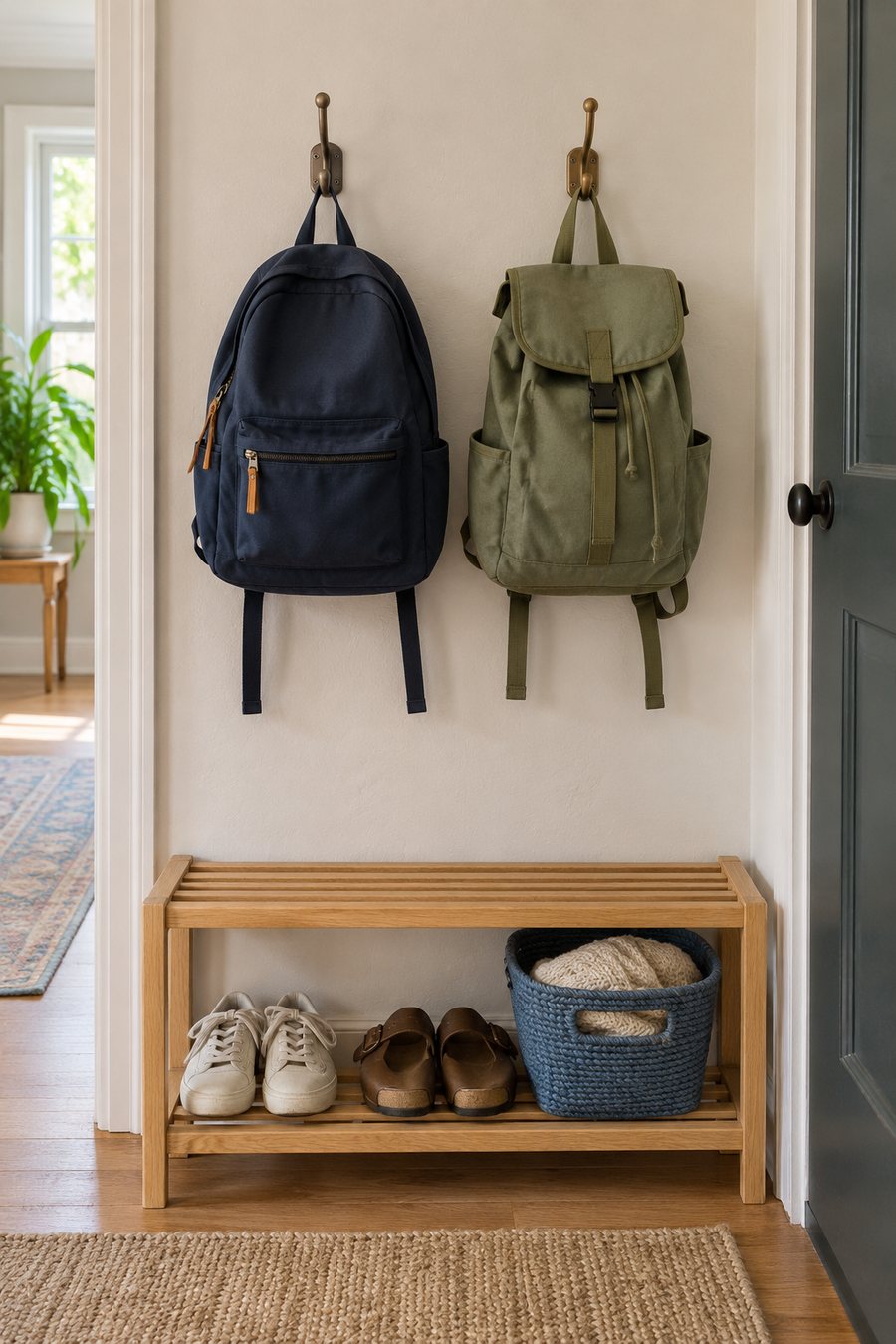
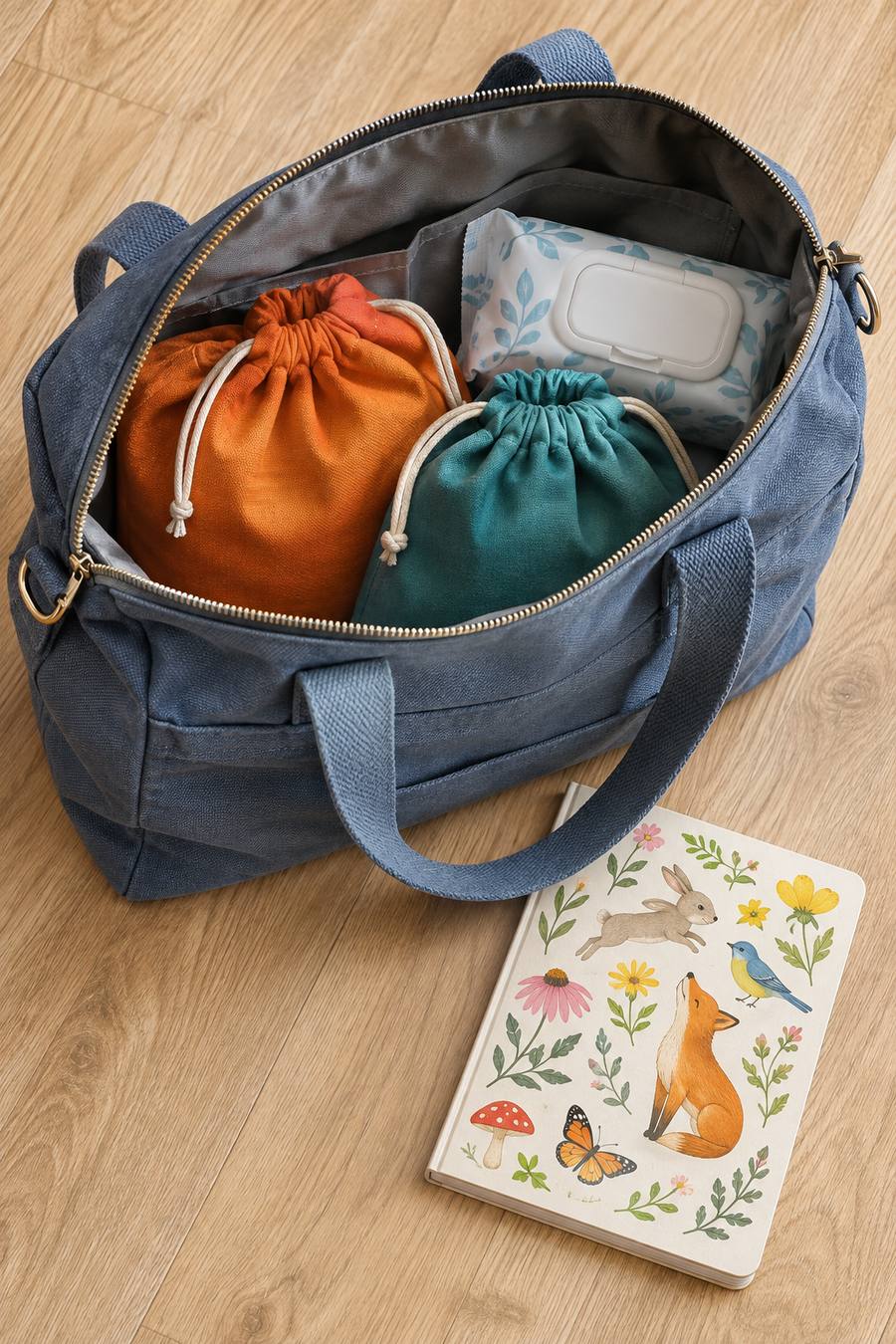
Open the zip and remove the boots in the place you’ll actually come home to. Give the wet pieces a tray or a hook away from dry bags. If the car ride is part of the outing, bring a separate wet bag instead of trying to fit muddy clothes into your small park crossbody. At home, check garment labels before washing or drying.

Fix what isn’t working
Knees are wet but the top is fine
Keep the jacket you have and add rain bottoms. Try them over the trousers your child already wears so you can check movement before buying.
Socks are wet even when the boots look fine
Check whether water came over the opening. Try the cuff and boot together at home, and bring dry socks if the outing is likely to get splashy.
Getting out of the suit is a whole production
Try separates for shorter trips, especially if you’re in and out of buildings. You may only need the one-piece suit on the messiest days.
Everything stays damp until tomorrow
Empty pockets, open zippers and follow the garment care label. Give each piece some air instead of leaving the suit stuffed inside the boots.
Three outfits for three kinds of rain
Quick school run
Use the jacket and boots you already have. If there’s no puddle play on the schedule, leave the extra rain bottoms at home.
Wet playground
Try jacket plus rain pants so you can keep the dry layers underneath. If the whole playground is too wet to use, have one of these rainy-day indoor activities as your backup plan.
Muddy backyard
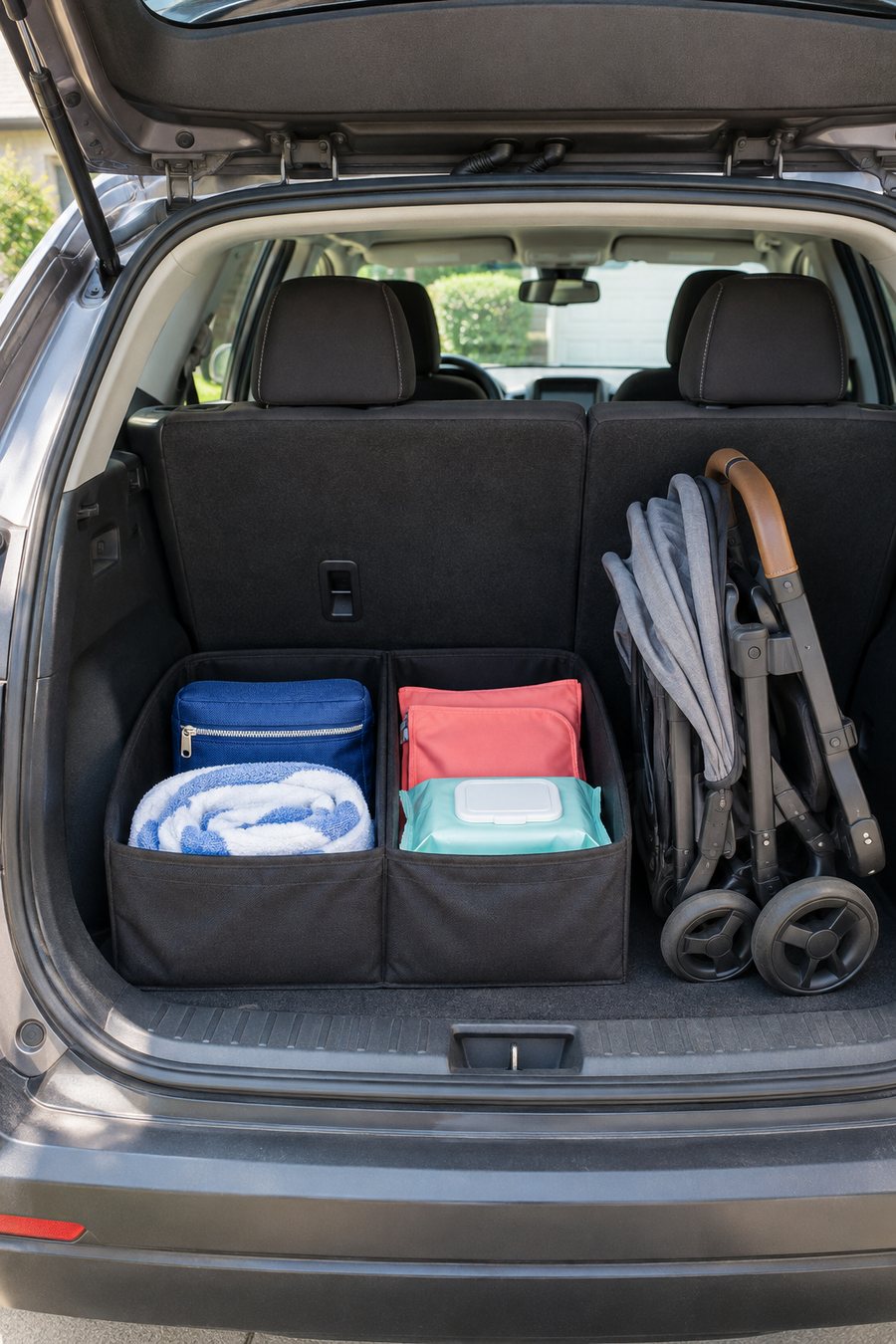
Put the suit or separates on before you open the door. Set out a towel for cleanup and a bag for wet items; the same wet-versus-dry packing trick for pool trips works here. Leave enough time to get everybody back out of the suit afterward.

Once you’ve decided what to wear, you can get on with the part your child actually cares about. If you end up back inside, the wax-resist rain picture is an easy way to keep the puddle theme without putting the boots back on.
FAQs
Is a one-piece rain suit better than a jacket and pants?
A one-piece is useful for wet play with lots of bending or sitting. Separates are easier to change in and out of when you only need one layer.
Do toddlers need rain pants for puddles?
Rain pants are worth considering if the knees or seat get wet even with a good jacket. For a short walk without much splashing, you may not need them.
Should I size up toddler rain gear?
Use the maker’s size chart and try the layers you expect to wear underneath. Extra room is only useful if the hems and sleeves still let your child move comfortably.
How do I keep water from getting into rain boots?
Check the overlap between the trouser hem and boot opening while your child bends. Bring spare socks if the puddles are likely to splash above the boot tops.
What do I do with muddy rain gear after we come inside?
Set boots on a tray and hang up the outer layers where they can dry according to their labels. Empty the wet bag instead of leaving damp gear zipped inside.
Leave a Reply