

Key Highlights
- A toddler lining up toys can be part of typical development in the early years.
- Many young children use repetitive behaviors to explore order, patterns, and different shapes.
- Lining up toys may give your child a sense of control in their play space.
- On its own, this habit is not always a sign of autism.
- Developmental differences matter more when lining up is rigid, frequent, and paired with social or communication concerns.
- A closer look at context helps you decide whether next steps are needed.
Introduction
Seeing your child carefully arrange cars, blocks, or animals can make you pause. Why does my toddler line up their toys so often? In many cases, a toddler lining up toys is simply one of the repetitive behaviors that shows up during the early years as part of a child’s development. Children often learn through order, repetition, and patterns as they build an understanding of the world. Still, it helps to know what is common, what deserves a closer look, and what your next steps might be.
Common Reasons Why Toddlers Line Up or Arrange Toys
For many children, lining up toys is tied to developmental stages. It can be a type of play that helps them sort, compare, and repeat actions while they learn. This often fits within typical development rather than signaling a problem.
At times, arranging objects also gives a child a sense of control. A simple behavioral analysis looks at how often it happens, how flexible the play is, and whether your child also enjoys other activities. These details help explain what the behavior may mean developmentally.
Developmental stages and the urge to organize
In the early years, many children begin showing an urge to organize objects. There is no single age when this starts, but it often appears during toddler developmental stages as children become more aware of space, order, and categories.
One reason this happens is practice. Picking up cars, blocks, or animals and placing them in a row builds fine motor skills. At the same time, it supports cognitive development because your child is noticing sameness, difference, and position.
Just as important, this can be a normal part of development rather than something alarming. When your child lines things up, they may be testing how objects relate to one another. If they also shift into other kinds of play, laugh, and stay flexible, that pattern usually points to a healthy part of development.
Exploring curiosity and patterns through arranging toys toddler
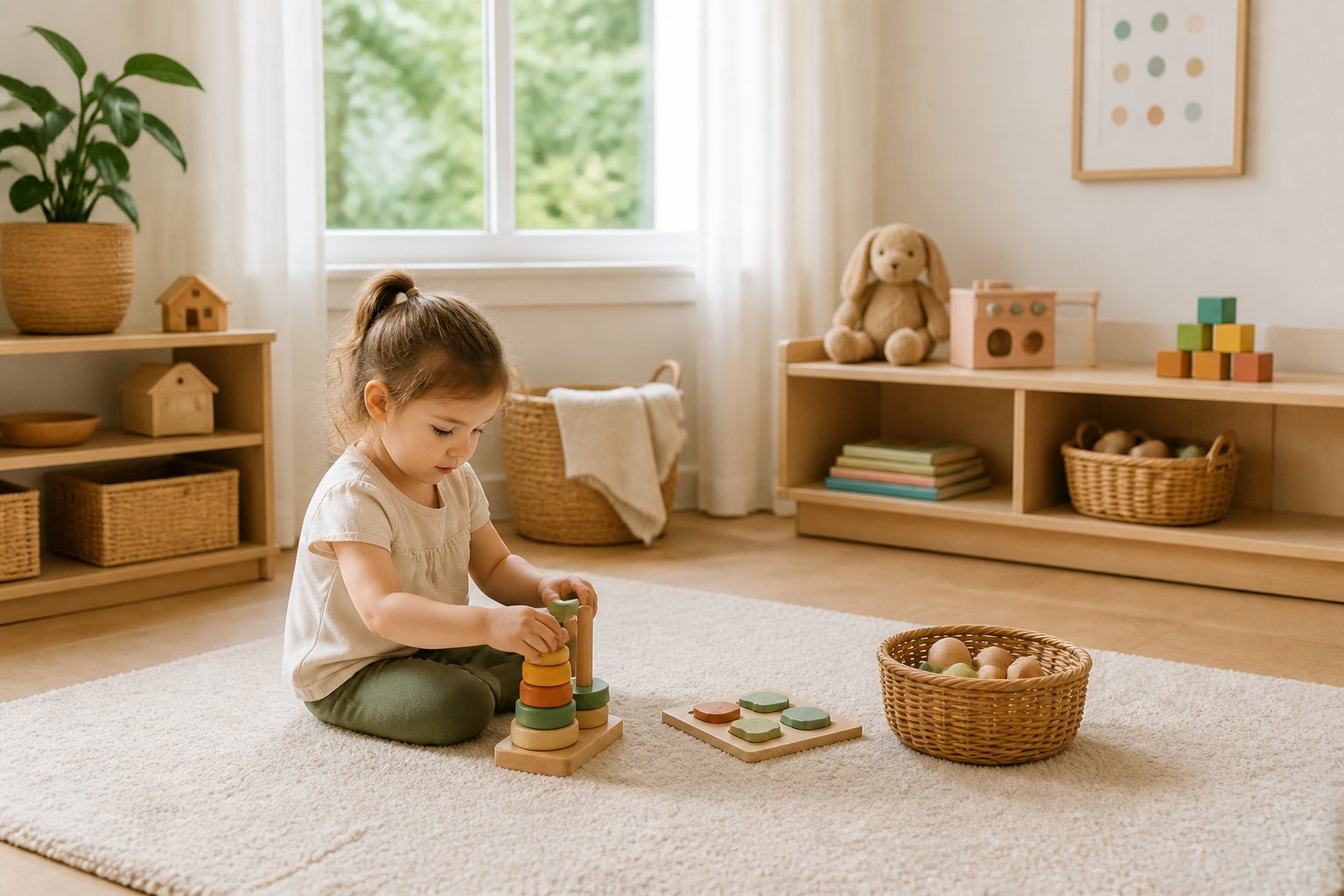
Young children are natural pattern seekers. When you see arranging toys toddler behavior, your child may be exploring how objects look, feel, and fit together. A straight line can simply be one way they test order and build confidence.
This kind of play often reflects curiosity rather than concern. Many children enjoy:
- Grouping toys with similar colors or different shapes
- Placing items in a straight line, then changing the order
- Repeating the same setup to see what stays the same
Seen this way, patterns of behavior can be part of learning. Your child is not just moving toys around. They are experimenting with visual order, comparison, and predictability. If the play remains flexible and enjoyable, arranging toys is often a normal way of exploring the world.
Comfort and routine in toddler repetitive play
Sometimes the answer is simple: repetition feels good. A repetitive play toddler habit can bring comfort because the activity is familiar, easy to repeat, and predictable. For some children, that makes play feel calm and manageable.
In a busy day full of noise, change, and new demands, lining up toys may create a small routine. That routine can give a child a sense of control over their play space. It is one area where they know what comes next.
This does not automatically point to autism or another issue. Many children use repetition for comfort during normal growth. The key question is whether your child can move on, accept small changes, and enjoy other play experiences too. Those signs help show whether the behavior stays within a healthy range.
Is It Normal for a Child Lining Up Toys Frequently?
Yes, a child lining up toys can be part of normal development. Many children show repetitive actions as they learn about patterns, position, and order. On its own, this behavior often fits within typical development.
What makes a meaningful difference is the bigger picture. Can your child use toys in other ways? Do they engage with people too? Can they handle small changes without major distress? Those details help separate common play habits from behaviors that may need a closer look.
What typical repetitive play toddler behavior looks like
Typical repetitive play toddler behavior usually comes and goes. A child may line up blocks today, stack cups tomorrow, and spend the next day pushing cars across the room. That variety matters.
In typical development, this type of play is only one part of a larger play pattern. Young children often organize toys, then knock them down, laugh, pretend, or invite you in. A basic behavior analysis looks for that flexibility and range.
Another helpful sign is interruption. If you move one toy, most children may notice, but they can usually keep playing. They do not rely on the lineup as their only activity. When repetition sits inside broader, playful exploration, it often means your child is learning rather than showing a serious concern.
How often children line up toys at different ages
There is no exact rule for how often children line up toys. In the early years, it may appear during several developmental stages as children become interested in order, space, and repetition. The pattern matters more than the exact age.
Here is a simple text table that shows how a behavior analysis may look across different ages:
| Age range | What lining up may look like |
|---|---|
| Early toddler years | Brief interest in placing toys in a straight line or grouping objects |
| Later toddler years | Repetition mixed with pretend play, movement, and social moments |
| Preschool period | Usually less central as language and imaginative play grow |
A concern may be more likely when the behavior stays highly rigid across different ages, dominates play, and is hard to interrupt. If your child also shows limited variety in play or reduced engagement with others, it is reasonable to look more closely.
When Repetitive Play Toddler Habits May Signal a Concern
A repetitive play toddler habit may deserve attention when it becomes very rigid, happens constantly, or replaces other forms of play. That is where behavior analysis becomes useful. You are not judging one moment. You are looking at patterns over time.
Lining up toys becomes more meaningful when it is only one part of a larger pattern. On its own, it may be harmless. Combined with other concerns, it can point to a need for a closer look.
Watch for signs such as:
- Limited response to name or reduced eye contact
- Delayed speech, fewer gestures, or low shared attention
- Strong rigidity when a toy is moved or a routine changes
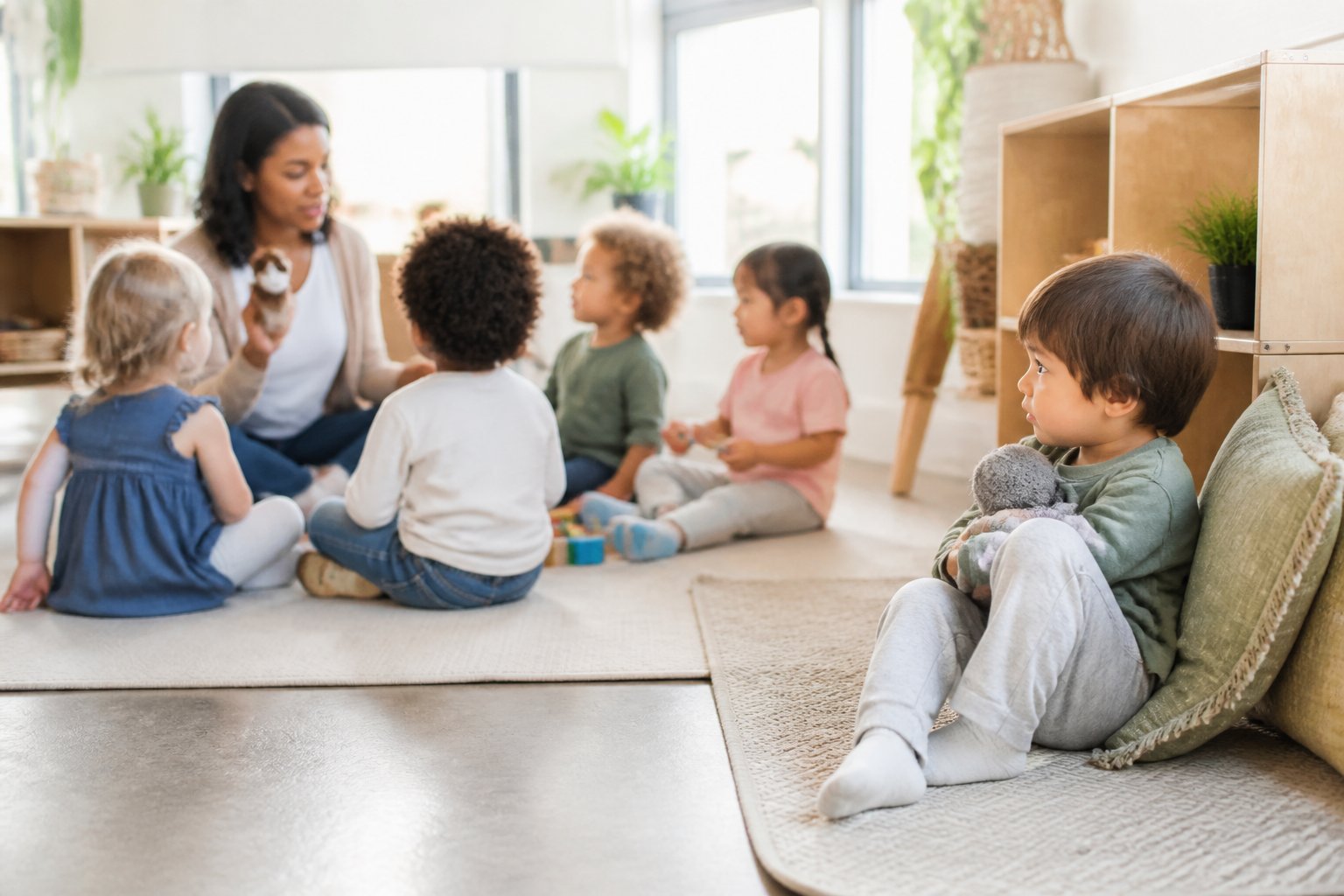
Social engagement is especially important. If your child prefers objects almost all the time and rarely includes people in play, that creates a meaningful difference. It does not confirm a diagnosis, but it suggests that lining up may be part of a broader developmental picture worth discussing with a professional.
Other repetitive behaviors to watch for in a toddler
Many toddlers show repetitive actions for different purposes, including learning, calming down, or exploring. That is why one behavior alone does not tell the full story. Looking across the whole play space gives you better information.
Along with lining up, some children may also:
- Stack and restack objects again and again
- Open and close items repeatedly
- Repeat the same movement or sound many times
What matters is how these behaviors function. If they are brief, playful, and easy to interrupt, they may fit typical learning. If they show strong rigidity, happen across most of the day, or crowd out social and imaginative activities, they may point to a need for more support and observation.
When to seek advice from a pediatrician or specialist
If you keep wondering whether something feels off, it is reasonable to speak with your pediatrician. Caregivers often notice subtle changes early, and those observations matter. You do not need to wait for certainty before asking questions.
A helpful behavior analysis starts with patterns. Notice how your child communicates, responds to others, and plays across the day. If lining up toys happens every day but your child is social, flexible, and varied in play, the concern may be lower.
Still, if the behavior is rigid or comes with speech, social, or developmental concerns, seek early support. A developmental screening can offer clarity and outline next steps. Getting advice does not label your child. It simply helps you understand whether support would be useful.
Supporting Healthy Play and Development
Lining up toys can still be part of learning while you encourage broader skills. The goal is not to stop a child from organizing objects. It is to widen the ways they play, connect, and explore.
When you support social interaction and imaginative play, you also support cognitive development. Small changes in how you join play can show whether your child stays flexible or becomes upset. That gives useful information while also building healthy habits.
Encouraging flexibility beyond arranging toys
One practical step is to join your child where they already are. If they are lining up cars, sit nearby and follow their lead first. Then add one small idea instead of changing everything at once.
You can gently build flexibility by:
- Turning the line of cars into a train or road
- Adding turn-taking with one extra toy
- Narrating the play to invite social engagement
These small shifts encourage imaginative play without taking away what feels comfortable. A child who can accept tiny changes, share attention, and expand the game is showing useful flexibility. If those steps feel impossible or cause major distress every time, that may be a sign that early support would help.
Balancing routine with social and imaginative activities
Children often benefit from both routine and variety. A familiar activity can feel safe, but too much sameness can limit learning. The goal is balance, not removal of preferred play.
You can create that balance in the play space by offering:
- Time for favorite organizing routines
- Simple pretend games with cars, animals, or blocks
- Shared activities that build social interaction
This approach respects what your child enjoys while opening room for growth. If your child can move between routine play and new activities with some support, that usually points to healthy development. When they cannot shift at all, or social play remains very limited, it may be time to talk with a professional.
Conclusion
For many toddlers, lining up toys is simply another way of exploring the world. Children learn through repetition, patterns, and organization long before they can explain what they’re doing. Looking at the bigger picture matters most. A child who lines up toys, engages with people, explores different kinds of play, and continues learning new skills is often showing a normal part of development. When concerns do exist, they usually involve much more than toy lineups alone.
Frequently Asked Questions
Can a neurotypical toddler line up toys?
Yes. A neurotypical child may show toddler lining as part of typical development. Many repetitive behaviors appear in early childhood because children enjoy order, repetition, and patterns. It becomes more concerning only when the behavior is highly rigid, constant, and paired with other developmental differences.
Should I be concerned if my toddler lines up toys every day?
Not always. Daily repetitive actions can still be part of learning, especially if your child also talks, interacts, and plays in different ways. A simple behavior analysis should look at flexibility, distress, and variety in play. If those areas seem limited, it is worth discussing your concern with a pediatrician.
At what age should repetitive lining up start or stop?
There is no exact start or stop age. During the early years, children may line up toys at different developmental stages as parts of development tied to cognitive development, order, and repetition. It usually matters less when it starts and more whether the behavior stays flexible and changes as play skills grow.




Leave a Reply