
Affiliate Disclosure: This post may contain affiliate links. If you purchase through these links, I may earn a small commission at no extra cost to you. I only recommend products I genuinely find helpful for families.
If you’re looking for preschool workbooks, these options are actually useful without being overwhelming.
In this post:
- the best workbooks for early learners
- what to look for by age
- options that kids will actually use
Finding the right pre k workbooks for your little one can feel overwhelming. Walk into any bookstore or scroll through online listings, and you’ll see hundreds of options promising everything from “kindergarten readiness” to “genius-level learning.” But here’s the truth: not every workbook fits every child, and knowing what to look for makes all the difference.
This guide cuts through the noise and gives you practical, actionable advice for choosing and using preschool workbooks with children ages 3 to 5. Whether you’re a parent, grandparent, or preschool teacher, you’ll walk away with clear recommendations you can use today.
There’s a ton to explore on Feral Toddler
Click below to find the hub you need, whether you’re dealing with toddler play, sleep, meals, or tantrums.
Quick Guide: What Are Pre K Workbooks and Who Are They For?
Pre K workbooks are structured activity books designed for children before they enter kindergarten, typically between ages 3 5. These books introduce foundational skills through simple, engaging activities that kids can complete with adult guidance. Think of them as a bridge between free play and formal schooling.
Unlike full kindergarten curricula, preschool workbooks focus on basics: pre-reading activities like letter recognition, early math concepts like counting to 10 or 20, and fine motor development through tracing and coloring. They’re not meant to turn your three-year-old into a reader overnight. Instead, they build the skills that make learning to read and write feel natural when the time comes.
This article is written for adults who want concrete workbook recommendations and practical tips, not educational theory. We’ll cover when to start, how to build pen control first, which subjects matter most (alphabet, numbers, sight words), and how to match a workbook to your child’s current level.

Main benefits of using Pre K workbooks:
- Build fine motor skills and pen control needed for writing
- Introduce letters, numbers, and shapes in a structured way
- Create predictable learning routines that ease the transition to kindergarten
- Provide quality bonding time between adults and preschoolers through hands-on activities
- Boost confidence through achievable, age-appropriate tasks
- Offer low-cost, accessible early learning at home or in the classroom
What Pre K Workbooks Are For (and What They Are Not)
Let’s get one thing straight: pre k workbooks support learning, but they don’t replace it. The best education for young children still involves read-alouds, conversation, imaginative play, and exploring new things in the real world. Workbooks are one tool in your toolkit, not the whole toolbox.
Here’s what workbooks actually do well. They help children practice pen control and develop the pencil grip they’ll need for writing. They introduce pre-writing strokes, shapes, letters, and numbers through repetition. They build early literacy skills like alphabet recognition and phonics awareness. And they lay groundwork for math concepts like counting, patterns, and simple addition.
What workbooks are not designed to do is equally important. They won’t teach reading overnight. They’re not meant to be drill-heavy test prep for preschoolers. And they absolutely cannot substitute for the rich language exposure children get from books, stories, and everyday conversation. A three-year-old tracing the letter “A” is not the same as a three-year-old understanding that letters make sounds and sounds make words.
Consider how an alphabet workbook actually works at this level. A page might show a big uppercase “A” with dotted lines for tracing, alongside a picture of an apple. The child traces, colors the apple, and maybe says “A is for apple” with you. That’s appropriate for ages 3 to 5. It’s not formal phonics instruction with rules about short and long vowels.
Realistic outcomes by the end of Pre K:
- Child can trace most uppercase letters with some accuracy
- Child recognizes their own name in print
- Child counts small sets of objects (up to 10 or 20)
- Child follows simple one-step directions on a page
- Child holds a pencil or crayon with a functional grip
Do use workbooks for:
- Building routine and focus
- Practicing specific skills through repetition
- Giving children a sense of accomplishment
Don’t expect workbooks to:
- Replace reading aloud together
- Teach complex concepts without adult support
- Work magic without consistent, gentle practice
When to Start Pre K Workbooks: Ages and Readiness Signs
Age ranges on workbook covers are guidelines, not rules. A “ready” four-year-old and a “not quite ready” four-year-old are very different children. Pay attention to your child’s behavior and interest level, not just the number printed on the book.
Around age 2, most children aren’t ready for formal workbooks at all. At this stage, chunky crayons, scribbling on large paper, and simple coloring pages are perfect. You’re building the foundation without any structure.
Between ages 3 and 4, many kids can start with simple pre k workbooks that focus on tracing lines, using stickers, and coloring within large shapes. Pages should have one or two activities at most. The goal is making learning fun, not completing worksheets.
By ages 4 to 5, children are often ready for more structured books with letter and number formation, early sight words, and basic math activities. This is the sweet spot for pre-K to kindergarten transition workbooks.
Readiness signs that your child is ready:
- Can hold a crayon or marker without fisting it tightly
- Shows interest in “doing homework” like older siblings or kids in books
- Can focus on a seated task for 5 to 10 minutes
- Enjoys being read to and points at pictures or letters
- Asks about letters on signs or in books
How to introduce workbooks gradually:
Start with just 5 to 10 minutes per day, at a consistent time like after breakfast or before nap. Let your child choose from two or three pages. Offer lots of praise for effort, not just results. If they lose interest, stop. Tomorrow is another day.
Check these before you buy a Pre K workbook:
- Can your child hold a writing tool with a semi-correct grip?
- Will they sit with you for at least five minutes on an activity?
- Do they show any curiosity about letters or numbers?
- Are you prepared to guide them through pages rather than hand over the book?
Before Pre K Workbooks: Building Pen Control and Fine Motor Skills
Here’s something many parents discover the hard way: jumping into letter-tracing workbooks before a child has basic pen control leads to frustration for everyone. Strong fine motor skills make workbooks enjoyable rather than a struggle.
What does “pen control” actually mean for a preschooler? It means tracing straight lines without veering wildly off course. It means drawing curves and zig-zags within wide paths. It means making simple shapes like circles, crosses, and squares with some intentionality. This isn’t about perfection. It’s about the child being able to control where their marker goes.

Pre-workbook activities that build pen control:
Start with thick crayons and markers on large paper taped to the floor or an easel. Let children scribble freely before asking them to trace anything. Playdough is excellent for strengthening the small muscles in fingers, so let them roll, pinch, and squish. Sticker activities target the pincer grip kids need for holding pencils properly.
Wipe-clean pen control books are fantastic stepping stones. These spiral-bound books let children practice tracing paths, shapes, and simple patterns over and over without using up pages. Look for books focused purely on lines and shapes before moving to letters and numbers.
Concrete practice ideas before formal workbooks:
- Draw “roads” on paper and have toy cars drive along them
- Use finger paint to make lines, circles, and zig-zags
- Practice with stickers by placing them inside circles or along a line
- Let children trace shapes in sand, salt, or shaving cream
- Play with lacing cards or large beads to build finger strength
Core Types of Pre K Workbooks and What Each Teaches
Most families end up with several different pre k workbooks covering different skills. That’s completely normal. Understanding what each type teaches helps you build a balanced collection.
Alphabet workbooks focus on letter recognition and simple letter tracing. Quality alphabet books for ages 3 to 5 start with uppercase letters, which are easier to form, before introducing lowercase. Each page typically features one letter with dotted lines for tracing and a picture showing that letter’s sound (A for apple, B for ball). Look for books with 80 to 120 pages that move through the alphabet multiple times with increasing difficulty.
Pen control and tracing workbooks build the foundation for writing without jumping straight to letters. These books feature paths, mazes, dot-to-dots, and shape tracing. A good pen control book might have 32 to 64 pages of lines, curves, and puzzles that children find genuinely fun to complete.
Early math and counting workbooks introduce numbers through counting objects, matching quantities, identifying shapes, and recognizing patterns. At the pre-K level, expect counting to 10 or 20, not complex addition. Activities might include counting cars, circling groups of five items, or drawing lines to match numbers with pictures.
Sight word and early reading workbooks introduce a small set of high-frequency words that children will encounter constantly once they start reading (words like “the,” “and,” “is,” “see”). These books use matching, tracing, and simple fill-in-the-blank sentences. For preschoolers, 20 to 50 words is plenty.

Reusable vs. consumable formats:
| Format | Best For | Considerations |
|---|---|---|
| Wipe-clean spiral-bound | Repeated practice, multiple children | Requires special markers, less tactile |
| Standard paperback | One-time use, keeping as keepsake | Can’t repeat activities, but kids love “finishing” books |
Look for these features in any Pre K workbook:
- Large fonts and images appropriate for ages 3 to 5
- Clear page layouts with only one or two tasks per page
- Short directions adults can read aloud easily
- High-contrast lines for tracing
- Occasional reward elements like stickers or small games
- Thick paper that won’t bleed through with markers
How to Choose the Right Pre K Workbook for Your Child
The “Pre K” label covers a huge range of difficulty. A workbook labeled for ages 3 to 5 might be perfect for one child and way too hard for another. Matching your child’s current ability matters more than whatever age range is printed on the cover.
How to assess your child’s level:
If your child cannot yet follow lines or hold a pencil correctly, start with pure pen control or “tracing only” books. Don’t buy alphabet workbooks yet.
If your child recognizes many letters but cannot write them, choose an alphabet tracing workbook with big letters and plenty of dotted examples. Skip the books that assume letter knowledge.
If your child already writes some letters independently, move to mixed-skill Pre K workbooks that include early math, beginning phonics, and short word games alongside letter practice.
Selection criteria to check on product pages:
Page count matters. An 80 to 120 page book provides enough activities for consistent daily practice over several months. A 32-page themed activity book works for travel or variety but won’t sustain a routine.
Visual style varies wildly. Some books have busy, colorful pages packed with characters and images. Others are clean and uncluttered. Choose based on your child’s attention span. Easily distracted children often do better with simpler layouts.
Theme and characters can make or break engagement. If your child loves animals, a farm-themed counting book will hold their attention longer than a generic one. Let your child’s interests guide you.
Questions to ask before buying:
- Can my child complete at least half of a sample page with help?
- Does the workbook match what we’re working on now (pen control, letters, numbers)?
- Is the page layout calm enough for my child’s attention span?
- Will the theme or characters actually interest my child?
- Am I ready to sit with my child for these activities?
Using Pre K Workbooks at Home: Routines, Tips, and Common Mistakes
Creating a simple, predictable routine turns workbook time into something children look forward to rather than resist. Pick the same spot at the table, the same time each day, and keep sessions short. For most preschoolers, 10 to 15 minutes is plenty. More than that, and you’re pushing against natural attention limits.
Tips for keeping sessions positive:
Let your child choose the page from two or three options. This small bit of control increases buy-in dramatically. Use washable markers or fun gel pens to keep things novel. Read instructions aloud and model the first question or tracing line yourself. Use small rewards strategically, whether that’s stickers, choosing the next storybook, or simply enthusiastic praise.
Common mistakes to avoid:
The biggest mistake is pushing workbooks before fine motor skills are ready. If your child is struggling to control a crayon, they’re not ready to trace letters. Back up and work on pen control first.
Another common mistake is expecting a three-year-old to finish multiple pages in one sitting. One page completed happily beats three pages completed in tears.
Finally, don’t turn workbook time into a high-pressure test. The moment it feels like work, you’ve lost. Keep it light, keep it short, and save your corrections for another day.

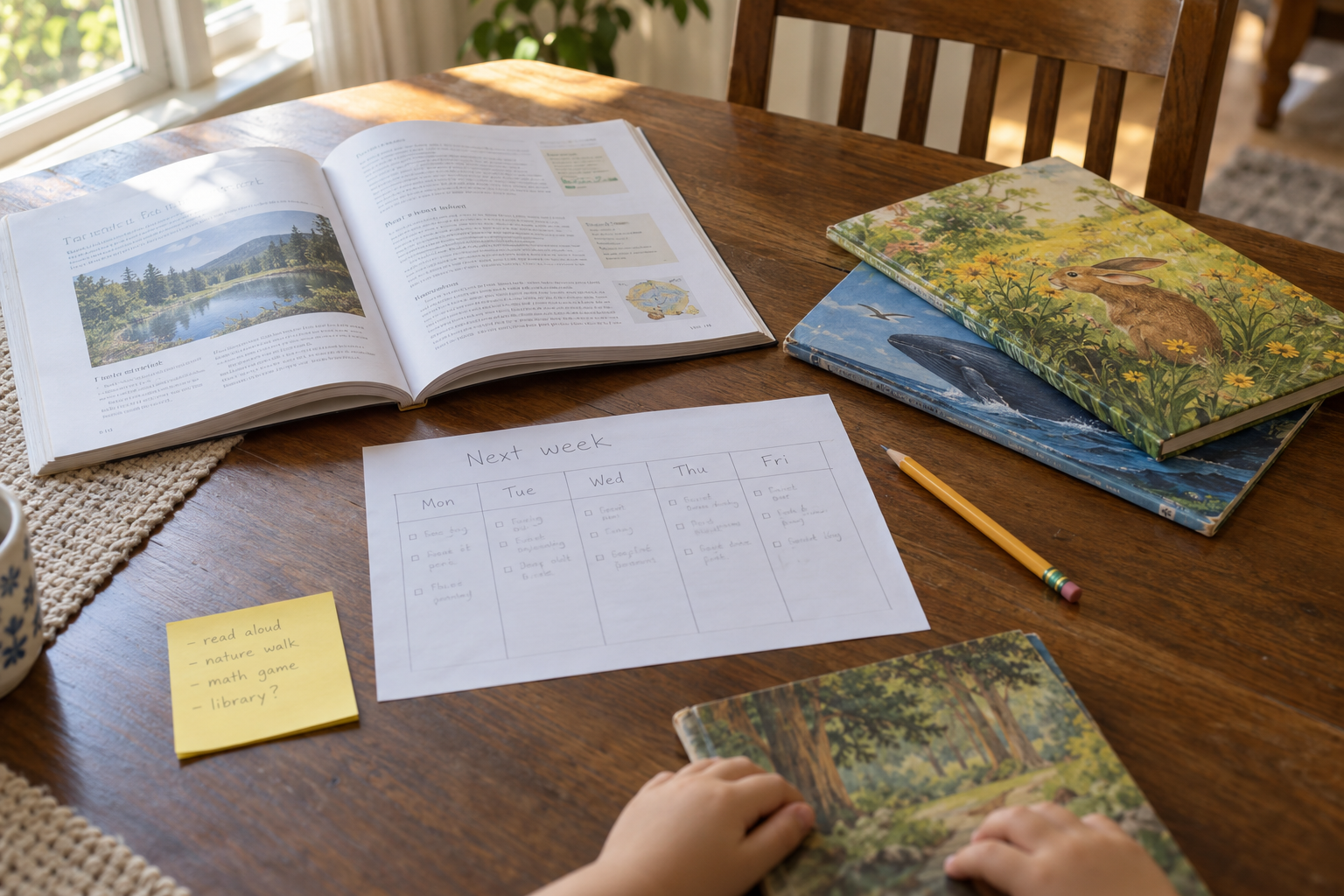
Sample weekly Pre K workbook plan:
| Day | Focus | Example Activity |
|---|---|---|
| Monday | Pen control/tracing | Tracing lines and paths |
| Tuesday | Alphabet or name writing | Tracing letters in child’s name |
| Wednesday | Counting and shapes | Counting objects, identifying shapes |
| Thursday | Fun activity page | Stickers, mazes, connect-the-dots |
| Friday | Review and choice | Child picks any page they want |
This rotation keeps things fresh while ensuring balanced skill development. Adjust based on what your child enjoys and where they need more practice.
Summary: Making Pre K Workbooks Work for Your 3–5 Year Old
Choosing and using pre k workbooks doesn’t have to be complicated. Start when your child shows readiness signs, not just when they hit a certain age. Prioritize pen control before jumping into letters and numbers. Choose focused workbooks that match your child’s current skills, whether that’s alphabet tracing, early math, sight words, or fine motor activities. And above all, keep sessions short, positive, and playful.
The best Pre K workbook isn’t the thickest book or the most advanced curriculum. It’s the one your child enjoys using and can complete successfully with your support. A child who feels confident tracing big letters will be far more ready for kindergarten than one who struggled through an overly difficult workbook.
Research from early education experts consistently shows that children engaged in structured activities during the preschool years are more likely to excel in future schooling. But the key word is “engaged.” Workbooks work when children feel successful, not frustrated.
Key takeaways:
- Follow your child’s interest and energy level
- Match workbook difficulty to current skills, not age on the box
- Focus on consistent, short practice rather than perfection
- Use workbooks alongside reading, play, and conversation
- Treat mistakes as part of learning, not failures to correct
Approach pre k workbooks as one more fun way to discover letters, numbers, and stories together. When your child is ready, when the workbook matches their level, and when you’re there to guide them through each page, these simple books become powerful tools for building the confidence and skills that carry them into kindergarten and beyond.
Helpful Learning Resources
If you want to dive deeper into early childhood development and preschool readiness, these evidence-based resources are worth bookmarking:
- Zero to Three early learning resources
- NAEYC guidance on developmentally appropriate practice
- PBS Parents activity ideas
- Reading Rockets early literacy resources
These resources can help you better understand how preschoolers learn and how to support their fine motor skills, math development, early literacy, and science exploration at home.


Leave a Reply