
Outdoor play
Sidewalk Chalk Roads for Toy Cars Outside
A road drawn on the driveway is extremely convincing to a toddler with a toy truck. Mine will ignore a complicated activity I spent an hour prepping, then spend the afternoon parking the same vehicle in three chalk rectangles. This one needs dry pavement, a chunky car, and a willingness to redraw the roundabout.

What you need
Use what you have; the quantities are for one small setup.
Supplies and quantities
- 1 chunky toy car or truck, large enough for your child to handle comfortably
- 3–5 thick sticks of sidewalk chalk
- 1 dry paved driveway or patio away from vehicle traffic
- 1 old towel for dusty hands
- 1 small water bottle for cleanup afterward, optional
- A second toy vehicle if two children are playing, optional

Before you begin
Pick a paved area that is completely separate from moving vehicles. A driveway is only suitable when cars will not enter or leave during play; a fenced patio or quiet paved yard space works nicely. Sweep away pebbles that would catch the toy wheels.
Test the toy car against the pavement before drawing anything. Place it down and make two parallel chalk marks about 8 to 12 inches apart, wider for a large truck. Your toddler should be able to push it between the marks without scraping a wheel against the edge.
Start small. A loop, one straight connection, and two parking bays give your child somewhere to drive immediately. You can add a house or bridge later if they actually want one. The temptation to design an entire city before the first car moves is very real.
How to make it
- Draw one wide road
Draw two parallel lines around a gentle loop. Keep bends broad enough for the car to turn. There is no need to fill the road with chalk: the pavement itself is the driving surface.
- Add a parking lot
At one edge, draw two or three U-shaped bays slightly wider than the toy. A giant truck needs a giant space; the chalk is cheap, and nobody is enforcing parking regulations here.
- Hand over the car
Let your toddler choose a starting point and follow the route. If they immediately leave the road, the road is not broken. Ask where the truck is going and draw a new connecting line where the play naturally heads.
- Build the town as you go
Add a simple square house, a circle pond, or a delivery stop outside the driving lane. Let your child decide which is which. Chalk drawings do not have to look like grown-up maps to give the truck a destination.
- Reset or wash away
When the road gets smudged, redraw the important lines. At the end, wipe hands with the towel and leave the chalk for the next rain or rinse a small section with water if your surface allows it. Let pavement dry before putting out stored toys.

I keep one piece of chalk in my pocket while we play because the route changes every few minutes. A tiny road that follows your toddler’s plans usually gets more use than an elaborate map. If they would rather paint outdoors, our sidewalk chalk paint recipe is a separate, wetter setup.
What to do next
The road can live outside until weather removes it. If you want the patio clear for guests, a small amount of water and a broom usually loosen ordinary sidewalk chalk; test an inconspicuous patch if the paving is porous. Bring the toy cars in so they do not get lost in the grass.
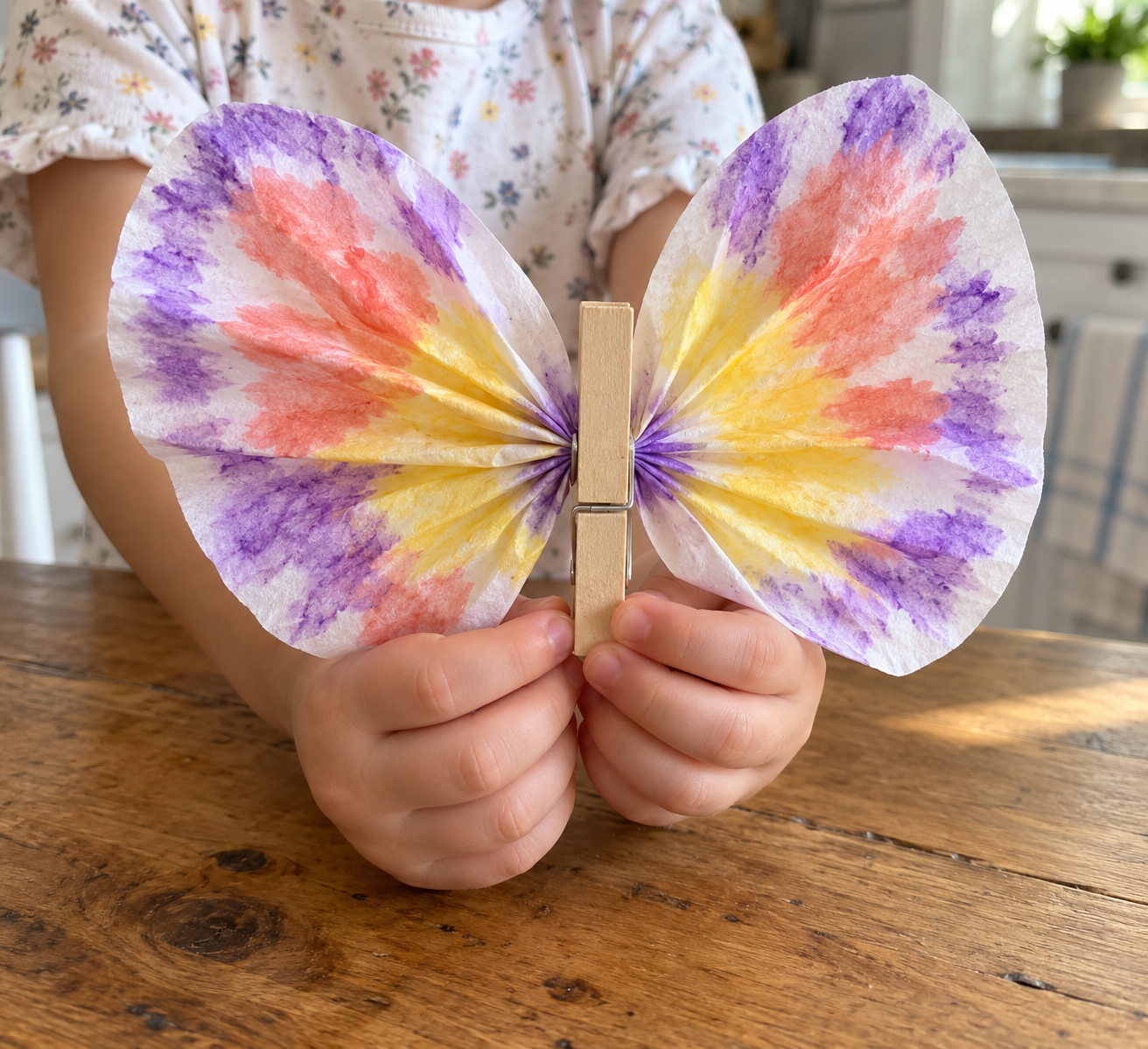
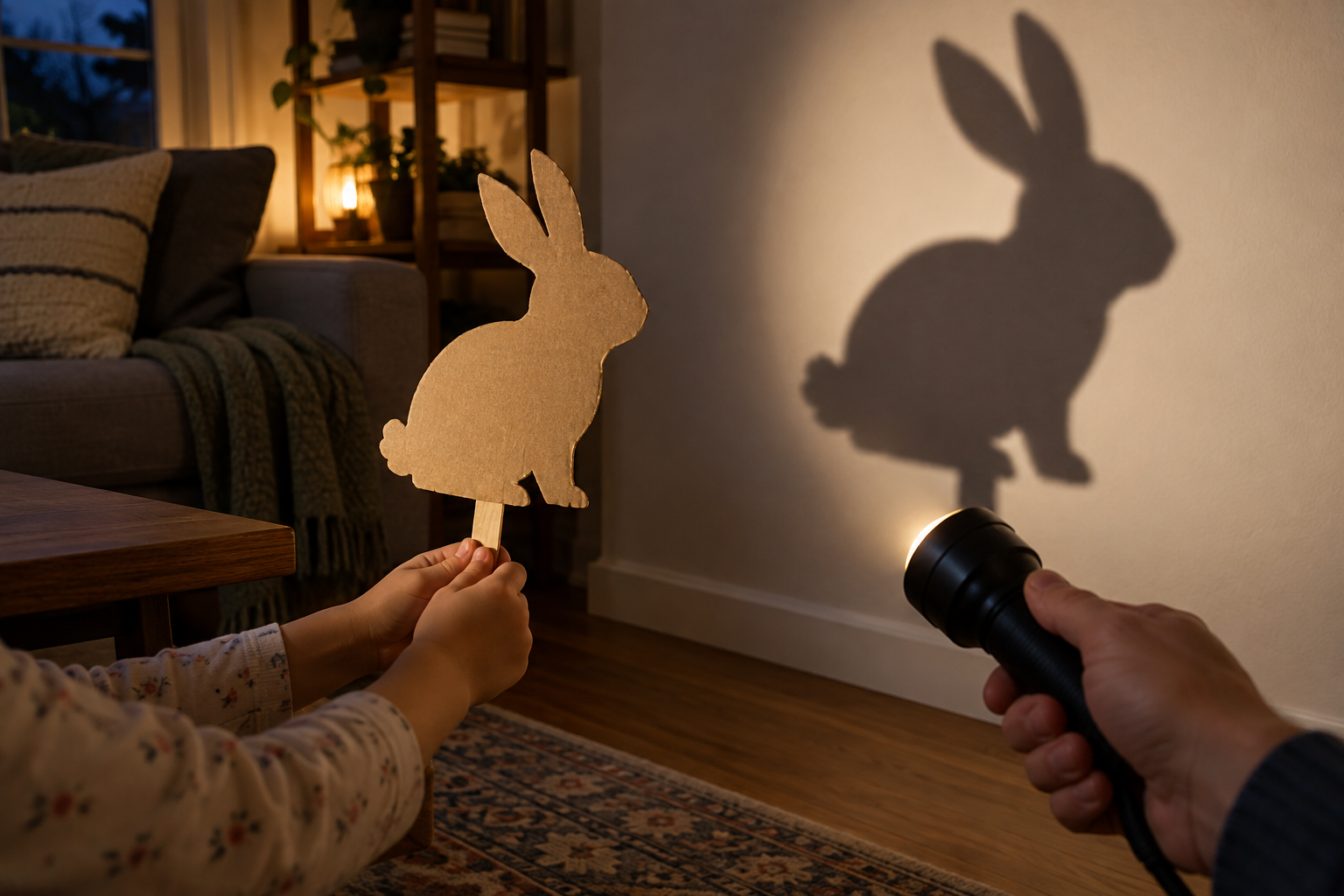
If you want to change the pace after this, try Coffee filter butterflies. For a completely different setup, save Flashlight paper shadow puppets for another day.
Small setup details that help
Keep the chalk and the car beside you rather than across the driveway. That way, when your toddler announces that the grocery store has moved, you can draw its new address without leaving the play area. If two kids want the same road, make a second loop that meets the first at a wide intersection instead of squeezing both cars through a narrow lane. A few chunky blocks can serve as pretend deliveries if they are suitable for your child and the pavement is clean. Skip the props entirely when pushing the car is already enough. The main thing is that you can make the map fit the toy and the space you actually have.
Troubleshooting: real fixes
The chalk is faint
Make sure the surface is dry and press the broad side of a thick stick against it. Very rough pavement can eat small chalk quickly; draw fewer, bolder lines.
The truck will not fit
Measure with the actual toy and widen the road or parking spaces. A route that works for a tiny car can be a traffic jam for a chunky toddler truck.
The car keeps leaving the route
Add a shortcut where the child actually drives or stop insisting on the lines. The road is an invitation, not a test.
The chalk turned muddy
Pause after rain or a rinse until the surface dries. Wet chalk becomes slippery paste and the drawing will not stay crisp.
Three ways to change it up
Delivery route
Draw two big squares as a house and a shop. The truck can deliver a pinecone or another large outdoor object back and forth; skip tiny loose pieces for younger children.
Parking garage
Make numbered or colored bays if your preschooler asks for them. There is no quiz: the main point is driving into a space and reversing out again.
Short patio road
Use one small loop and a parking bay on a paved patio instead of a full driveway. This keeps the whole activity in one safe, visible spot.

A quick safety note
Frequently asked questions
How wide should a sidewalk chalk road be for toy cars?
Start with two lines about 8 to 12 inches apart, then check your actual toy. A big truck needs more room, especially around curves. Draw wide turns so the wheels can stay inside the route.
Does sidewalk chalk wash off a driveway?
Ordinary sidewalk chalk generally fades with weather or rinsing, but porous surfaces can hold color longer. Test a discreet spot if staining worries you and follow the surface manufacturer’s cleaning guidance.
Can a two-year-old play with a chalk car road?
Yes, if the paved area is safely separated from traffic and the toy is appropriate for their age. Keep the route simple and supervise; they may enjoy pushing the car more than following the lines.
What if the pavement is wet?
Wait for a dry patch before drawing. Wet chalk gets mushy and the toy wheels drag color around. If the surface stays wet, save this for another day.
Do I need a whole set of toy vehicles?
No. One sturdy vehicle can drive, park, visit the drawn house, and repeat. A second car is useful when another child joins, not a requirement for the activity.

Leave a Reply