
Open for business, eventually
Cardboard Box Grocery Store for Toddler Pretend Play
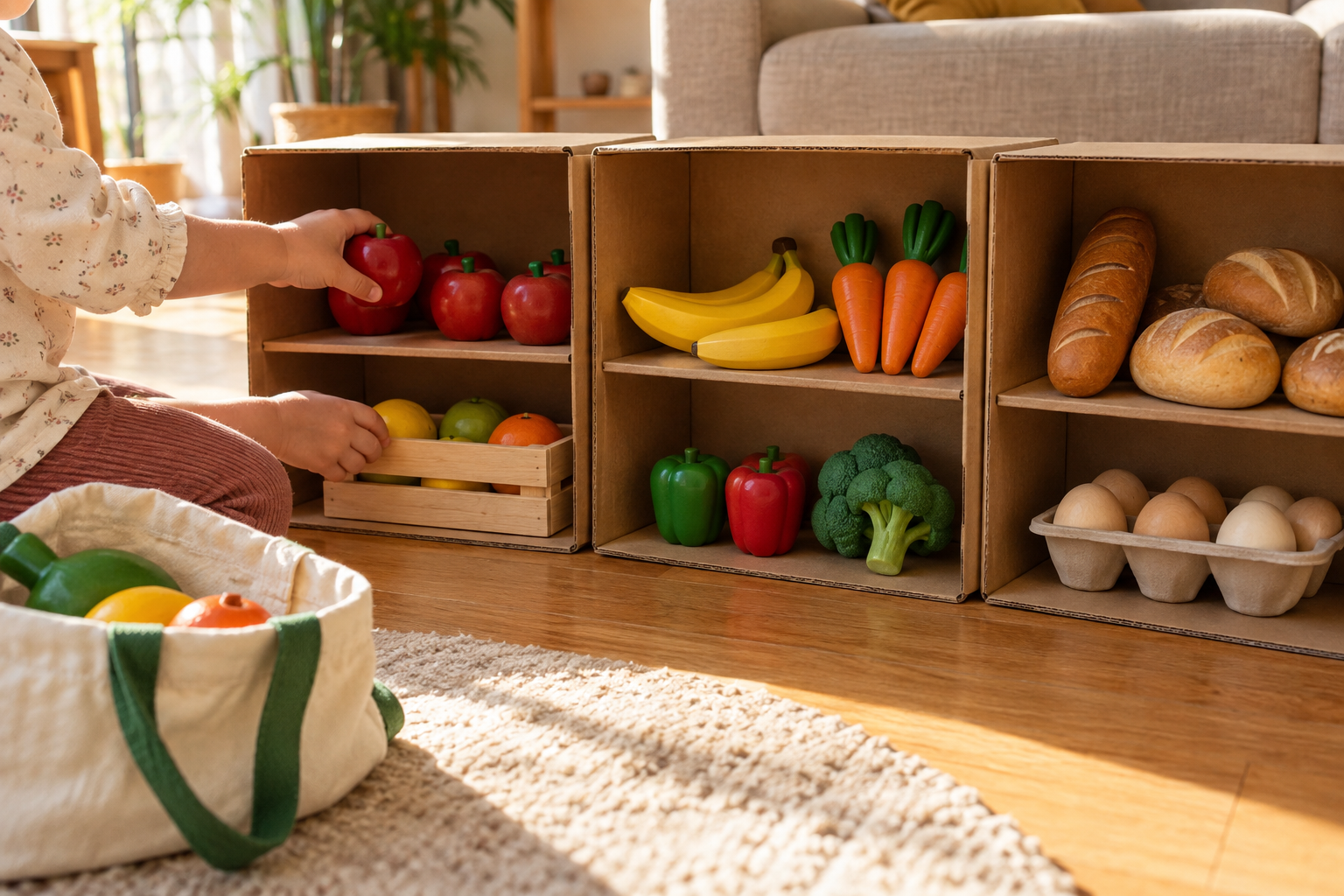
Three boxes, a tote and chunky pretend food can turn the living room floor into a tiny grocery store. The shelves do not need a sign, a checkout scanner or a price-tag system. Your toddler mostly wants to put an apple somewhere, take it out, and hand it to you with enormous seriousness.

A good activity does not need a huge supply list. This one uses ordinary things you can set out in a few minutes, with a clear place to stop when your child has had enough. The setup below gives you a starting point; your child will probably invent the next part.
Cardboard Box Grocery Store for Toddler Pretend Play
A practical, parent-tested setup with simple supplies.
Supplies and quantities
- Three clean sturdy cardboard boxes, about 12–18 inches wide
- About 2 yards of wide painter’s tape or packing tape for adult assembly
- One cloth shopping tote with short handles
- Six to ten large pieces of washable toy food or fabric food
- Two or three clean empty unbranded cartons, optional
- One small blanket or rug to mark the shop area

How to make it, step by step
- Choose the boxes. Pick clean, dry boxes that can sit on the floor without wobbling. Remove shipping labels, staples, plastic straps and packing material. A child should be able to reach every item without standing on a box.
- Make open-front shelves. Turn each box on its side with the opening facing your child. Fold loose flaps inward or remove them with scissors when your child is elsewhere. Do not make an elevated stack; three boxes side by side are enough.
- Secure the row. Put the boxes on a flat floor beside a wall and tape their outer seams together. Add a strip across each box’s top flap if it tends to spring open. The tape stays outside the play openings so it does not grab sleeves or toys.
- Stock a tiny selection. Start with six to ten large toy items, such as a wooden apple, fabric loaf and chunky carrot. Place a few in each box. More products can wait; a huge pile is a fast route to your entire playroom becoming the produce aisle.
- Add a shopping bag. Put the short-handled cloth tote beside the shelves. Show your toddler how to choose one item, place it in the bag and bring it to you. Then let the plot change. You may be asked to buy the same banana seven times.
- Close the store. When play winds down, put the toys back in the boxes and the tote on top. If the cardboard gets soft or damaged, recycle it and save the food toys for another day.

Making it work at home
Keep the first store simple
You do not need to build a miniature supermarket. Three low boxes create enough places to sort, carry and restock. You can use your usual toy food, clean fabric play pieces or large empty cartons. Avoid tiny lids, coins, loose beans and anything your child could mouth.
If a box already has a divider, that is a bonus, but you can skip it. The child will rearrange the shop anyway. For another cardboard activity with a completely different goal, our cardboard tube ball drop is all about rolling and catching rather than pretend shopping.
Play the customer without running the game
Ask for a loaf of bread, then accept what your toddler offers. The apple might be bread today. If they decide the store is a delivery service, take the tote to the sofa and receive a shipment. Pretend play works better here when you follow their assignments rather than invent a complicated script.
A simple exchange is enough: “Do you have a carrot?” “Yes, here.” “Thank you.” Then switch roles if your child wants to shop. There is no need for pretend money or a register, and omitting small coins makes the setup easier for younger siblings.
Where to put it in a small room
Set the boxes against a wall where nobody needs to walk through the checkout line to reach the bathroom. A small rug or blanket marks the play zone and catches stray groceries. On carpet, place the boxes directly on the floor and check that they do not tip forward when a child reaches inside.
If your room is tight, use just two boxes and rotate the food halfway through. Store flattened boxes behind furniture when you are finished, but discard any that have torn edges. The toy rotation guide has more ideas for keeping a small set of toys inviting without putting everything out at once.
Make cleanup part of the game
Tell your toddler the shop is closing and invite them to return one item to each shelf. Some children love closing time; others walk away as soon as they hear the word cleanup. Put the rest away yourself without turning a pleasant game into negotiations over broccoli.
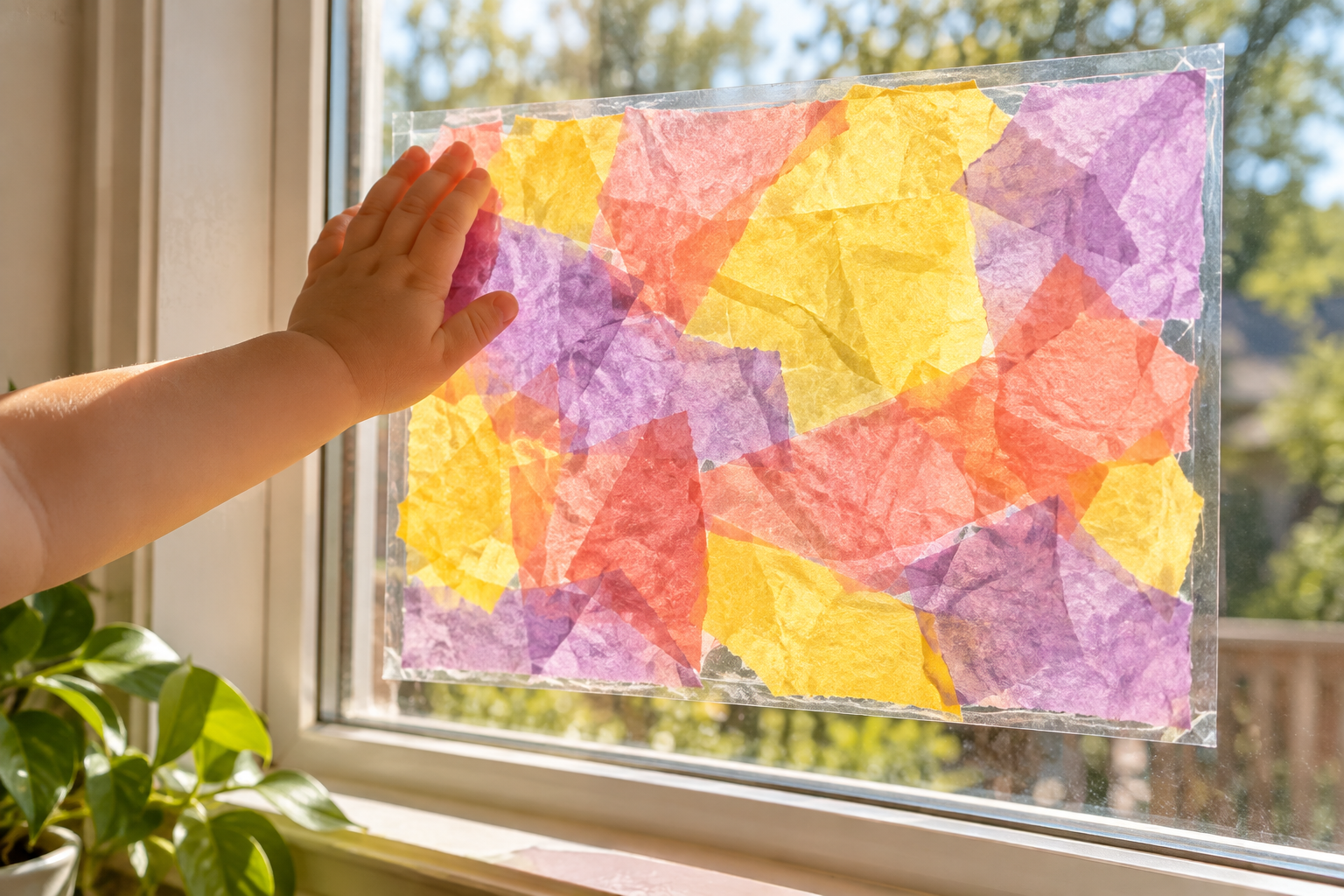
Keep the play food in the tote between sessions. If the boxes are in good shape, they can wait on the floor for another day. If you want a quieter table craft next, try the tissue paper suncatcher with a window to display it.
Troubleshooting: real fixes
Boxes slide apart
Add tape along the outside seams and move the row against a wall. A nonslip rug beneath them can help on a smooth floor.
Shelves tip when reached into
Use wider, heavier boxes and keep the groceries light. Move everything to floor level and remove any box that cannot stay steady.
The shop becomes a dumping game
Offer fewer items. Put five groceries in the tote, let your child restock them, and save the rest for a later round.
Tape peels off cardboard
Wipe dusty box surfaces first and press the tape along several inches of each seam. Replace torn cardboard instead of building up a thick wad of tape.
Three easy variations
Bakery morning
Stock only fabric bread, a few empty bakery cartons and a tote. Your toddler can take orders from the sofa and deliver the same loaf on repeat.
Produce stand
Use large wooden fruits and vegetables in two boxes. Ask your child which item they would like you to bring home, then accept the mystery selection.
One-box version
Set one sturdy box on its side and place the tote beside it. This is enough for a younger toddler or a room without space for three shelves.

A quick safety note
Frequently asked questions
How do you make a grocery store out of cardboard boxes?
Turn sturdy boxes onto their sides so their openings face your child, then tape them together along the outside seams at floor level. Add a few large pieces of pretend food and a cloth shopping bag. Skip tall stacks and complicated cutting.
What can toddlers use as pretend groceries?
Large washable toy foods, fabric foods and clean empty cartons all work. Choose pieces too large to fit in a young child’s mouth, and remove loose caps or plastic packaging. A tote makes even six items feel like a real shopping trip.
Do I need a pretend cash register?
No. The central game is choosing, carrying, handing over and putting things back. If an older child asks for checkout, they can say “beep” while you pack the tote.
How do I stop the cardboard shelves tipping?
Keep every box on the floor and place the row against a wall. Use boxes with wide bases, light toys and secure outside seams. If a box still tips when your child reaches in, remove it.
How long can I keep the cardboard store?
Keep it while the boxes are dry, sturdy and clean. Recycle them when corners crush, tape fails or the cardboard becomes damp. The food toys and tote can stay in your regular toy storage.
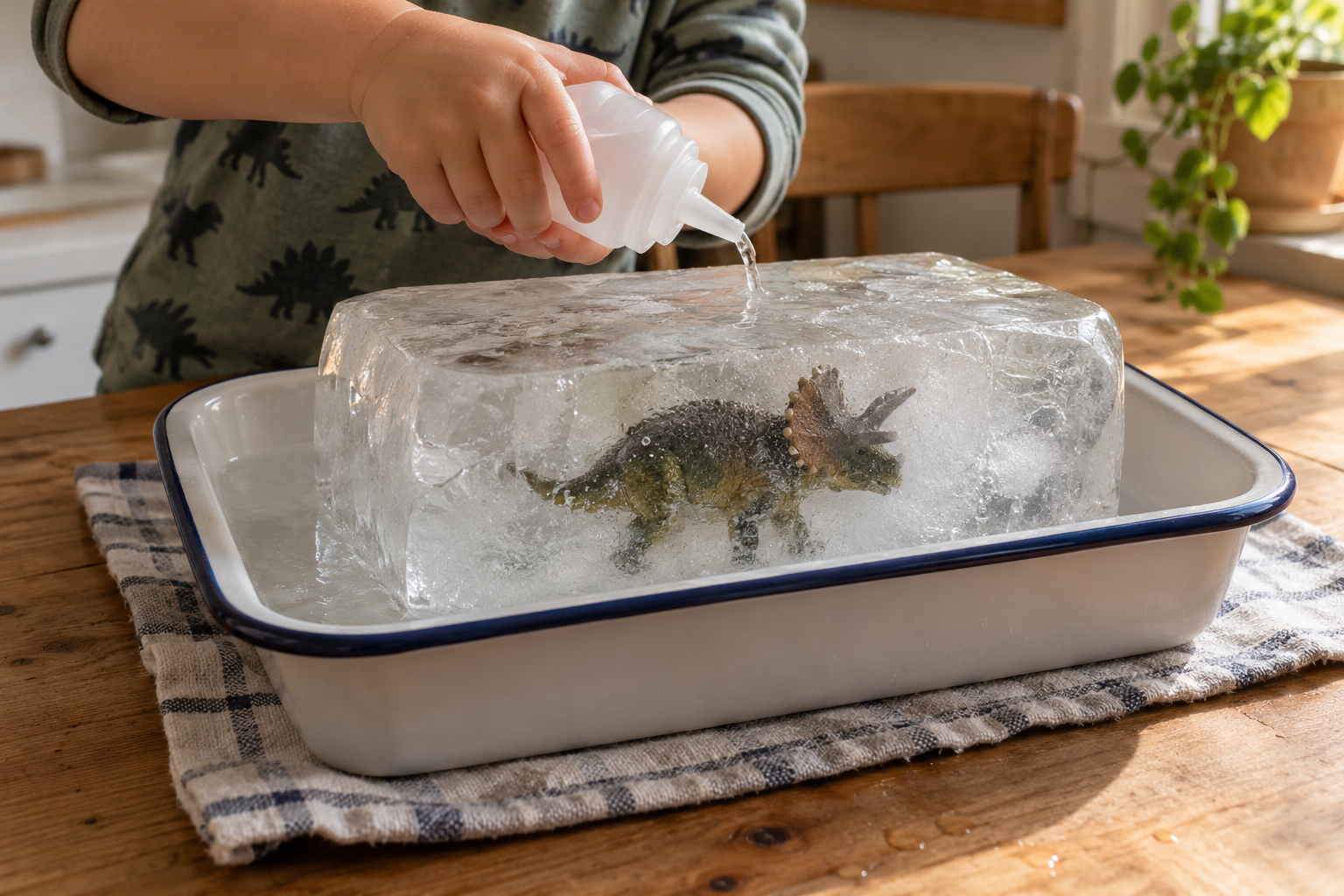
When your child wants a completely different texture and goal, the frozen dinosaur ice rescue moves the play to a water tray.

Leave a Reply